

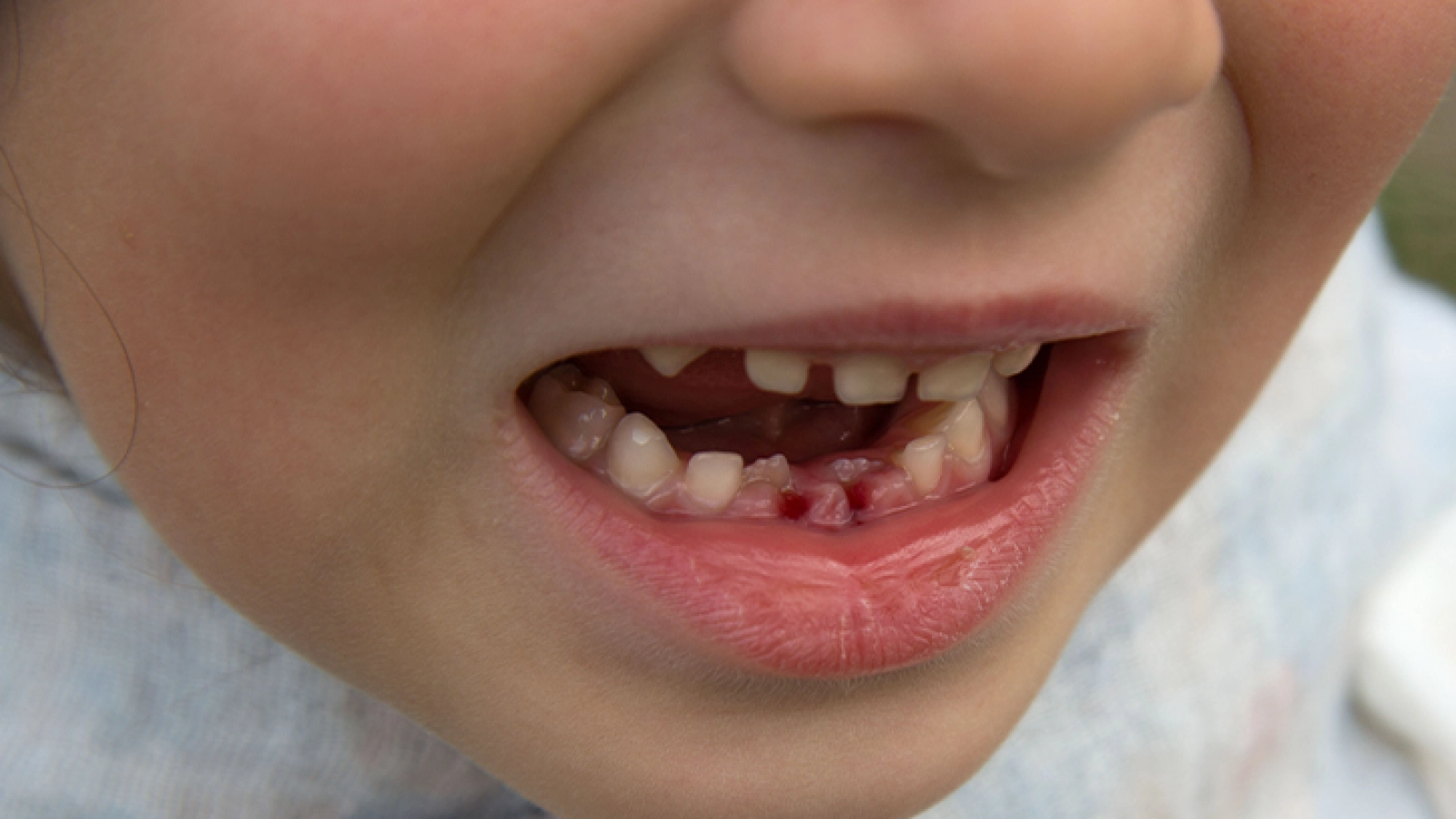
Baby teeth are one of the aww moments we enjoy during our kids’ childhood. The sooner they fall out, the happier we are to see the permanent teeth arrive. But do you know how important they are before the adult teeth come?
Why are baby teeth important? They help with chewing and nutrition, speech development, space maintenance for adult teeth, jaw and facial structure, general health and pain prevention, and social confidence. Also, they maintain the necessary space for permanent teeth to come in the correct positions and alignment.
Did you know baby teeth are more vulnerable to cavities, infections, and other dental problems than permanent teeth? These issues can cause pain, affect eating habits, and impact the development and health of permanent teeth.
What Are Baby Teeth and When Do They Appear?
Baby teeth are the first set of teeth, also known as milk or primary teeth. They help with chewing, speaking, and maintaining space for permanent teeth. The first tooth develops around six months, but this can vary from child to child. Generally, 20 are developed, 10 above and 10 below. These teeth fall out and are replaced from the age of six to 12 or 13.
Every oral stage is important for overall oral health. This stage helps in proper chewing, speech development, and jaw growth, setting the jaws up for permanent teeth.
Five Important Reasons Why Baby Teeth Matter
Help Children Chew Food Properly
It helps children bite and chew different foods comfortably. Missing, damaged, or painful teeth can affect chewing certain foods. Healthy baby teeth break down food and strengthen muscle and jaw development.
Support Speech Development
When baby teeth develop, together with the tongue, they create sounds during speech. They provide essential physical contact points and structural support for the tongue, lips, and jaw. This helps them to articulate consonant sounds clearly. Here, missed or damaged teeth can affect how they produce certain sounds and influence their speech development.
Maintain Space for Permanent Teeth
Baby teeth often act as natural space holders for permanent teeth developing underneath. Their arrival and fallout guide adult teeth to emerge in the correct position. Losing them too early can cause the nearby teeth to shift into the space. This can cause crowding, spacing, and alignment problems. They act as natural placeholders, prevent neighbouring teeth from shifting, control vertical eruption, preserve arch width, and guide the path of the adult tooth.
Support Jaw and Facial Development
Baby teeth support a child’s normal oral development and jaw and facial structure growth. Proper biting and chewing help in proper development of oral functions and strengthen the muscles involved. Also, they stimulate jawbone and bone growth, maintain space for permanent teeth, shape the midface and bite, provide muscle and soft-tissue support, and prevent early shifting. So, maintaining their health supports natural oral development, preparing the spaces for permanent teeth.
Build Confidence in Children
Healthy baby teeth support self-esteem and confidence through clear communication and speech, social engagement and smiling, and comfort in daily interactions. Visible tooth damage, discolouration, or dental problems can make some children self-conscious about their appearance.
What Happens If Baby Teeth Are Not Properly Cared For?
Cavities and tooth decay, toothaches and infections, early tooth extraction, permanent teeth alignment problems, and difficulty with daily activities.
Cavities and tooth decay occur due to poor oral hygiene and buildup on baby teeth. This increases the risk of cavities and tooth decay. If you don’t treat them, the decay will go deep into the layers, causing toothaches and infections. The more severe the decay becomes, the more damage it causes. Only early tooth extraction can solve this. Losing baby teeth this way can cause permanent teeth alignment problems. All these issues can create difficulty with daily activities for babies such as eating, chewing, and sleeping. It can also affect their mood, concentration, and everyday activities.
Common Dental Problems in Baby Teeth
Common dental problems associated with baby teeth include tooth decay, dental cavities, gum problems, early tooth loss, and tooth sensitivity.
Tooth Decay
This happens when your child frequently consumes sugary foods and drinks and does not follow proper oral hygiene. Bacteria, sugar, and weaker tooth structure can cause tooth decay.
Dental Cavities
When bacteria and acids form, they gradually break down the enamel, creating small holes in the teeth. These holes are cavities. They form in three steps. First, the sugar and bacteria produce strong acids. Next, within 20 minutes, these acids attack the enamel. Last, if your teeth are exposed to sugar and acid throughout the day, your enamel will lose minerals fast, leaving a permanent hole or cavity.
Baby teeth are more vulnerable to cavities because they have thinner enamel and reduced saliva during sleep.
Gum Problems
Bacteria, diet, and oral habits cause redness, swelling, bleeding (gingivitis), and tender irritation. Plaque and bacterial buildup, sugary diets and bedtime bottles, bacterial transmission, mouth breathing, teething vs. gum inflammation, and rough brushing or injury are some causes. You can prevent these issues by cleaning gums early, brushing twice daily, avoiding bedtime bottles, and scheduling an early dental visit.
Early Tooth Loss
This can happen due to severe tooth decay, dental infections, or accidental injuries. Severe tooth decay and cavities, dental trauma or injury, gum disease, orthodontic and spacing pressures, and underlying medical or metabolic conditions are some common causes.
When your child loses their baby teeth too soon, it leads to crowding, blocked adult teeth, or severe bite misalignments when the permanent teeth emerge.
Tooth Sensitivity
If your child feels extreme discomfort or pain with hot, cold, or sweet foods and drinks, it could be because of enamel damage, cavities, or other dental issues. Some common causes include cavities and tooth decay, thinner natural enamel, aggressive or hard brushing, natural eruption and loss of baby teeth, teeth grinding (bruxism), dental trauma or chips, and acidic diets. You can prevent it with gentle brushing, kid-safe oral care, limiting acidic and sugary foods, and consulting a pediatric dentist.
How Can Parents Take Care of Their Child’s Baby Teeth?
- Clean Your Baby’s Mouth Early – Clean your baby’s gums with a clean, soft, damp cloth before the first tooth. This creates an early oral hygiene routine.
- Brush Twice a Day – Gently clean your child’s first tooth with a soft-bristled, age-appropriate toothbrush, especially before bedtime.
- Use Fluoride Toothpaste – If your child is between three and six, use a smear of fluoride toothpaste under three and a pea-sized amount.
- Limit Sugary Foods and Drinks – Reduce sweets, chocolates, sugary snacks, and sweetened beverages. This reduces the risk of tooth decay.
- Avoid Bedtime Bottles – Do not send your child to bed with a bottle of milk, formula, juice, or other sugary drinks. The longer they drink them, the higher the risk of tooth decay.
- Encourage Healthy Eating Habits – Fruits, vegetables, dairy products, and other nutritious foods support overall healthy teeth and overall development.
- Schedule Regular Dental Check-Ups – Regular dental visits help in monitoring tooth development, identifying early signs of decay, and addressing potential dental problems.
Conclusion
By now, you might have clarity on the importance of baby teeth: chewing food, developing clear speech, supporting jaw growth, and maintaining space for permanent teeth to emerge – basically, acting as the foundation for healthy permanent teeth. So, dear parents, proper oral hygiene is a must even before the first tooth. Encourage them to brush twice a day, follow healthy eating habits, and attend regular dental check-ups. This saves their baby teeth from dental issues and sets their mouth up for impending permanent teeth.
If you’re looking for the perfect dental clinic for your baby’s first tooth, here’s one. Dr Bobby’s Dental Clinic, the best dental clinic in Kadavanthra, offers child-friendly dental care and guidance on children’s oral health and healthy dental habits from the start. Call us at +91 8078961573 or visit our Kadavanthra clinic.