Common Dental Problems in Children

Common Dental Problems in Children and How to Prevent Them

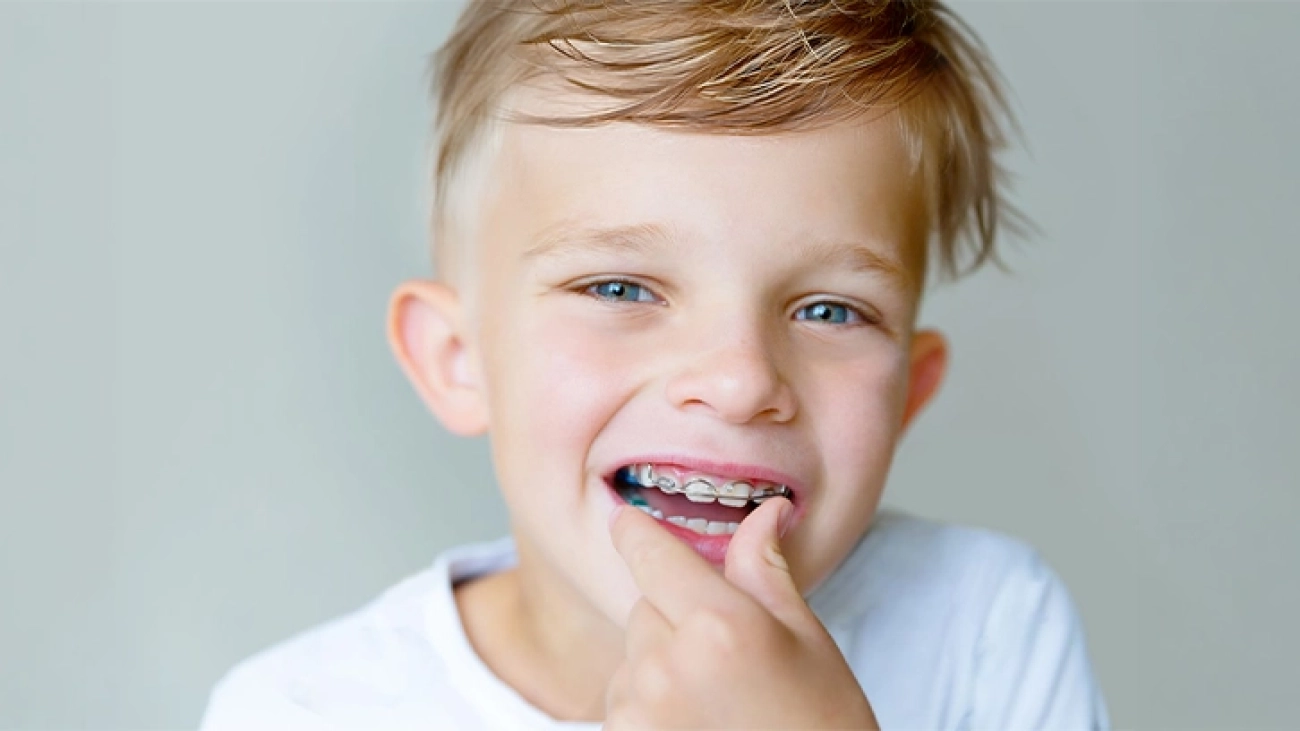
We often say childhood is the golden era. We have all the fun we want and let our parents handle the rest. But little do we know that all the sugary foods, poor brushing, and thumb sucking during the teeth-developing stage can create common dental problems in children like cavities, tooth sensitivity, bad breath and other problems. 

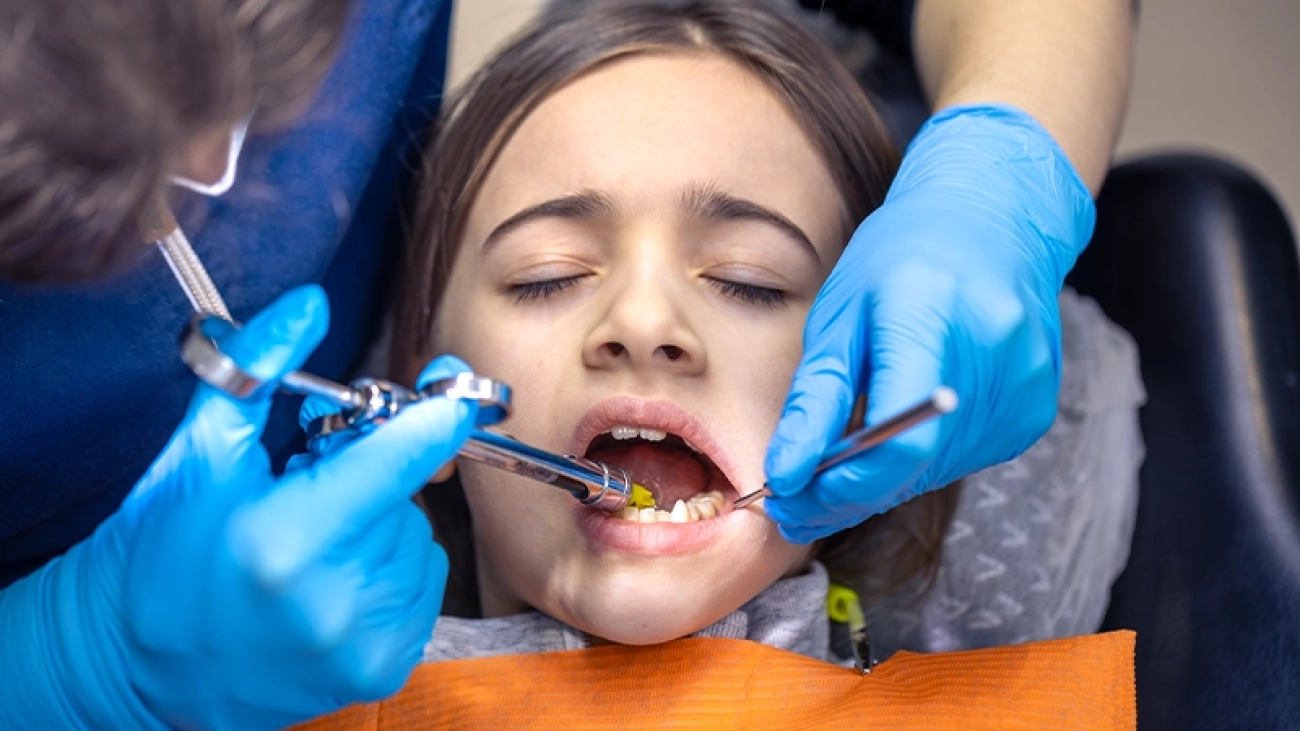
‘Why do children need early pediatric oral health prevention?’ is a common doubt new parents have during their kid’s childhood. Well, teeth removal isn’t the only dental care your child needs. A regular early dental check-up can help identify potential dental issues caused by daily habits or genetics. 

Basic hygienic habits, such as brushing, flossing, a balanced diet, and routine dental check-ups, will protect your oral health for a long period. 

Tooth Decay and Cavities in Children

Cavities result from plaque buildup caused by sweets, improper brushing habits, and frequent snacking. The bacteria in the plaque buildup create enamel-damaging acids. Leaving them untreated could result in pain, infection, eating difficulty, speech problems, and premature loss of milk teeth, which affects the permanent teeth’s development. 

Some symptoms of tooth decay include tooth pain, sensitivity, visible holes or dark spots on teeth, bad breath, and chewing difficulty. 

Using fluoride toothpaste to brush twice, reducing sugary snacks and drinks intake, following a balanced diet, and scheduling routine dental check-ups with a pediatric dentist Kochi are basic preventive measures you can follow. 

Gum Problems in Children

The most common gum problem for children is Gingivitis or early gum inflammation. The causes include poor brushing and flossing, sugary foods, breathing through the mouth, orthodontic appliances, and poor nutrition. All these poor hygienic practices contribute highly to gum issues. 

You can spot gum problems through bleeding gums while brushing or eating, redness, swelling, bad breath, gum tenderness, or gum recession. 

Regular two-time brushing, flossing, and following a balanced, low-sugar diet will maintain your gum health. 

Orthodontic Issues in Children

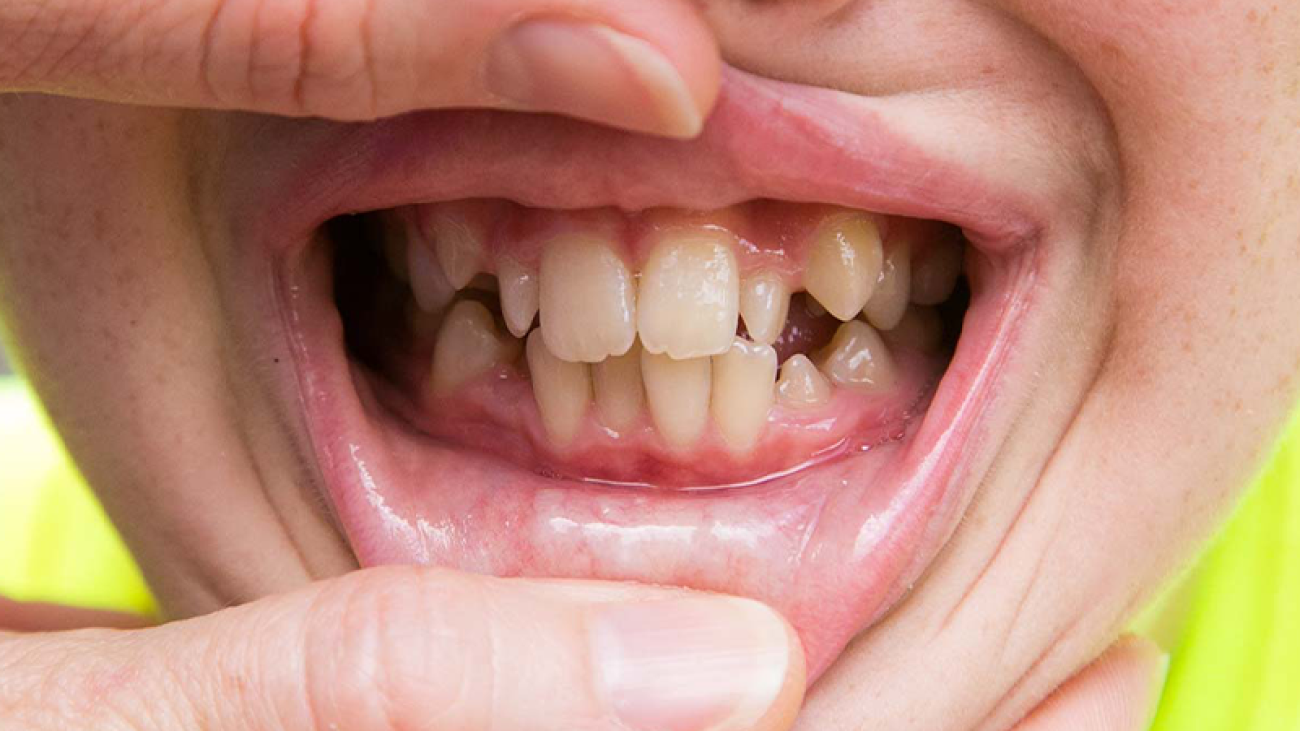
Crooked teeth, crowding, gaps, overbite, underbite, crossbite, and jaw alignment are the potential orthodontic issues in children. The reasons could be genetics, milk tooth loss at a premature stage, delayed tooth eruption, or a lack of jaw space. 

Oral habits can create jaw growth and tooth positioning, which could cause bite issues. If your child does thumb sucking, tongue thrusting, and depends on a pacifier for a prolonged time period. 

An early orthodontic check-up by the best orthodontist in Kochi will help you identify the triggering factors for orthodontic issues and give you the necessary guidance. 

Tooth Sensitivity and Enamel Damage

Poor brushing habits, triggering foods (sugary snacks, acidic drinks, and sticky candies), and daily habits such as teeth grinding, nail biting, and harsh brushing create tooth sensitivity and enamel damage. All these traumas expose the nerves underneath and make it hard to eat hot or cold foods and drinks. 

Effective pediatric oral health prevention measures include daily brushing with fluoride toothpaste and a soft-bristle toothbrush, reducing sugary and acidic foods, and following routine dental check-ups.

Teeth Grinding (Bruxism)

Teeth grinding, also known as bruxism, is something we do unconsciously. When children feel stressed, anxious, or experience other emotional changes, misalignment, sleep issues, or other peculiar habits, it can cause teeth grinding. 

Parents, you should check whether your child is grinding or clenching their teeth while sleeping, complaining of jaw pain, headaches, or tooth sensitivity, or has any worn, flattened, or chipped teeth over time. 

Teeth grinding causes: enamel wear, teeth sensitivity, jaw discomfort, muscle strain, and other jaw joint function problems. 

This can be treated in three ways: setting up a calm bedtime routine and healthy habits, consulting the best dental clinic Kochi, and wearing a night guard if your pediatric dentist prescribes one. 

Bad Breath and Poor Oral Hygiene in Children

Improper brushing habits, food particles trapped between teeth, dry mouth, cavities, and the accumulated tongue bacteria are the major issues that create bad breath for children. 

Now, if you are thinking, why is oral hygiene an important concern this early? It is because, just like adults, children also have the risk of tooth decay, gum problems, and foul odour. 

Some warnings to look out for are bad breath, yellow plaque buildup, bleeding gums, cavities, tooth sensitivity, and being hesitant to brush daily. 

Basic oral health practices will keep your oral health on top in the long term. These include daily brushing, tongue cleaning, flossing, drinking water, and routine check-ups.

Healthy Habits for Better Oral Health

The pediatric dentist Kochi recommends these basic oral habits for your kids’ better oral hygiene: 

  1. Brush the teeth twice a day with fluoride toothpaste and a soft-bristle brush. Also, regularly floss the teeth to prevent plaque, cavities, and gum disease. 
  1. Include a balanced diet consisting of fruits and vegetables that are low in sugar but high in calcium. 
  1. Systematically follow the check-ups for pediatric oral health prevention. These check-ups will spot potential oral issues and maintain hygiene through professional cleaning. 
  1. Follow the basic oral habits, such as drinking enough water, changing toothbrush periodically, and other habits. 

FAQs

Cavities, tooth decay, gum problems, and misaligned teeth are the most common dental issues in children. These could be caused by poor oral hygiene and sugary foods. 

The signs include tooth pain, sensitivity, bleeding gums, bad breath, and difficulty chewing. Other signs could be white or brown spots on teeth, which may also signal early decay.

Foods rich in calcium and vitamins, like milk, cheese, fruits, vegetables, and nuts, help strengthen teeth. Reducing sugary snacks and drinks also maintains oral health.

Yes, untreated cavities in baby teeth can spread infection and affect the development of permanent teeth. Treating them early guarantees a future with good oral health.

Every 6 months is an ideal time period for routine pediatric check-ups and cleanings. Regular visits help detect and prevent dental problems early.

children crooked teeth treatment

How to Fix Crooked Teeth in Children?

Crooked teeth, a type of malocclusion, is the condition where teeth are misaligned in the mouth. In such a state, teeth can appear rotated, tilted, overcrowded, or overlapped, which make the smile asymmetrical. 

Fixing misaligned teeth at an early age is important because it prevents problems from becoming serious in the future. Early identification and treatment help to align the teeth properly, which promote effective chewing and reduce the likelihood of suffering from TMJ disorder. Moreover, they ensure there are no bad breath and speech difficulties.  

The blog discusses children crooked teeth treatment, including its signs, causes, and how to fix it.  

Causes of crooked teeth in children

Genetics is vital in tooth and jaw formation. As any other biological characteristics such as eye or hair color, teeth attributes are genetically transferred too. If one of the parents possesses smaller jaws and another possesses larger teeth, then the baby can inherit both. This leads to crowding and overlapping as there is not sufficient jaw space to align teeth properly.

Thumb sucking is an ordinary action among infants. When it goes past the age of four years, it may impact the formation of teeth and the jaw. Sucking the thumb places pressure on the upper jaw forcing it forward resulting in a misaligned jaw. This causes bite problems in the future. 

The baby teeth act as guides for the permanent teeth helping in guiding them in their correct place. In cases where a baby tooth comes off early because of problems like cavities and infections, then the neighboring tooth occupies its place. This makes it difficult for the permanent teeth to erupt as they do not get enough space, resulting in crookedness. 

Teeth misalignment is often a result of jaw development issues, leading to crooked teeth in children when there isn’t enough space for permanent teeth to grow properly.  

Signs your child has crooked teeth

Crowdedness or spacing between teeth is a sign of crooked teeth in children. If the mouth doesn’t have enough space for all the teeth, the teeth will be crooked. Gaps between teeth also indicate alignment issues. 

Your child may find it hard to eat certain types of food due to crooked teeth. The reason being that it becomes impossible for the upper and lower jaws to meet correctly when your child closes their mouth.

How to straighten slightly crooked teeth?

What will you do if you spot crooked teeth in your child? Always go to the dentist’s clinic and see how to fix crooked teeth in kids. If you take your kids for dental checkups at an early age, the dentist will easily track the development of your kids’ teeth and jaw alignment.

Treatment may not begin immediately after identifying the issue. After the child reaches a certain age, appliances or aligners can be used to treat slightly crooked teeth. When the problem is not too serious, these treatment methods can help in positioning the teeth to the right direction.

Some factors like sucking thumbs or tongue thrusting can lead to crooked teeth. When identified early enough, these factors can easily be corrected, making it possible for your teeth to become straight naturally.

Treatment options to straighten crooked teeth

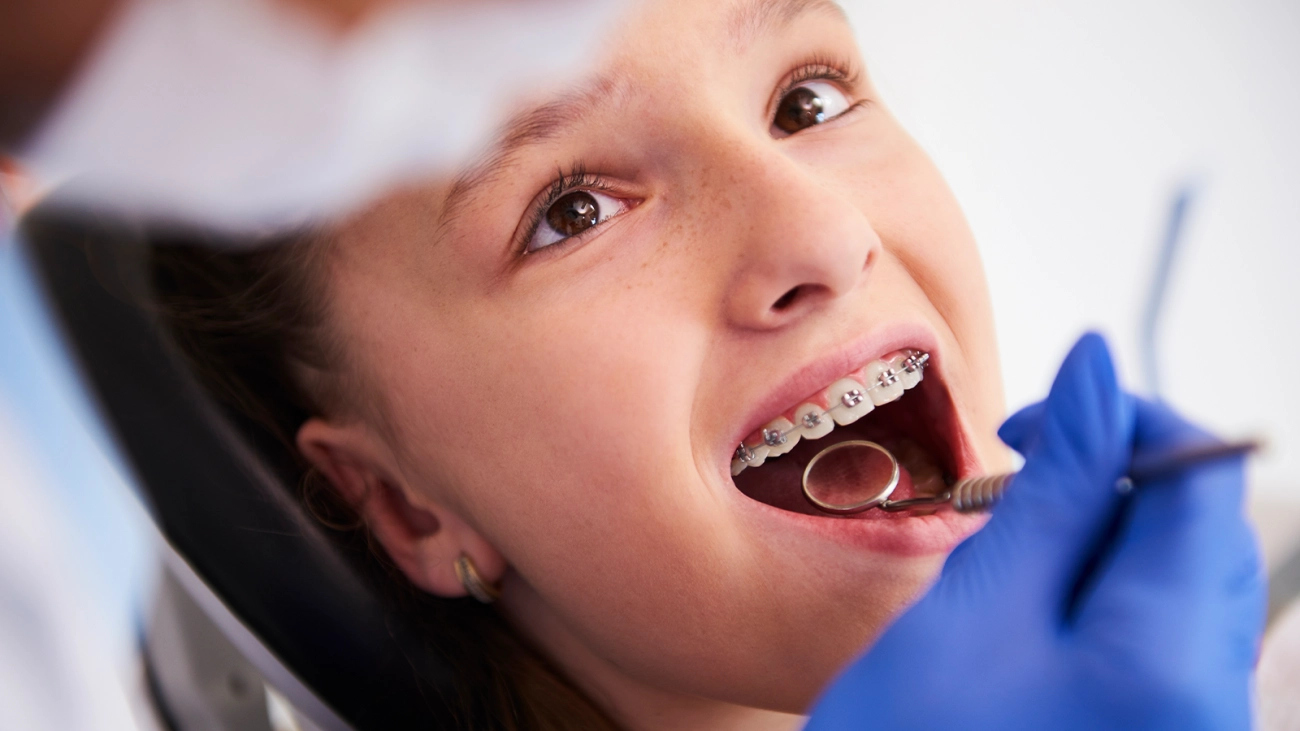
Braces is the most widely used technique in kids crooked teeth correction. The treatment can begin between the ages 9-14. The procedure involves the use of brackets and wires that help correct the teeth position. You can choose the best teeth braces based on your dental condition, comfort preferences, and the orthodontist’s recommendation . 

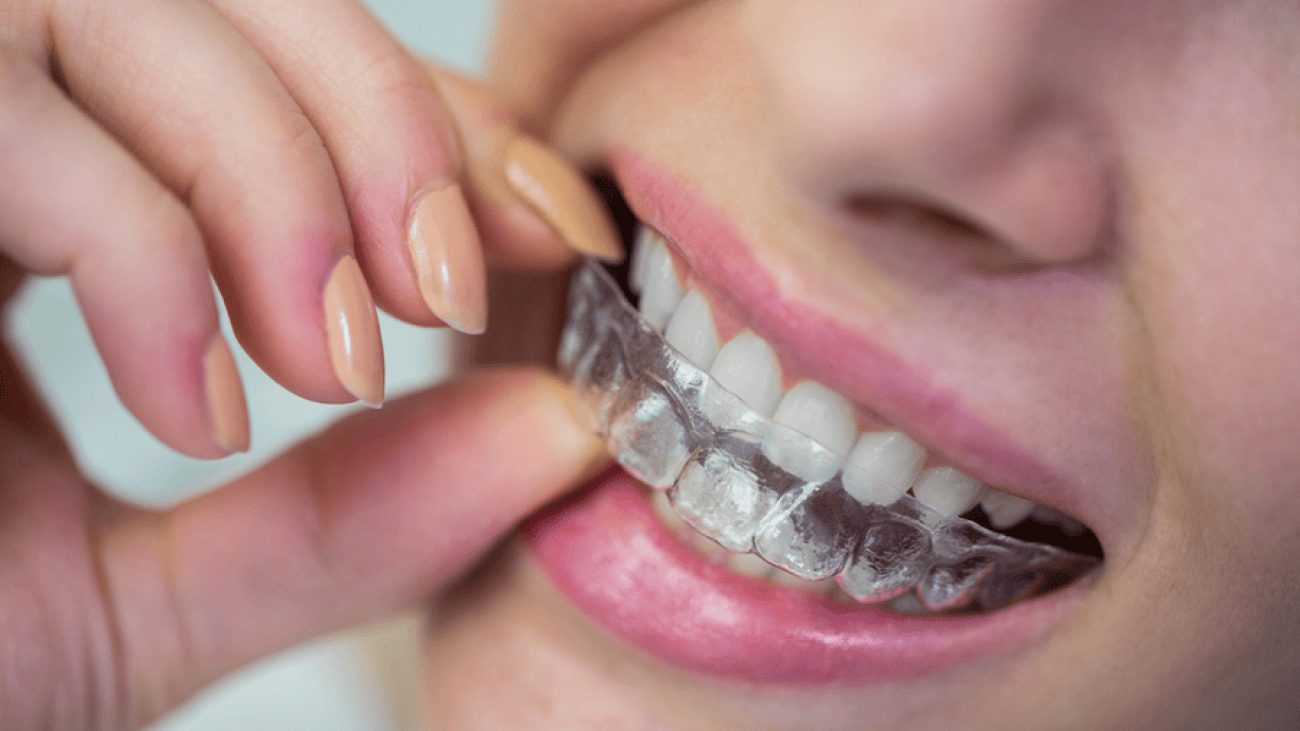
Clear aligners are transparent, removable trays used to shift teeth into position. As compared to braces, they are discreet and comfortable to wear. The best transparent aligners are a preferred choice for mild crooked teeth treatment. 

Space maintainers are used by children who lost their baby teeth early. They help to keep the space vacant for the permanent tooth by preventing the adjacent tooth from moving into the position.

How to get teeth straightened & when to start treatment?

You can get your child’s teeth straightened by visiting a pediatric dentist or an orthodontist. They specialize in the care of children’s dental health and can easily recognize crooked teeth. Frequent visits will be able to evaluate teeth and the jaw and correct any problems that arise.

In case there are any problems with teeth alignment, the dentist will refer your child to an orthodontist. Orthodontists specialize in teeth straightening and correction of jaw alignments by using orthodontist treatments such as braces or aligners.

Choose a clinic with vast experience of treating children. A child-friendly clinic with expert staff helps make the process easier on kids.

The first treatment procedure should begin at the age of 6-7. At this age, both baby and permanent teeth are present. It makes the job of the doctor easier in detecting issues.

Regular dental checkups help detect issues early and determine the appropriate children crooked teeth treatment. If mild cases are identified early, the doctor can prevent them from getting severe. 

Crooked teeth treatment may not begin immediately after identifying the issue. Treatment time is decided based on the child’s jaw growth and tooth development. Treatment starts only after monitoring the condition. 

Identifying the issue early and starting the treatment will ensure proper jaw growth, avoid overcrowding and prevent the need for complex procedures. 

The blog discusses how to fix crooked teeth in kids. The earlier you consult a doctor, the less complex the treatment will be. Timely care and proper treatment are important to ensure good results. Straightening crooked teeth at an early age offers numerous benefits such as speech development, bite correction etc. 

Dr Bobby’s Pediatric Dental Clinic offers a patient friendly atmosphere with quality treatment for almost all dental issues including straightening crooked teeth. Contact us for all your dental problems. 

FAQs

Slightly crooked teeth in children can often be corrected with early orthodontic treatments like removable aligners, space maintainers, or simple braces. A dentist can suggest the best option based on the child’s age and severity. 

The first orthodontic evaluation is usually recommended around age 6–7, when permanent teeth start coming in. Early assessment helps detect issues and plan treatment at the right time. However, actual treatment may begin later depending on tooth and jaw development. 

The best treatment depends on the child’s condition, but common options include braces, clear aligners, or growth-modifying appliances. For mild cases, early intervention may reduce the need for complex treatment later.  

Crooked teeth can sometimes lead to difficulty in cleaning, increasing the risk of cavities and gum problems. They may also affect speech, chewing, or self-confidence in some children. Early treatment can help prevent these issues.

Straightening teeth is not usually painful, but children may feel mild discomfort or pressure when braces or aligners are adjusted. This discomfort typically lasts only a few days and is manageable. 

Dental Braces treatment

Braces for Kids: Which Type is Right for Your Child?

Dental braces or Orthodontic braces is a common trend amongst children, youngsters and middle aged people as well. Today’s blog is mainly on how can your child’s crooked teeth or teeth with gaps be corrected with braces and other related matters.

Many of my known contacts ask me “ What is the right age to start braces therapy?”. Actually age is not the right criteria rather it is if the right set of teeth are present. Likewise for each kind of treatment a certain set of teeth must be present for the treatment. Usually all permanent teeth except the wisdom teeth (third molars) must be present for commencing treatment.

How Does Braces Work ?

Braces mainly work by moving teeth. Normal conventional braces are present on your teeth 24*7 So continuous force is applied on your teeth which makes it move. Nowadays aligners are also used which must be in the mouth for at least 22 hours daily.

So basically the tooth moves from one position to a new position and the surrounding bone and gums remodel to adapt to the new position.

Types of Dental Braces for Kids

Here is a small description on the different types of Dental Braces, along with pros and cons of the different types listed below.

  • Metal Braces : Metal braces are a common orthodontic treatment used to straighten misaligned teeth. It consists of metal brackets attached to the teeth and a wire passes through the brackets to hold the braces together.
dental braces
dental braces
  • Ceramic Braces : Ceramic braces or clear braces serve as an alternative to traditional braces. They are less noticeable due to their tooth-coloured or clear appearance. This is a better option for people with metal allergies.
  • Self-Ligating Braces : Self ligating braces are a type of orthodontic treatment that holds the archwire using an internal mechanism instead of traditional elastic bands or metal ties. They only require a shorter treatment time and are more comfortable for patients.
dental braces
dental braces
  • Lingual Braces : Lingual braces, known as hidden braces, are a type of orthodontic treatment that works like traditional braces but are placed on the inside of the teeth, behind them. They are virtually invisible and can be customized based on your needs.
  • Clear Aligners : Clear aligners, also known as invisible braces, are transparent, removable dental appliances used to straighten teeth. They are made from clear, medical-grade plastic and can be customized to fit your teeth.
dental braces
Types of Braces Pros Cons
Metal Braces (Fig1) Strength is high Unaesthetic
Self Ligating Braces (Fig3) Comfortable, less friction involved so some claim faster treatment Expensive than normal braces
Lingual Braces (Fig4) Aesthetic and invisible Speech can get affected as braces are placed on the tooth surface facing the tongue. Expensive compared to above.
Clear Aligners (Fig5) 1)Aesthetic, transparent and invisible.
2) No Diet restrictions compared to above
1) As it is removable, patients must be very disciplined in its use and wear otherwise treatment results will be affected.
2) Expensive

What to Expect When Getting Braces for Kids?

After getting braces, after care or home care is very important.

For normal braces, Diet restriction is a must. Patients must not have hard food items like nuts, hard snacks, chicken bones.Chances of gum or lip trauma can happen. Orthodontists will prescribe ulcer healing gel or orthodontic wax for added protection.Proper oral hygiene is a must during orthodontic treatment with orthodontic toothbrush, mouthwash, fluoride toothpaste.

To conclude, there are many options available for braces treatment nowadays. It is a collective decision taken by the Orthodontist, parent and child patient after assessing the patient photos, tooth models and radiographs. Proper treatment planning and discussion is a necessity. Choosing the Best Dental Clinic is crucial for ensuring that your child receives expert care and personalized treatment, making the entire braces process smoother and more effective.

FAQ

  • Are metal braces the only option for young kids?

No, many other options are available like ceramic braces and aligners which are also equally effective for kids.

  • Are braces painful for Kids?

Pain is the same for any age group. It also depends from patient to patient. Some don’t have any pain issue from day 1, some always have pain. Pain perception is a very important factor here.

  • Can braces change face shape?

Braces dont change face shape, in fact when treated properly it beautifies your looks and smile. Proper treatment planning is a must. Treatment involving removal of teeth can change the face profile.

  • Which type of braces are the best for kids?

It all depends on the patient’s comfort, ability to accept diet restriction, availability of the child for monthly checkups. Comfortable options include Clear Aligners. But always remember aligners must be worn 22 hours daily for its effective action.

  • How many years do braces take?

 Braces therapy depends on severity of the correction needed. It ranges from 6 months to 2 years. Treatment involving tooth removal usually takes 1.5 years to 2 years. Patient

cooperation is a must for finishing the treatment on time otherwise the treatment can prolong.

Clear aligner

What Are The Differences Between Retainers And Clear Aligners?

Clear aligner and Clear Retainers look very similar but the difference is in its purpose and its thickness. The purpose of Clear aligners is to align teeth while Clear retainers are for retaining or stabilising the corrected teeth. Clear retainers are thicker in material.

Retainers for teeth are worn mainly to “retain” the position of teeth as they are corrected after Orthodontic therapy or to prevent further proclination of teeth. The 2 basic designs are

1) With metal wire and plate (Hawley’s retainer: Fig 1), Begg retainer

 2) Clear retainers are transparent plastic retainers also known as Clear Essix retainers

Hawley’s retainer
Clear aligner

 What are Retainers?

Retainers after braces work by holding the teeth in place. It is prescribed for the duration of the retention phase by your Orthodontist (depending on the type of  Orthodontic correction)

The other classification of retainers are:

  • Fixed or permanent retainers: Fixed retainers are wires bonded behind your front teeth( 4-6 teeth). They are called permanent because, in some conditions, they are permanently bonded to teeth. But there is nothing to worry about because they won’t cause any irritation or pain. 
dental Braces
  • Removable retainers: As the name suggests, these types of retainers can be removed. Removable retainers are Hawley’s retainer, Begg’s retainer, Clear retainer,etc.

For further clarification, feel free to visit Dr. Bobby’s Orthodontics & Dental Specialty Care for your orthodontist consultation.

If you ask me the best retainers after orthodontic therapy, I would say they are the removable retainers with plate and wires( Hawley’s retainer or Begg’s wrap-around retainers). It is mainly because they are more durable. Along with fixed retainers, you can wear them only at night.

Difference between Clear Aligners and Retainers

Clear aligners are invisible braces which help align your teeth, They are transparent( aesthetic), removable, and comfortable. Many people get confused between clear aligner and clear retainer. That is not very surprising because it looks very similar. But once you have a feel of it or wear it, you will realise the difference. As mentioned earlier, Clear retainers are very thick and hard whereas Clear aligners are thin and very flexible.

Maintenance or cleaning of aligners and retainers are similar. After removing it, clean it with a separate toothbrush and soap (some companies provide aligner cleaning foam). After cleaning it, wash it properly and wear it. Always remember to clean it daily.

I hope the common misconceptions regarding Clear retainers and aligners have been cleared. Mainly the material, thickness and flexibility are the major differences. Always consult the best dental clinic, so that you can get a better understanding of clear retainers and clear aligners. 

Commonly asked Questions

  • Can you straighten teeth with just a retainer?

Certain minor gaps(less than 1mm) can be corrected with removable retainers like Hawley’s retainer and it should be worn full time. Clear retainers cannot help correct minor gaps. Retainers cannot help straighten teeth as they are removable and a constant continuous force is required to correct malpositioned teeth which is not possible with retainers.

  • Is it compulsory to wear a retainer after treatment?

Yes, an old age rule or Newton’s Law applies here. For every action, there is an equal and opposite reaction. Our body tissues (like gums or bone) around teeth tend to go back to their old state and they pull the teeth back to that old position. This is exactly why we have to use retainers after orthodontic treatment. In our body any sort of cosmetic treatment also comes with measures to retain the cosmetic change. Likewise, Orthodontic therapy is also a cosmetic treatment and measures need to be taken to retain the correction obtained by it. Hence retainers are very important.

  • Can I use my aligner as a retainer?

 A very common doubt. It can be used for a brief period, but clear aligners tend to discolour after 14 days, whereas clear retainers do not discolour very easily and are more durable. So clear aligners cannot be used as a retainer for a long time.

  • Is a Clear retainer the same as Clear Aligner braces?  

Clear retainer is different from clear aligner. The purpose of Clear aligners is to align teeth while Clear retainers are for retaining or stabilising the corrected teeth. Clear retainers are thicker in material. Also Clear retainer cost around Rs 5000/- onwards, whereas Clear Aligners cost around Rs 60,000/- onwards ( depends on the lab and materials cost and treatment duration)

Teeth Whitening after care

Important Tips for Teeth Whitening Aftercare

Teeth whitening is a common trend nowadays, primarily because we are more socially involved and we smile a lot. So we are all concerned about our tooth colour. In the previous blog we had mentioned in detail about the process of teeth whitening.

For a detailed look at all the benefits, please refer to our blog: “Everything You Should Know About Teeth Whitening: Benefits and Risks

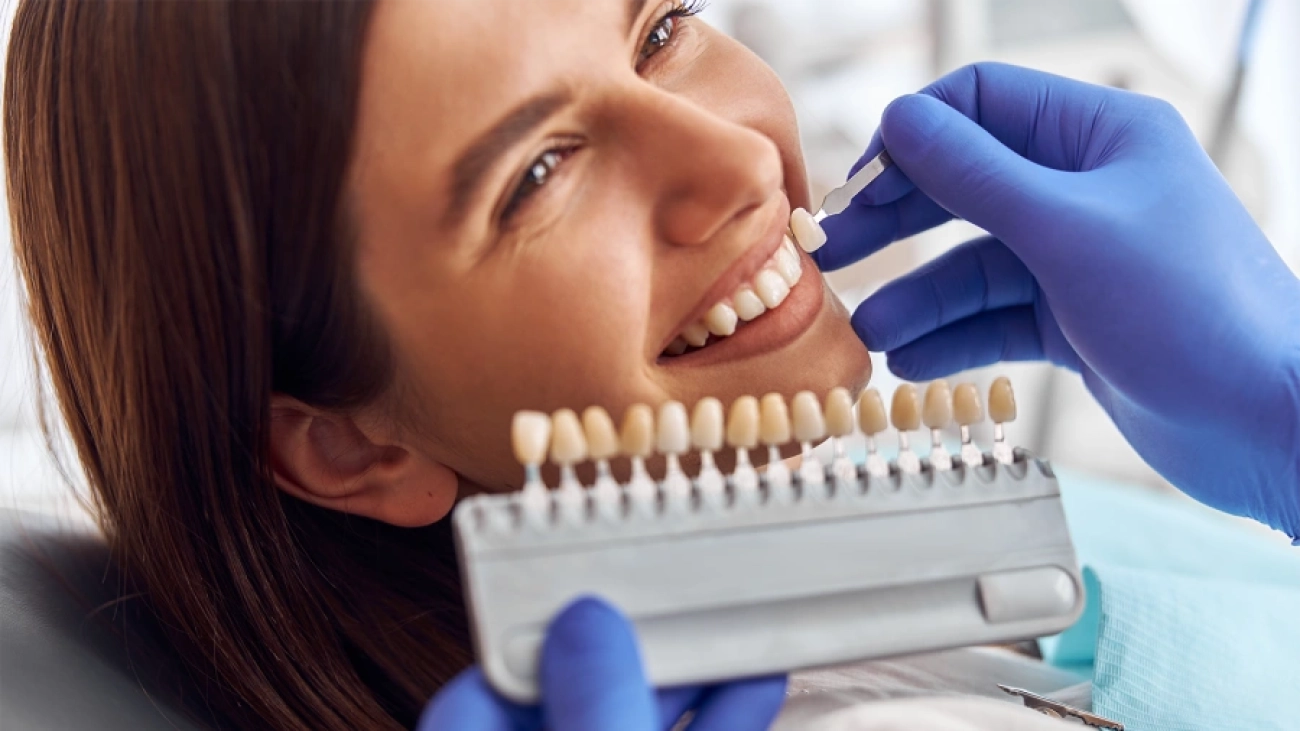
In this blog, I will highlight the after care of teeth whitening. What is the need for teeth whitening after care? If that is the doubt, it is mainly because Teeth whitening is not a permanent treatment, it is temporary and depending on your teeth texture, your teeth can get stained easily because of artificial colours in the foods and drinks we have nowadays. 

The First 24 Hours after teeth whitening

The first 24 hours are very crucial in aftercare for teeth whitening because the tooth is very sensitive to temperature and stains.

  • Immediately after the procedure, do not eat or drink anything for the next 3 hours. So always remember to feed yourself before the procedure.
  • Avoid too hot or too cold foods or drinks for 24 hours after the procedure.

Dos After the Teeth Whitening Treatment

Drink lots of water and always keep wetting your teeth with your tongue so that your teeth remain hydrated. Remember, tooth sensitivity after teeth whitening is mainly due to tooth dehydration. You can minimize tooth sensitivity by following these steps. If tooth sensitivity is still bothering you, the usage of anti-sensitive toothpaste is recommended. Teeth whitening along with Laser can help reduce sensitivity.

While brushing your teeth, you can use normal white Toothpaste (not coloured tooth gel). 

Electric toothbrushes can be used. Having teeth whitening treatment doesn’t prevent you from using electric brushes. After 6 months, you can do home teeth bleaching with a tooth whitening booster kit (which you can avail of from your dentist).

Products to Avoid

  • Avoid tobacco usage completely for a few weeks to avoid staining teeth
  • Coloured mouthwash must be avoided. Try using clear coloured mouthwashes (like Freshclor)
  • Tooth powder must be completely avoided as it damages enamel.
  • Items to avoid for 1 week are carbonated beverages, alcohol, tea or coffee without milk, any food with artificial colours, red chilly, turmeric, and red sauces.

Teeth Whitening Treatment can be of full effect if the aftercare is done with utmost care. Or there is a change for uneven results. Usually, the effects of teeth whitening can last for 6 months but without proper aftercare, this period can be reduced. 

Common Questions Regarding After care of Teeth Whitening

  • Will my teeth be sensitive after whitening treatment?

Yes, sometimes teeth can be sensitive but the reason is mainly due to tooth dehydration. Always keep wetting your teeth with your tongue so that your teeth remain hydrated and drink lots of water. If tooth sensitivity is still bothering you, the usage of anti-sensitive toothpaste is recommended.

  • How long after teeth whitening can I eat normally?

After 3 hours of the treatment, you can eat and drink avoiding stained food items and drinks. So always remember to feed yourself before the procedure.

  • Is oil pulling safe after whitening?

Yes, Oil pulling is safe after the teeth whitening treatment, But after the treatment should wait and resume it after 1 week. Also, You can use clear-coloured oil.

  • What to do if I notice uneven whitening?

After the treatment Uneven whitening does not occur. So it is unlikely you might notice an uneven colour. Before teeth whitening, a proper diagnosis and treatment plan must be done with the best dental clinic in Kochi, for proper and effective teeth whitening.

  • How much would it cost for teeth whitening treatment?

It is purely depending on the materials used and expertise, teeth whitening can cost around INR 10,000 onwards and upwards. Need to keep in mind the cost can also be affected depending on the patient’s teeth situation and colour gradient.