
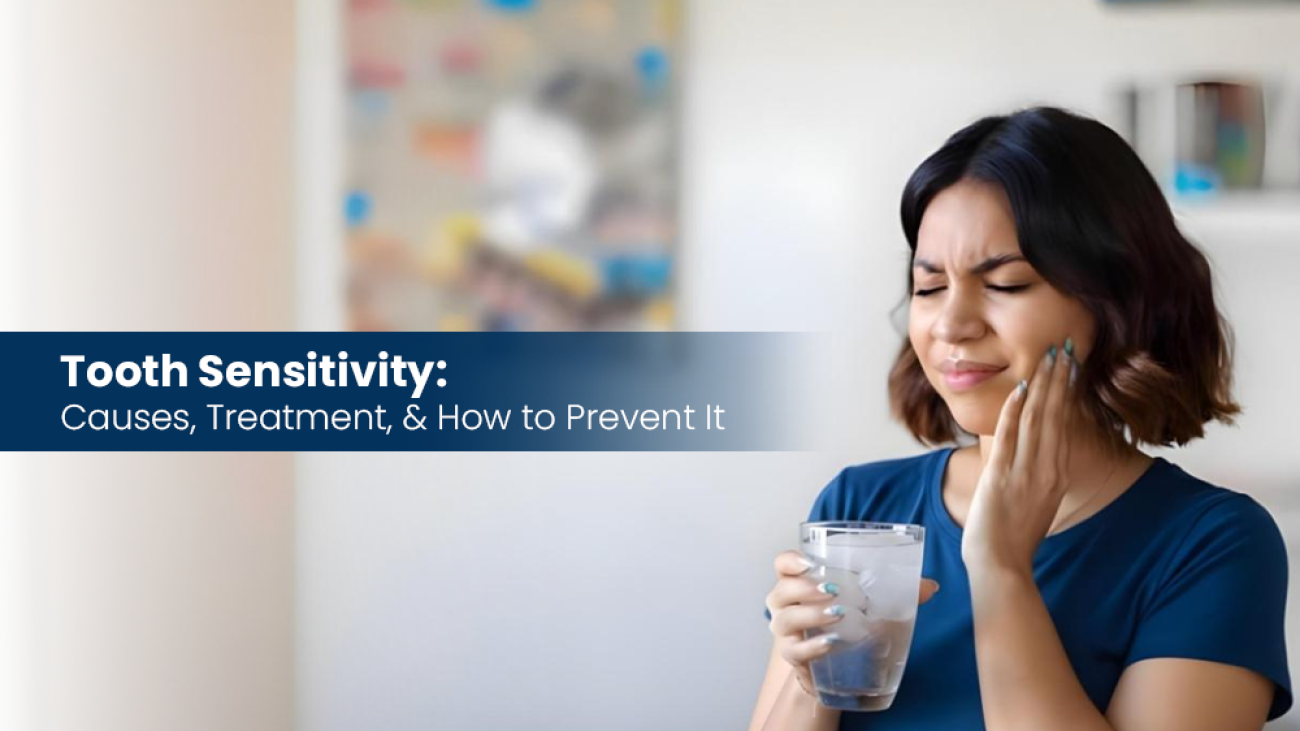
tooth sensitivity

Tooth Sensitivity: Causes, Treatment, and How to Prevent It

In toothpaste commercials, have you seen people in pain because they had an ice cream or hot tea/coffee? If you have, you must know it is not mere acting; those are real feelings undergone by those who suffer from tooth sensitivity. It is a dental condition where your teeth feel discomfort or pain when something hot, cold or sweet triggers them.

You might have heard a lot about it, and as painful as it sounds, it is treatable. With the right advanced dental treatment, procedures, diagnosis, and preventive care, you can be free from the pain.

Want to know more about tooth sensitivity, causes, and treatments? Keep scrolling.

What Is Tooth Sensitivity?

Tooth sensitivity is a dental issue that occurs when the dentin (tooth’s inner layer) is exposed due to enamel wear or gum recession. It creates sharp and short bursts of pain for a few seconds.

Sensitivity is of two types: long-term and short-term. Long-term indicates enamel erosion, gum recession, or cavities. This is a call for treatment. Short-term comes after teeth whitening, cleaning, or minor enamel wear. This sensitivity dies down quickly.

Common Causes of Tooth Sensitivity

There are six sensitive teeth causes that can create long-term tooth sensitivity.

1. Worn Tooth Enamel

Hard brushing and using abrasive toothpaste are the main reasons. If you believe brushing hard works best for your teeth, then you are wrong. It only creates damage for your teeth by exposing the sensitive inner layer (dentin). Using whitening or polishing toothpaste can also create enamel erosion over time.

2. Gum Recession

Gum recession happens due to gum inflammation and periodontitis. Due to these issues, the gums move back and no longer cover the roots. This makes the teeth highly sensitive to hot, cold, sweet, and acidic foods. Our expert periodontist will give you the perfect Periodontic therapy (gum therapy) to control infection, reduce recession, and protect exposed roots.

3. Tooth Decay or Cavities

When cavities break down the enamel, the external stimuli or the triggering food item reaches the sensitive dentin layer. This is how one feels the sharp and short pain.

4. Cracked or Chipped Teeth

Hairline or small cracks can reveal the inner tooth layers outside. This gives the layers exposure to temperature changes or pressure, which irritates the nerve.

5. Teeth Grinding

Grinding is technically known as bruxism. It is the unconscious clenching or grinding of teeth, especially at night. Continuous friction wears down the enamel, exposing dentin. This makes the inner layers more sensitive.

6. Recent Dental Procedures

If you have undergone any dental procedures like teeth whitening, professional cleaning, or fillings, then you will experience a temporary sensitivity.

What Triggers Tooth Sensitivity?

Hot, cold, sweet, acidic foods, cold air, and blushing or flossing are the reasons for sensitive teeth. All these irritate the exposed dentin and weaken the enamel. That is when one experiences sharp, intense pain.

When Should You See a Dentist?

  • Constant pain for a few days – The increased duration could be due to enamel damage, gum recession, or early decay. 
  • Sensitivity turning into a sharp or throbbing pain – This could be due to an infection or a nerve involvement.
  • Consistent pain from hot, cold, or sweet foods – While consuming them normally, if you feel constant sensitivity and discomfort, then the tooth sensitivity is developing.
  • Isolated tooth sensitivity – Pain in a single tooth indicates a cavity, crack, or exposed root needing treatment.

Professional Dental Treatments for Tooth Sensitivity

Fluoride application, dental fillings for cavities, gum treatment for recession, root canal treatment, and night guards for grinding are the dental sensitivity treatments done by our expert team.

Fluoride application creates a protective barrier that protects the affected area from hot, cold, or sweet food items and drinks. Applying them strengthens tooth enamel and decreases nerve sensitivity.

Dental fillings seal the exposed inner layer of teeth. They protect the dentin from another bacterial attack.

Gum treatment, also known as periodontal treatments are done when gums pull away from the tooth, revealing the inner roots. The treatments regain the gum health and reduce the discomfort.

Root canal treatment is typically done for severe issues. If a deep infection or nerve damage is found, a root canal is done to remove the infected tissue. 

Night Guards are given to reduce the constant teeth grinding. This protects the teeth and reduces pressure.

How to Prevent Tooth Sensitivity

Knowing what, how, and when to do the right techniques will save your tooth from tooth sensitivity.

  •   Use a soft-bristled toothbrush, and brush in a gentle circular motion.
  •   Use a desensitising toothpaste to block the pain trigger from the revealing dentin.
  •   Go for routine dental check-ups by professionals.
  •   Regularly use a night guard for teeth grinding, recommended by a dentist.
  •   Avoid frequent consumption of acidic foods/drinks. If you consume, rinse your mouth with water right after consumption.

Our daily routines can create tooth sensitivity. Just like every other health issue, early detection will help you treat the sensitivity. The earlier you find it, the lighter the treatment will be.

At Dr Bobby’s Dental Clinic, our expert doctors will give you the personalised dental sensitivity treatment for your sensitivity issue. To solve your dental issues with the best treatment, call us at +91 8078961273 or visit our clinic at Kadavanthra.

Yes, when the underlying cause is identified and treated properly. Desensitising treatments and restorative procedures can provide long-term relief.

Mild cases can be managed, but lost gum tissue usually doesn’t grow back naturally. Severe cases may require gum graft procedures.

Temporary sensitivity can occur after whitening. It usually subsides within a few days.

Root canal treatment is needed when tooth sensitivity is severe, consistent, and caused by nerve infection or deep decay.
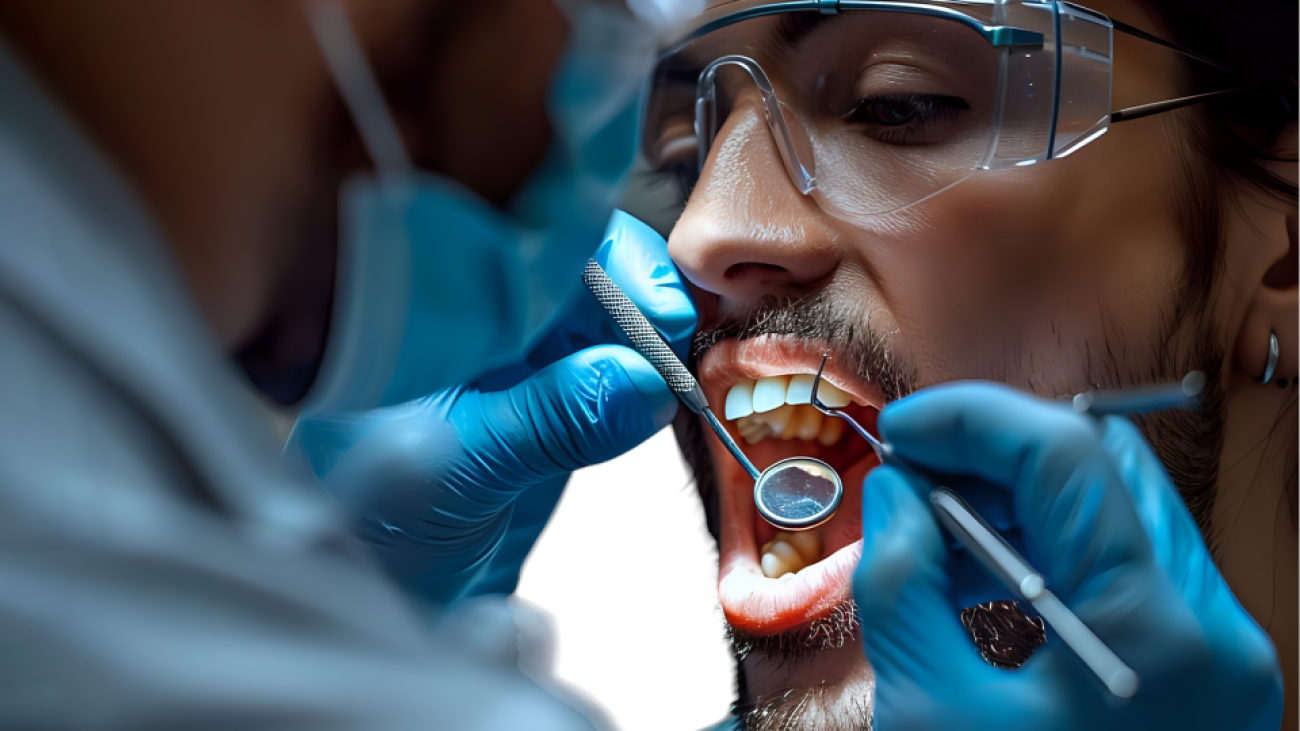
root canal treatment cost

What Determines the Root Canal Treatment Cost at Dental Clinics?

Only a few people discuss in detail with their dentist about any kind of treatment they are about to receive. It is essential to know the procedures and cost of a treatment suggested for you, because some treatments might not be the right one for you, financially.

A dental clinic should not only focus on providing the best services, but also on educating patients about the treatment and associated expenses. This is one of Dr Bobby’s Orthodontics and Dental Speciality Care’s primary aims: to ensure that  what the process of the root canal treatment and root canal treatment cost in kochi.

This is the focus topic of our blog. We will explain each factor and give you tips and suggestions about the price factors all along the blog.

What a Root Canal Treatment Involves

When a tooth gets infected or has some other damage inside, a root canal is done to remove and prevent the infection. The canals are disinfected and properly sealed to preserve your natural tooth.

The steps involved are diagnosis, cleaning and shaping, irrigation, obturation or filling, and restoration.

Step 1 – Diagnosis

The dentist needs to know the location and depth of the infection. Based on that, the root canal shape will be selected. To determine that, X-rays will be taken.

Step 2 – Cleaning & Shaping

The infected pulp is removed with small instruments. This is the cleaning part. Based on the gravity of the infection, the canal is shaped before the disinfection. This is the shaping part.

Step 3 – Irrigation

Before placing the canal, the space is flushed and cleaned repeatedly and thoroughly with antibacterial solutions. This cleaning removes the residuals accumulated during the shaping.

Step 4 – Obturation/Filling

After cleaning and drying, a biocompatible material called gutta-percha will be used to fill these canals. Gutta-percha is often combined with a sealer paste for a tight and secure sealing. This prevents and protects the tooth from further bacterial growth.

Step 5 – Restoration

This is a step where the tooth’s functioning is restored. The tooth securely filled with gutta-percha is sealed with a crown to protect and strengthen it.

The usual visitation numbers seen are either one or two. This is just a general number if the case is not severe. When it comes to complicated cases, this number can extend for proper treatment and healing.

Major Cost‑Determining Factors (Clinic & Patient Side)

The best way to understand the Root canal treatment cost in Kochi is to know what factors affect the cost, both from the clinic’s and the patient’s perspective.

For the patients.

Five factors affect the total costs from your side.

  • Tooth Anatomy & Complexity – Teeth with single canals can be easily treated, while teeth with multiple, curved canals are complicated. Complicated cases need intense treatment.

  • Severity of Infection/Condition of Tooth – When severity increases, treatments and visits increase. Severe issues like deep decay, abscesses, and other problems can only be treated with highly advanced treatments.
  • Diagnostic & Imaging – To assess simple issues, a single X-ray will be enough. For complicated cases, multiple X-rays or a CBCT scan will be needed.
  • Post-Treatment Restoration/Additional Procedures – The restoration treatments are done based on how much of the structure remains. Based on the severity, a core build-up, post-insertion, or a crown might be needed.

  • Number of Visits & Follow-Ups – A single appointment can treat simple issues, whereas severe issues need multiple appointments and follow-ups.

Now, coming to the clinics.

Four factors determine the cost.

  • Materials, instruments & technology used – Rotary endodontic systems, apex locators, and microscope-assisted RCTS are used for precise and effective treatment.
  • Specialist Skill & Experience – Certified endodontists with specialised training and higher success rates are the dentists handling the root canal treatments.
  • Clinic Overheads – The location, sterilisation quality, amenities given and infrastructure are important factors.
  • Contingencies & Aftercare – Severe cases and intense treatments demand multiple follow-ups. According to the gravity of the issue, the treatment packages vary.


From the first visit to the post-treatment follow-up, every factor is considered in the root canal treatment cost in Kochi’s billing. With proper dental care, the expense you have spent can be taken as a long-term investment.

If you are looking for a reputed dental clinic for oral solutions and to know the estimated value, book a consultation with Dr Bobby’s Orthodontics and Dental Speciality Care, today! Contact us at info@drbobbysdentalclinic.com or +91 8078961573

Clear braces, a modern orthodontic technology, invisibly straightens your teeth by looking like a second layer of your teeth. They are a long-term investment, with a high upfront cost. Certain factors affect the cost, they are:

  • The complexity of your dental alignment – Minor issues need fewer aligner trays which have a lower cost. Moderate cases need more trays, likely attachments or refinements required. These increase the price. Severe cases need more trays, possibly auxiliary tools needing more frequent monitoring. They have the highest cost.
  • Duration of the treatment – The treatment can take place for short and long durations. The short duration is 4-6 months. The cost charged is low because only fewer trays and fewer appointments are needed. The longer duration takes 12-24 months or more. This time period needs more trays, more checkups, sometimes more complex tooth movements which increases the charges.
  • The number of aligners needed – There are three types of aligners: single, multiple, and full-arch. SIngle implants replace a single tooth, multiple implants replace multiple teeth, and a full arch replaces a full set of teeth.
  • Type of aligner system used – Premium brands are costly while local brands are budget-friendly. Brands like Invisalign, Spark, and ClearCorrect are premium brands. Brands like Toothsi, Clearbee, Pristine, and MAXDENT Clear Aligners are local brands.
  • Any additional procedures or refinements required – Bone grafting, sinus lift, and alternatives like Zygomatic Implants are the procedures. These are needed when the jawbone is too thin or soft, when bone is not enough in the upper back jaw, or when implants cannot fuse to the bone or in severe bone loss.

Clear aligners will approximately cost between ₹60,000 and 2 lakhs. Even though this is a general cost, it can vary. Not everyone has to go through all of these steps. Some cases need more treatment and follow ups, whereas some don’t. It all depends on how severe your problem is.