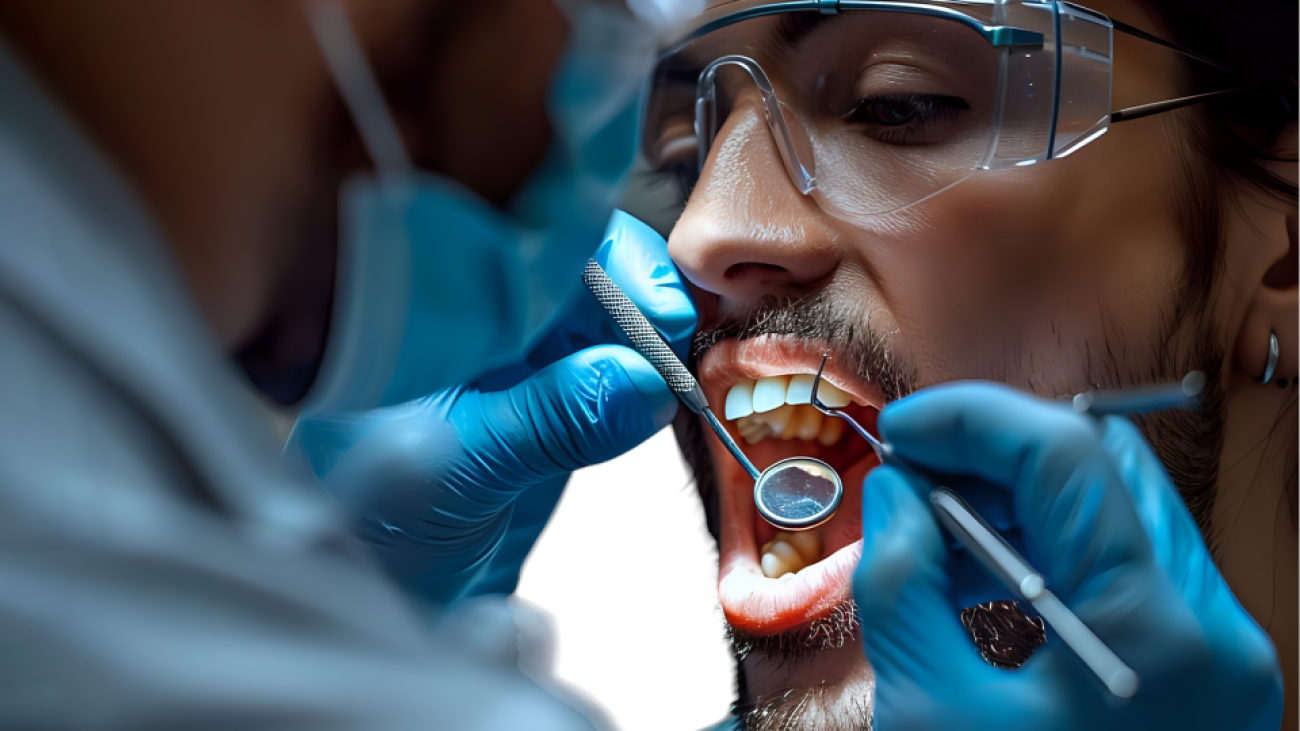

Is Root Canal Treatment Painful

Is Root Canal Treatment Painful? Everything You Need to Know

The first thing that comes to everyone’s mind about a root canal is pain. This is the first myth you need to bust about. Root canal treatment is primarily designed to relieve pain and discomfort caused by infection.

Thanks to advanced technology and treatment methods, root canal treatment has improved the overall experience.

If you continue reading, you will understand the reality behind the myths, the treatment process, and what happens before and after treatment in the Best Dental Clinic in Kochi Ernakulam.

What is Root Canal Treatment & why is it needed?

Root canal treatment cleans the infection and restores the tooth. The primary aim is to clean the tooth and preserve it. This way, you can avoid extraction and keep up your regular chewing and appearance.

There are three basic procedures involved: removal, cleaning, and sealing. Removal is removing the infected pulp. Cleaning is disinfecting the inner canals. Sealing is filling and sealing the cleaned canals to prevent infection.

Several issues can cause pulp infection: deep decay, cracked or chipped teeth, repeated dental procedures, and trauma/injury. All these act as a window for bacteria to enter the canals and cause infection.

Ignoring these issues or not treating them will spread the infection to nearby areas, increase severe pain, swelling, and tooth loss, and affect your overall oral and general health.

Is Root Canal Treatment Painful?

No. Modern treatments and tools reduce the root canal treatment pain. Local anaesthesia is what makes it painless. It completely numbs the affected and surrounding areas, so you find the treatment painless.

The only difference between a dental filling and a root canal is that during a root canal, you might feel a slight pressure, not pain. Rather than causing pain, a root canal relieves pain from infection. 

Why Do People Think Root Canals Are Painful?

It is because of these four reasons:

1.Antiquated understanding – Before, the treatment lacked the present-day tools and techniques. So, it used to be painful and uncomfortable then. This has created a lasting trauma till today.

2.Pre-Treatment Pain Confusion – Before the treatment, the pain you feel is from the infection. People sometimes tend to confuse it with the treatment.

3.Dental Anxiety and Fear – Under the perception of pain, a common fear of dental treatments, needles, or drills persists.

4.Media Exaggeration – In movies and on social media, root canal treatment is often displayed as a painful treatment. The audience could tend to believe it.

What Happens During the Procedure?

There are five stages in the step-by-step experience: examination and preparation, numbing, cleaning, filling, and what the patient feels.

In the first step, the infected tooth is examined and prepared. Next, a local anaesthetic numbs the surrounding area of the tooth for a pain-free treatment.  The cleaning process focuses on removing the decayed or infected tissue and cleaning the tooth interior. This protects the tooth from further infection or bacteria. In filling, the tooth is filled with a material and sealed with a crown for additional strength.

The aftermath could be a slight pressure or movement. The anaesthesia will not let you feel the pain

What to Expect After a Root Canal

Post root canal, there are four stages: normal post-treatment symptoms, mild discomfort, sensitivity, recovery timeline, and pain management tips.

The normal post-treatment symptoms are mild soreness or tenderness in the treated and surrounding areas for a few days. While chewing or moving your mouth, you may feel a mild discomfort. This will gradually decrease over the next few days. Along with the discomfort, you will find the treated tooth sensitive to touch or bite. This is due to the temporary inflammation around the roots.

The usual recovery timeline is 3 to 7 days. This could go longer based on your issue and daily activities. Some tips for managing root canal treatment pain include taking prescribed painkillers, chewing on the healthy side, and maintaining good oral hygiene.

Signs You Might Need a Root Canal

  1. Persistent Tooth Pain – Consistent pain during chewing or applying pressure is due to infection in the tooth pulp.
  2. Sensitivity to Hot/Cold – Sensitivity that lasts even after removing hot or cold stimuli is from the nerve damage or deep decay.
  3. Swollen Gums – Swelling, tenderness, or redness is due to an underlying infection.
  4. Tooth Discolouration – The dark or grey shade is the aftereffect of internal damage or dying pulp tissue.
  5. Pimple on Gums – An active infection can cause a small, recurring bump (abscess) on the gums, which could release pus.

Benefits of Root Canal Treatment

Pain relief, saving a natural tooth, preventing infection spread, and restoring function and aesthetics are the benefits of root canal treatment.

Pain relief comes when the infected pulp is removed. In the treatment, the natural tooth structure is preserved to maintain the proper bite and alignment. The cleaning and sealing process prevents an infection from spreading in the surrounding teeth, gums, or jawbone. Finally, a filling or crown is placed to restore the function and aesthetics of a natural tooth.

Common Myths vs Facts

Two commonly heard myths about root canal treatment are:

Myth 1 – Root canals are extremely painful.

Fact: Local anaesthesia and modern techniques are designed to make the removal of the infection pain-free.  

Myth 2 – Tooth extraction is better

Fact: Preserving your natural tooth is better. It maintains proper chewing, alignment, and jaw health. It also restores the function and aesthetics.

Root canal treatment has a slightly uncomfortable aftermath, not a painful one. The symptoms mentioned above may seem simple, but they are not. Those are signals wanting urgent treatment. The earlier you go for it, the more painless it becomes.

Present-day dental techniques, such as local anaesthesia, ensure you won’t hesitate to choose the treatment.

Dr Bobby’s Dental Clinic’s expert dentists will give you the best root canal treatment. Call us at +91 8078961273 or visit our clinic at Kadavanthra.

No, it is usually painless with modern anaesthesia. It actually relieves the pain caused by infection.

It feels similar to getting a filling. You may have mild soreness afterwards, but it’s manageable.

Mild discomfort may last for a few days. Persistent pain is rare and should be checked by a dentist.

It typically takes 1–2 visits, each lasting about 30–90 minutes. Complex cases may take longer.

Yes, but wait until the numbness wears off. Stick to soft foods and avoid chewing on the treated side initially.

The infection can worsen and spread, leading to severe pain or tooth loss. Early treatment prevents complications.

Prevent Bad Breath

How to Prevent Bad Breath: Tips from the Best Dental Clinic in Kochi

Bad breath is an embarrassing phenomenon we commonly notice, sometimes from ourselves, sometimes from others. The reasons we assume are bad brushing, not drinking enough water or any other common habits. But it could go beyond that.

Bad breath, medically known as halitosis, can come from different dental issues. This issue can affect our confidence in our social interactions.

At Dr Bobby’s Dental Clinic, our expertise, dental knowledge, and personalised bad breath treatment will detect the root cause, solve it, and prevent another halitosis issue in the long run.

What Causes Bad Breath?

Lifestyle or some factors in your oral hygiene can cause bad breath. The major ones are explained below.

1.Poor Oral Hygiene

While brushing and flossing after dinner, if you can’t clean some leftover food particles due to their position, it will lead to bacterial accumulation on teeth, gums, and tongue.

2.Gum Disease

Plaque turning into tartar is the major reason for gum issues. When plaque hardens into tartar, creating a space for odour-causing bacteria below the gumline. These can lead to foul smell and tissue breakdown.

3.Dry Mouth

Not having enough saliva affects washing away food particles and bacteria, and makes the mouth dry.

Food and Lifestyle Habits

Having odour-causing foods like garlic and onions, tobacco, and beverages like coffee and alcohol can cause bad breath. 

Signs You May Have Chronic Bad Breath

Five signs that indicate you have halitosis and should be consulted by a dentist:

  • Persistent bad taste in the mouth – Could be from the bacterial buildup or underlying oral issues.
  • White coating on the tongue – The coating could trap bacteria and food particles.
  • Dry mouth – A low amount of saliva increases odour-causing bacteria.
  • Bleeding gums – Gingivitis or periodontitis can create bad breath.
  • People notice unpleasant breath – When others constantly point it out, it means you may have to consult a dentist.

Daily Bad Breath Remedy at Home

1.Brush Teeth Twice a Day

Brush all tooth surfaces thoroughly for at least two minutes with a fluoride toothpaste.

2.Clean Your Tongue

Using a tongue scraper removes odour-causing bacteria that brushing alone can’t clean.

3.Floss Daily

Flossing once a day limits the bacterial accumulation that leads to bad breath and gum issues.

4.Stay Hydrated

Drinking water will prevent your mouth from going dry, which washes away bacteria and keeps your breath fresh.

5.Use Mouthwash

An antibacterial mouthwash prescribed by a dentist can reduce bacteria and give a long-lasting fresh breath

Professional Bad Breath Treatment

Dentists analyse the root cause of halitosis for effective personalised treatments. These treatments aim to solve your issue in the long run.

1.Professional Dental Cleaning

This process removes the hardened deposits that can’t be cleaned by normal brushing.

2.Gum Disease Treatment

Scaling, root planning, and periodontal care are the treatments focused on in this stage. Deep cleaning, in scaling and root planning, eliminates bacteria below the gumline and smooths the roots for healing. While periodontal treatment treats infected gums.

3.Identifying Underlying Causes

Oral infections, cavities, and other dental issues are the major underlying causes of bad breath. Gum or tooth infections create foul-smelling bacteria. Cavities trapping food particles and bacteria can lead to bad breath. Other dental issues include dry mouth, impacted teeth, or poorly fitted restorations.

Why Choose Dr Bobby Dental Clinic for Bad Breath Treatment?

Skilled dentists, advanced technology, personalised treatments, and a comfortable and clean environment are what we offer at Dr Bobby’s Dental Clinic.

Our experienced dentists using advanced technology will identify the origin of halitosis. Based on the initial analysis, the dentists will create a personalized oral treatment for effective, sustainable results. Our treatments are done in a comfortable, calm, and patient-friendly clinic, because client satisfaction is our top priority.

Poor oral hygiene, incorrect food and lifestyle habits, beverage consumption, dental illnesses, and lack of routine check-ups are the main causes of halitosis. 

A change in habits prescribed by the best dental clinic in kochi will end your embarrassing bad breath. Dr Bobby’s Dental Clinic’s expert dentists will give you personalised bad breath treatment and solutions for your halitosis. For the best treatment, call us at +91 8078961273 or visit our clinic at Kadavanthra.


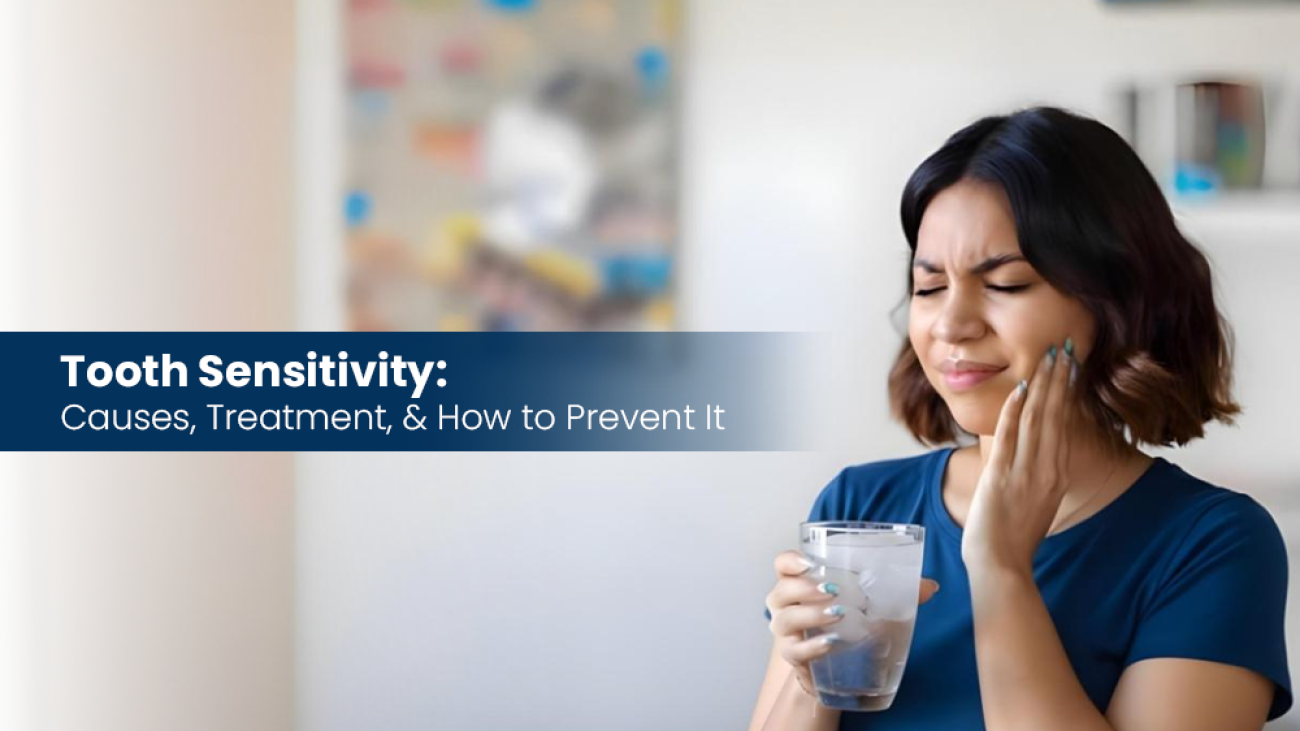
tooth sensitivity

Tooth Sensitivity: Causes, Treatment, and How to Prevent It

In toothpaste commercials, have you seen people in pain because they had an ice cream or hot tea/coffee? If you have, you must know it is not mere acting; those are real feelings undergone by those who suffer from tooth sensitivity. It is a dental condition where your teeth feel discomfort or pain when something hot, cold or sweet triggers them.

You might have heard a lot about it, and as painful as it sounds, it is treatable. With the right advanced dental treatment, procedures, diagnosis, and preventive care, you can be free from the pain.

Want to know more about tooth sensitivity, causes, and treatments? Keep scrolling.

What Is Tooth Sensitivity?

Tooth sensitivity is a dental issue that occurs when the dentin (tooth’s inner layer) is exposed due to enamel wear or gum recession. It creates sharp and short bursts of pain for a few seconds.

Sensitivity is of two types: long-term and short-term. Long-term indicates enamel erosion, gum recession, or cavities. This is a call for treatment. Short-term comes after teeth whitening, cleaning, or minor enamel wear. This sensitivity dies down quickly.

Common Causes of Tooth Sensitivity

There are six sensitive teeth causes that can create long-term tooth sensitivity.

1. Worn Tooth Enamel

Hard brushing and using abrasive toothpaste are the main reasons. If you believe brushing hard works best for your teeth, then you are wrong. It only creates damage for your teeth by exposing the sensitive inner layer (dentin). Using whitening or polishing toothpaste can also create enamel erosion over time.

2. Gum Recession

Gum recession happens due to gum inflammation and periodontitis. Due to these issues, the gums move back and no longer cover the roots. This makes the teeth highly sensitive to hot, cold, sweet, and acidic foods. Our expert periodontist will give you the perfect Periodontic therapy (gum therapy) to control infection, reduce recession, and protect exposed roots.

3. Tooth Decay or Cavities

When cavities break down the enamel, the external stimuli or the triggering food item reaches the sensitive dentin layer. This is how one feels the sharp and short pain.

4. Cracked or Chipped Teeth

Hairline or small cracks can reveal the inner tooth layers outside. This gives the layers exposure to temperature changes or pressure, which irritates the nerve.

5. Teeth Grinding

Grinding is technically known as bruxism. It is the unconscious clenching or grinding of teeth, especially at night. Continuous friction wears down the enamel, exposing dentin. This makes the inner layers more sensitive.

6. Recent Dental Procedures

If you have undergone any dental procedures like teeth whitening, professional cleaning, or fillings, then you will experience a temporary sensitivity.

What Triggers Tooth Sensitivity?

Hot, cold, sweet, acidic foods, cold air, and blushing or flossing are the reasons for sensitive teeth. All these irritate the exposed dentin and weaken the enamel. That is when one experiences sharp, intense pain.

When Should You See a Dentist?

  • Constant pain for a few days – The increased duration could be due to enamel damage, gum recession, or early decay. 
  • Sensitivity turning into a sharp or throbbing pain – This could be due to an infection or a nerve involvement.
  • Consistent pain from hot, cold, or sweet foods – While consuming them normally, if you feel constant sensitivity and discomfort, then the tooth sensitivity is developing.
  • Isolated tooth sensitivity – Pain in a single tooth indicates a cavity, crack, or exposed root needing treatment.

Professional Dental Treatments for Tooth Sensitivity

Fluoride application, dental fillings for cavities, gum treatment for recession, root canal treatment, and night guards for grinding are the dental sensitivity treatments done by our expert team.

Fluoride application creates a protective barrier that protects the affected area from hot, cold, or sweet food items and drinks. Applying them strengthens tooth enamel and decreases nerve sensitivity.

Dental fillings seal the exposed inner layer of teeth. They protect the dentin from another bacterial attack.

Gum treatment, also known as periodontal treatments are done when gums pull away from the tooth, revealing the inner roots. The treatments regain the gum health and reduce the discomfort.

Root canal treatment is typically done for severe issues. If a deep infection or nerve damage is found, a root canal is done to remove the infected tissue. 

Night Guards are given to reduce the constant teeth grinding. This protects the teeth and reduces pressure.

How to Prevent Tooth Sensitivity

Knowing what, how, and when to do the right techniques will save your tooth from tooth sensitivity.

  •   Use a soft-bristled toothbrush, and brush in a gentle circular motion.
  •   Use a desensitising toothpaste to block the pain trigger from the revealing dentin.
  •   Go for routine dental check-ups by professionals.
  •   Regularly use a night guard for teeth grinding, recommended by a dentist.
  •   Avoid frequent consumption of acidic foods/drinks. If you consume, rinse your mouth with water right after consumption.

Our daily routines can create tooth sensitivity. Just like every other health issue, early detection will help you treat the sensitivity. The earlier you find it, the lighter the treatment will be.

At Dr Bobby’s Dental Clinic, our expert doctors will give you the personalised dental sensitivity treatment for your sensitivity issue. To solve your dental issues with the best treatment, call us at +91 8078961273 or visit our clinic at Kadavanthra.

Yes, when the underlying cause is identified and treated properly. Desensitising treatments and restorative procedures can provide long-term relief.

Mild cases can be managed, but lost gum tissue usually doesn’t grow back naturally. Severe cases may require gum graft procedures.

Temporary sensitivity can occur after whitening. It usually subsides within a few days.

Root canal treatment is needed when tooth sensitivity is severe, consistent, and caused by nerve infection or deep decay.

root canal treatment cost

What Determines the Root Canal Treatment Cost at Dental Clinics?

Only a few people discuss in detail with their dentist about any kind of treatment they are about to receive. It is essential to know the procedures and cost of a treatment suggested for you, because some treatments might not be the right one for you, financially.

A dental clinic should not only focus on providing the best services, but also on educating patients about the treatment and associated expenses. This is one of Dr Bobby’s Orthodontics and Dental Speciality Care’s primary aims: to ensure that  what the process of the root canal treatment and root canal treatment cost in kochi.

This is the focus topic of our blog. We will explain each factor and give you tips and suggestions about the price factors all along the blog.

What a Root Canal Treatment Involves

When a tooth gets infected or has some other damage inside, a root canal is done to remove and prevent the infection. The canals are disinfected and properly sealed to preserve your natural tooth.

The steps involved are diagnosis, cleaning and shaping, irrigation, obturation or filling, and restoration.

Step 1 – Diagnosis

The dentist needs to know the location and depth of the infection. Based on that, the root canal shape will be selected. To determine that, X-rays will be taken.

Step 2 – Cleaning & Shaping

The infected pulp is removed with small instruments. This is the cleaning part. Based on the gravity of the infection, the canal is shaped before the disinfection. This is the shaping part.

Step 3 – Irrigation

Before placing the canal, the space is flushed and cleaned repeatedly and thoroughly with antibacterial solutions. This cleaning removes the residuals accumulated during the shaping.

Step 4 – Obturation/Filling

After cleaning and drying, a biocompatible material called gutta-percha will be used to fill these canals. Gutta-percha is often combined with a sealer paste for a tight and secure sealing. This prevents and protects the tooth from further bacterial growth.

Step 5 – Restoration

This is a step where the tooth’s functioning is restored. The tooth securely filled with gutta-percha is sealed with a crown to protect and strengthen it.

The usual visitation numbers seen are either one or two. This is just a general number if the case is not severe. When it comes to complicated cases, this number can extend for proper treatment and healing.

Major Cost‑Determining Factors (Clinic & Patient Side)

The best way to understand the Root canal treatment cost in Kochi is to know what factors affect the cost, both from the clinic’s and the patient’s perspective.

For the patients.

Five factors affect the total costs from your side.

  • Tooth Anatomy & Complexity – Teeth with single canals can be easily treated, while teeth with multiple, curved canals are complicated. Complicated cases need intense treatment.

  • Severity of Infection/Condition of Tooth – When severity increases, treatments and visits increase. Severe issues like deep decay, abscesses, and other problems can only be treated with highly advanced treatments.
  • Diagnostic & Imaging – To assess simple issues, a single X-ray will be enough. For complicated cases, multiple X-rays or a CBCT scan will be needed.
  • Post-Treatment Restoration/Additional Procedures – The restoration treatments are done based on how much of the structure remains. Based on the severity, a core build-up, post-insertion, or a crown might be needed.

  • Number of Visits & Follow-Ups – A single appointment can treat simple issues, whereas severe issues need multiple appointments and follow-ups.

Now, coming to the clinics.

Four factors determine the cost.

  • Materials, instruments & technology used – Rotary endodontic systems, apex locators, and microscope-assisted RCTS are used for precise and effective treatment.
  • Specialist Skill & Experience – Certified endodontists with specialised training and higher success rates are the dentists handling the root canal treatments.
  • Clinic Overheads – The location, sterilisation quality, amenities given and infrastructure are important factors.
  • Contingencies & Aftercare – Severe cases and intense treatments demand multiple follow-ups. According to the gravity of the issue, the treatment packages vary.


From the first visit to the post-treatment follow-up, every factor is considered in the root canal treatment cost in Kochi’s billing. With proper dental care, the expense you have spent can be taken as a long-term investment.

If you are looking for a reputed dental clinic for oral solutions and to know the estimated value, book a consultation with Dr Bobby’s Orthodontics and Dental Speciality Care, today! Contact us at info@drbobbysdentalclinic.com or +91 8078961573

Clear braces, a modern orthodontic technology, invisibly straightens your teeth by looking like a second layer of your teeth. They are a long-term investment, with a high upfront cost. Certain factors affect the cost, they are:

  • The complexity of your dental alignment – Minor issues need fewer aligner trays which have a lower cost. Moderate cases need more trays, likely attachments or refinements required. These increase the price. Severe cases need more trays, possibly auxiliary tools needing more frequent monitoring. They have the highest cost.
  • Duration of the treatment – The treatment can take place for short and long durations. The short duration is 4-6 months. The cost charged is low because only fewer trays and fewer appointments are needed. The longer duration takes 12-24 months or more. This time period needs more trays, more checkups, sometimes more complex tooth movements which increases the charges.
  • The number of aligners needed – There are three types of aligners: single, multiple, and full-arch. SIngle implants replace a single tooth, multiple implants replace multiple teeth, and a full arch replaces a full set of teeth.
  • Type of aligner system used – Premium brands are costly while local brands are budget-friendly. Brands like Invisalign, Spark, and ClearCorrect are premium brands. Brands like Toothsi, Clearbee, Pristine, and MAXDENT Clear Aligners are local brands.
  • Any additional procedures or refinements required – Bone grafting, sinus lift, and alternatives like Zygomatic Implants are the procedures. These are needed when the jawbone is too thin or soft, when bone is not enough in the upper back jaw, or when implants cannot fuse to the bone or in severe bone loss.

Clear aligners will approximately cost between ₹60,000 and 2 lakhs. Even though this is a general cost, it can vary. Not everyone has to go through all of these steps. Some cases need more treatment and follow ups, whereas some don’t. It all depends on how severe your problem is.