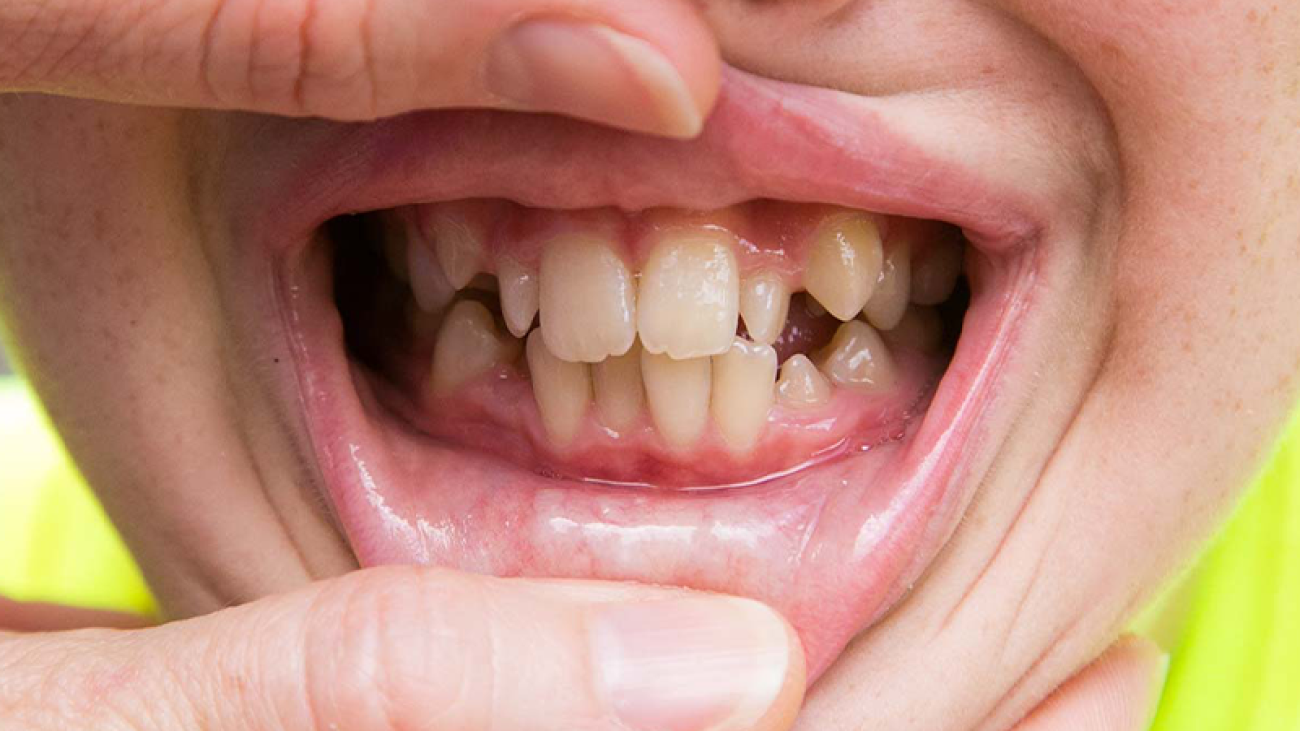
Is Root Canal Treatment Painful

Is Root Canal Treatment Painful? Everything You Need to Know

The first thing that comes to everyone’s mind about a root canal is pain. This is the first myth you need to bust about. Root canal treatment is primarily designed to relieve pain and discomfort caused by infection.

Thanks to advanced technology and treatment methods, root canal treatment has improved the overall experience.

If you continue reading, you will understand the reality behind the myths, the treatment process, and what happens before and after treatment in the Best Dental Clinic in Kochi Ernakulam.

What is Root Canal Treatment & why is it needed?

Root canal treatment cleans the infection and restores the tooth. The primary aim is to clean the tooth and preserve it. This way, you can avoid extraction and keep up your regular chewing and appearance.

There are three basic procedures involved: removal, cleaning, and sealing. Removal is removing the infected pulp. Cleaning is disinfecting the inner canals. Sealing is filling and sealing the cleaned canals to prevent infection.

Several issues can cause pulp infection: deep decay, cracked or chipped teeth, repeated dental procedures, and trauma/injury. All these act as a window for bacteria to enter the canals and cause infection.

Ignoring these issues or not treating them will spread the infection to nearby areas, increase severe pain, swelling, and tooth loss, and affect your overall oral and general health.

Is Root Canal Treatment Painful?

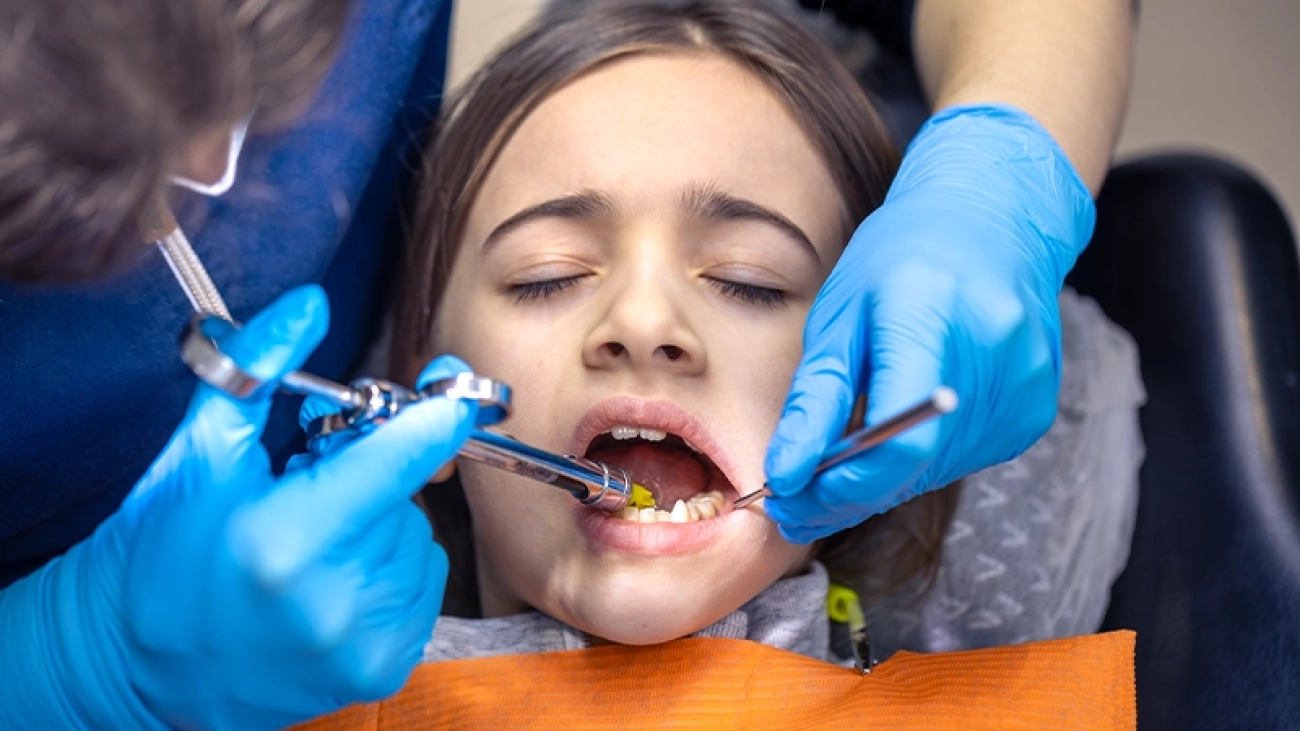
No. Modern treatments and tools reduce the root canal treatment pain. Local anaesthesia is what makes it painless. It completely numbs the affected and surrounding areas, so you find the treatment painless.

The only difference between a dental filling and a root canal is that during a root canal, you might feel a slight pressure, not pain. Rather than causing pain, a root canal relieves pain from infection. 

Why Do People Think Root Canals Are Painful?

It is because of these four reasons:

1.Antiquated understanding – Before, the treatment lacked the present-day tools and techniques. So, it used to be painful and uncomfortable then. This has created a lasting trauma till today.

2.Pre-Treatment Pain Confusion – Before the treatment, the pain you feel is from the infection. People sometimes tend to confuse it with the treatment.

3.Dental Anxiety and Fear – Under the perception of pain, a common fear of dental treatments, needles, or drills persists.

4.Media Exaggeration – In movies and on social media, root canal treatment is often displayed as a painful treatment. The audience could tend to believe it.

What Happens During the Procedure?

There are five stages in the step-by-step experience: examination and preparation, numbing, cleaning, filling, and what the patient feels.

In the first step, the infected tooth is examined and prepared. Next, a local anaesthetic numbs the surrounding area of the tooth for a pain-free treatment.  The cleaning process focuses on removing the decayed or infected tissue and cleaning the tooth interior. This protects the tooth from further infection or bacteria. In filling, the tooth is filled with a material and sealed with a crown for additional strength.

The aftermath could be a slight pressure or movement. The anaesthesia will not let you feel the pain

What to Expect After a Root Canal

Post root canal, there are four stages: normal post-treatment symptoms, mild discomfort, sensitivity, recovery timeline, and pain management tips.

The normal post-treatment symptoms are mild soreness or tenderness in the treated and surrounding areas for a few days. While chewing or moving your mouth, you may feel a mild discomfort. This will gradually decrease over the next few days. Along with the discomfort, you will find the treated tooth sensitive to touch or bite. This is due to the temporary inflammation around the roots.

The usual recovery timeline is 3 to 7 days. This could go longer based on your issue and daily activities. Some tips for managing root canal treatment pain include taking prescribed painkillers, chewing on the healthy side, and maintaining good oral hygiene.

Signs You Might Need a Root Canal

  1. Persistent Tooth Pain – Consistent pain during chewing or applying pressure is due to infection in the tooth pulp.
  2. Sensitivity to Hot/Cold – Sensitivity that lasts even after removing hot or cold stimuli is from the nerve damage or deep decay.
  3. Swollen Gums – Swelling, tenderness, or redness is due to an underlying infection.
  4. Tooth Discolouration – The dark or grey shade is the aftereffect of internal damage or dying pulp tissue.
  5. Pimple on Gums – An active infection can cause a small, recurring bump (abscess) on the gums, which could release pus.

Benefits of Root Canal Treatment

Pain relief, saving a natural tooth, preventing infection spread, and restoring function and aesthetics are the benefits of root canal treatment.

Pain relief comes when the infected pulp is removed. In the treatment, the natural tooth structure is preserved to maintain the proper bite and alignment. The cleaning and sealing process prevents an infection from spreading in the surrounding teeth, gums, or jawbone. Finally, a filling or crown is placed to restore the function and aesthetics of a natural tooth.

Common Myths vs Facts

Two commonly heard myths about root canal treatment are:

Myth 1 – Root canals are extremely painful.

Fact: Local anaesthesia and modern techniques are designed to make the removal of the infection pain-free.  

Myth 2 – Tooth extraction is better

Fact: Preserving your natural tooth is better. It maintains proper chewing, alignment, and jaw health. It also restores the function and aesthetics.

Root canal treatment has a slightly uncomfortable aftermath, not a painful one. The symptoms mentioned above may seem simple, but they are not. Those are signals wanting urgent treatment. The earlier you go for it, the more painless it becomes.

Present-day dental techniques, such as local anaesthesia, ensure you won’t hesitate to choose the treatment.

Dr Bobby’s Dental Clinic’s expert dentists will give you the best root canal treatment. Call us at +91 8078961273 or visit our clinic at Kadavanthra.

No, it is usually painless with modern anaesthesia. It actually relieves the pain caused by infection.

It feels similar to getting a filling. You may have mild soreness afterwards, but it’s manageable.

Mild discomfort may last for a few days. Persistent pain is rare and should be checked by a dentist.

It typically takes 1–2 visits, each lasting about 30–90 minutes. Complex cases may take longer.

Yes, but wait until the numbness wears off. Stick to soft foods and avoid chewing on the treated side initially.

The infection can worsen and spread, leading to severe pain or tooth loss. Early treatment prevents complications.

Prevent Bad Breath

How to Prevent Bad Breath: Tips from the Best Dental Clinic in Kochi

Bad breath is an embarrassing phenomenon we commonly notice, sometimes from ourselves, sometimes from others. The reasons we assume are bad brushing, not drinking enough water or any other common habits. But it could go beyond that.

Bad breath, medically known as halitosis, can come from different dental issues. This issue can affect our confidence in our social interactions.

At Dr Bobby’s Dental Clinic, our expertise, dental knowledge, and personalised bad breath treatment will detect the root cause, solve it, and prevent another halitosis issue in the long run.

What Causes Bad Breath?

Lifestyle or some factors in your oral hygiene can cause bad breath. The major ones are explained below.

1.Poor Oral Hygiene

While brushing and flossing after dinner, if you can’t clean some leftover food particles due to their position, it will lead to bacterial accumulation on teeth, gums, and tongue.

2.Gum Disease

Plaque turning into tartar is the major reason for gum issues. When plaque hardens into tartar, creating a space for odour-causing bacteria below the gumline. These can lead to foul smell and tissue breakdown.

3.Dry Mouth

Not having enough saliva affects washing away food particles and bacteria, and makes the mouth dry.

Food and Lifestyle Habits

Having odour-causing foods like garlic and onions, tobacco, and beverages like coffee and alcohol can cause bad breath. 

Signs You May Have Chronic Bad Breath

Five signs that indicate you have halitosis and should be consulted by a dentist:

  • Persistent bad taste in the mouth – Could be from the bacterial buildup or underlying oral issues.
  • White coating on the tongue – The coating could trap bacteria and food particles.
  • Dry mouth – A low amount of saliva increases odour-causing bacteria.
  • Bleeding gums – Gingivitis or periodontitis can create bad breath.
  • People notice unpleasant breath – When others constantly point it out, it means you may have to consult a dentist.

Daily Bad Breath Remedy at Home

1.Brush Teeth Twice a Day

Brush all tooth surfaces thoroughly for at least two minutes with a fluoride toothpaste.

2.Clean Your Tongue

Using a tongue scraper removes odour-causing bacteria that brushing alone can’t clean.

3.Floss Daily

Flossing once a day limits the bacterial accumulation that leads to bad breath and gum issues.

4.Stay Hydrated

Drinking water will prevent your mouth from going dry, which washes away bacteria and keeps your breath fresh.

5.Use Mouthwash

An antibacterial mouthwash prescribed by a dentist can reduce bacteria and give a long-lasting fresh breath

Professional Bad Breath Treatment

Dentists analyse the root cause of halitosis for effective personalised treatments. These treatments aim to solve your issue in the long run.

1.Professional Dental Cleaning

This process removes the hardened deposits that can’t be cleaned by normal brushing.

2.Gum Disease Treatment

Scaling, root planning, and periodontal care are the treatments focused on in this stage. Deep cleaning, in scaling and root planning, eliminates bacteria below the gumline and smooths the roots for healing. While periodontal treatment treats infected gums.

3.Identifying Underlying Causes

Oral infections, cavities, and other dental issues are the major underlying causes of bad breath. Gum or tooth infections create foul-smelling bacteria. Cavities trapping food particles and bacteria can lead to bad breath. Other dental issues include dry mouth, impacted teeth, or poorly fitted restorations.

Why Choose Dr Bobby Dental Clinic for Bad Breath Treatment?

Skilled dentists, advanced technology, personalised treatments, and a comfortable and clean environment are what we offer at Dr Bobby’s Dental Clinic.

Our experienced dentists using advanced technology will identify the origin of halitosis. Based on the initial analysis, the dentists will create a personalized oral treatment for effective, sustainable results. Our treatments are done in a comfortable, calm, and patient-friendly clinic, because client satisfaction is our top priority.

Poor oral hygiene, incorrect food and lifestyle habits, beverage consumption, dental illnesses, and lack of routine check-ups are the main causes of halitosis. 

A change in habits prescribed by the best dental clinic in kochi will end your embarrassing bad breath. Dr Bobby’s Dental Clinic’s expert dentists will give you personalised bad breath treatment and solutions for your halitosis. For the best treatment, call us at +91 8078961273 or visit our clinic at Kadavanthra.


clear aligner

How Clear Aligners Can Fix Several Dental Issues?

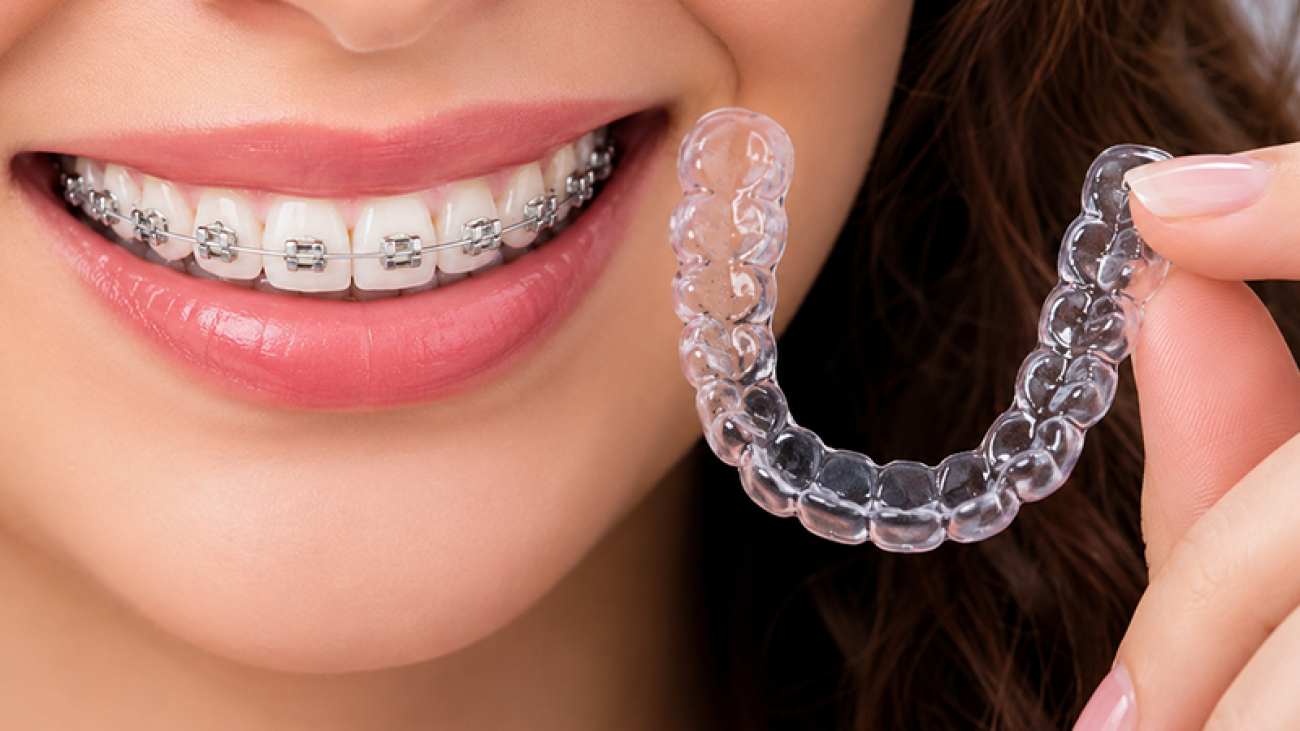
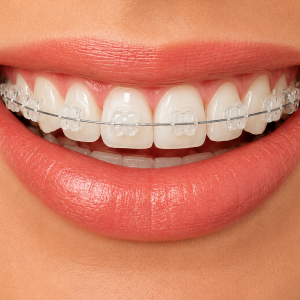
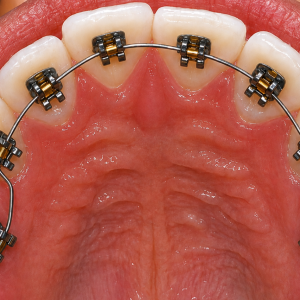
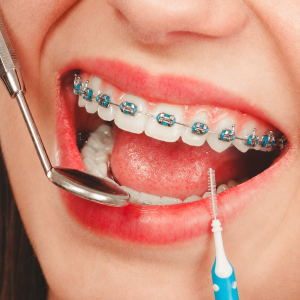
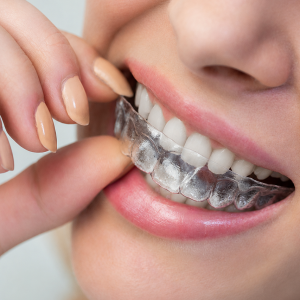
Clear aligners are Invisible braces for smile correction that straighten teeth without the appearance and limitations of traditional metal braces.

This blessing in disguise discreetly aligns teeth into the correct position. With that one function, clear aligners can solve many alignment issues. This is what makes it a popular orthodontic treatment among youth today. 

Keep scrolling to know what dental issues Clear aligner treatment can fix.

What Are Clear Aligners?

Clear Aligners is a modern orthodontic treatment that gradually aligns teeth discreetly. They fix the alignment, bite, and smile aesthetic issues.

How Clear Aligners Works

After fixing them to the teeth, the clear aligners, with gentle, controlled pressure, shift the teeth to the correct position. The user-friendly features are transparent and removable. The removable feature makes it easy for users to comfortably eat, brush, and floss. For effective use, every aligner is custom-made according to the patient’s tooth size.

Dental Issues Clear Aligners Can Fix

With Clear aligner treatment, seven teeth alignment issues can be fixed.

1. Crooked Teeth

Clear aligners apply a controlled, gentle shift to the teeth to achieve the right alignment. The removable feature makes it easier to eat and brush.

2. Overbite

An overbite is when the upper front teeth overlap the lower front teeth. Clear aligners solve this issue by relocating the teeth and jaw alignment. This reduces unnecessary overlap and rectifies the bite balance.

3. Underbite

Underbite is the opposite of overbite. Here, the lower teeth extend beyond the upper teeth, creating chewing difficulties and uneven tooth wear. Clear aligners’s proper shifting brings the teeth to the correct alignment, improving the bite function and overall dental balance.

4. Crossbite

This is a mix of overbite and underbite. When some of the upper teeth sit inside the lower teeth while the mouth is closed, it is called a crossbite. The gradual Clear Aligner treatment can limit the uneven wear and gum issues due to a crossbite.

5. Open Bite

When the upper and lower front teeth do not touch when the mouth is closed, it is called an open bite. Transparent aligners bring those teeth together to meet properly, which improves chewing and speech.

6. Gaps Between Teeth

Invisible Braces solves this issue by applying a gentle, controlled pressure to close the spaces between teeth and improve your smile aesthetics.

7. Crowded Teeth

Clear aligners correct crowding by shifting teeth into their right positions. This is one method. Another is a minor enamel reshaping, a painless, quick process of removing tiny amounts of tooth enamel.

Advantages of Choosing Clear Aligners

Clear aligners makes your life easier in seven ways:

1.Nearly Invisible Appearance – It aligns the teeth without the look of traditional braces.

  1. Removable for Convenience – They can be easily removed while eating, drinking, brushing, or flossing, making oral hygiene easier compared to braces.

3.Comfortable to Wear – They are smooth and custom-made. They have less irritation to the gums and cheeks compared to the metal brackets and wires.

4.Fewer Dental Visits – The lack of wires to adjust lessens the number of clinic visits for check-ups and progress monitoring.

5.Predictable and Customised Results – The advanced digital planning makes the results and treatment predictable.

6.No Food Restrictions – The removable feature helps patients enjoy their favourite foods without worrying about damaging brackets or wires.

7.Improved Oral Hygiene – Since they are removable, consistent brushing and flossing are possible. This helps patients maintain better gum and tooth health during treatment.

Cost & Comparison With Traditional Braces

Clear Aligners like Invisalign, Spark aligners, and Flash aligners usually cost between ₹60,000 and 3.5 lakhs. Invisible braces for smile correction are expensive, but they are best suited for your daily life.

Traditional braces usually cost between ₹20,000 and 1 lakh. Braces seem more affordable than aligners, but using them significantly changes your eating and oral hygiene habits.

All it takes to solve crooked teeth, underbite, crowded teeth, and other issues is a gentle, controlled pressure and shift by clear aligners. Now that you know how it works, what you need to know is who will do it. The right dentist.

Dr Bobby’s Dental Clinic will give you personalised Invisible Braces for your alignment issue. For the best treatment, call us at +91 8078961273 or visit our clinic at Kadavanthra.

Dental Implants Clean And Hygienic

How To Keep Dental Implants Clean And Hygienic?

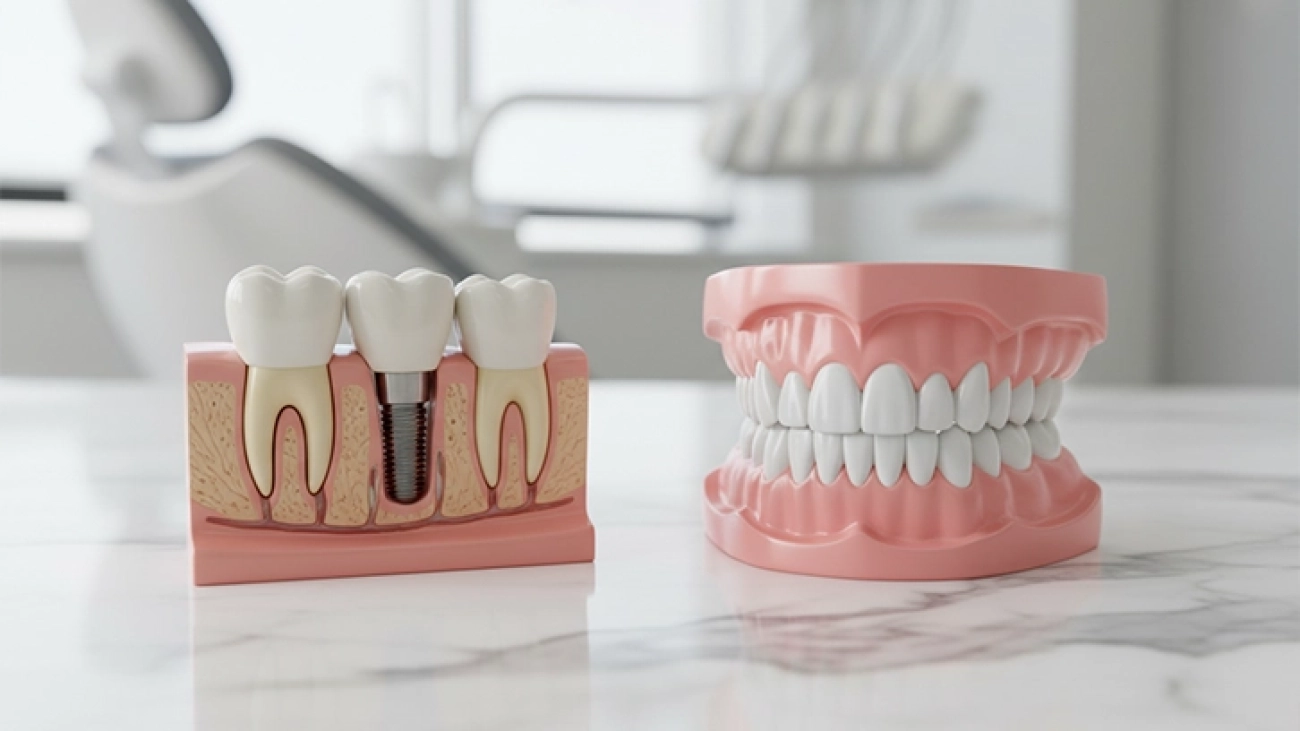
Dental implants are replacement and restoration solutions for missing teeth, function, and aesthetics. They are titanium posts placed in a jawbone as artificial, permanent roots. They provide a strong function to the crown, bridge, or denture, similar to that of a natural tooth.

Did you know that artificial implants, planted into natural gums and bone, can affect natural tissues due to a lack of dental implant cleaning?

We at Dr Bobby’s Orthodontics & Dental Speciality Care have an expert team that will provide you with the best personalised treatment for clean, healthy implants.

If you are planning to get implants or are currently using implants, you must know these effective hygiene methods.

Why Cleaning Dental Implants Matters

Dental implants are artificial teeth planted straight into the jawbone, surrounded by natural tissues like gums and bone. Since they are artificial, they will not be affected by cavities, but a lack of hygiene can affect the natural tissues. Peri-implantitis and infection are the major consequences.

Maintaining good dental implant cleaning will give your implants and natural tissues longevity, comfort, and a beautiful smile. This prevents bad breath, swelling, and gum discolouration.

Daily Oral Hygiene Routine

Brushing Techniques

Highly recommended implant cleaning brush types are soft-bristle or electric, as hard bristles can damage the gums. Hold the brush at a 45-degree angle and focus on the plaque accumulated. Consistently brush two times a day.

Flossing

Flossing limits inflammation and peri-implantitis. Use a super floss or an implant tape. They are made to be used for cleaning around implants and gum tissue. Gently curve the floss in a ‘C’ shape around the implant and slide the floss between teeth. Avoid snapping it into the gums.

Interdental Brushes & Picks

They are apt for cleaning wider gaps, under bridges, and around implant-supported restorations. Choose the correct size, and your doctor will suggest the perfect one. Insert it between the teeth and gently move it back and forth to avoid gum trauma.

Mouthwash

Using an antimicrobial mouthwash will reduce bacteria, control plaque accumulation, and maintain gum health around implants. For an implant patient, alcohol-free mouthwashes are the best, as alcohol can dry out oral tissues and irritate gums. Use it according to your dentist’s instructions.

Consistently following proper cleaning of dental implants will extend your teeth’s stable and healthy lifespan and function. Regular brushing, flossing, and professional cleanings aren’t just daily chores; they are preventive measures that shield your teeth from discomfort, inflammation, and other damage.

If you are going through pain and discomfort before using implants or while using implants, do not ignore it. Our Implantologist at Dr Bobby’s Orthodontics & Dental Speciality Care will treat your issues with the best personalised premium treatment. Call us at +91 8078961273 or visit our clinic at Kadavanthra.

They can last 15–25 years or even a lifetime with proper care and regular check-ups.

Yes, provided it should be a soft-bristle regular toothbrush. Electric brushes can also help maintain better plaque control.

Yes, smoking increases the risk of implant failure and slows down healing. Quitting keeps your success long-term.

Brush twice daily, floss once, and use an antibacterial mouthwash. Even quick, consistent care makes a big difference.

tooth sensitivity

Tooth Sensitivity: Causes, Treatment, and How to Prevent It

In toothpaste commercials, have you seen people in pain because they had an ice cream or hot tea/coffee? If you have, you must know it is not mere acting; those are real feelings undergone by those who suffer from tooth sensitivity. It is a dental condition where your teeth feel discomfort or pain when something hot, cold or sweet triggers them.

You might have heard a lot about it, and as painful as it sounds, it is treatable. With the right advanced dental treatment, procedures, diagnosis, and preventive care, you can be free from the pain.

Want to know more about tooth sensitivity, causes, and treatments? Keep scrolling.

What Is Tooth Sensitivity?

Tooth sensitivity is a dental issue that occurs when the dentin (tooth’s inner layer) is exposed due to enamel wear or gum recession. It creates sharp and short bursts of pain for a few seconds.

Sensitivity is of two types: long-term and short-term. Long-term indicates enamel erosion, gum recession, or cavities. This is a call for treatment. Short-term comes after teeth whitening, cleaning, or minor enamel wear. This sensitivity dies down quickly.

Common Causes of Tooth Sensitivity

There are six sensitive teeth causes that can create long-term tooth sensitivity.

1. Worn Tooth Enamel

Hard brushing and using abrasive toothpaste are the main reasons. If you believe brushing hard works best for your teeth, then you are wrong. It only creates damage for your teeth by exposing the sensitive inner layer (dentin). Using whitening or polishing toothpaste can also create enamel erosion over time.

2. Gum Recession

Gum recession happens due to gum inflammation and periodontitis. Due to these issues, the gums move back and no longer cover the roots. This makes the teeth highly sensitive to hot, cold, sweet, and acidic foods. Our expert periodontist will give you the perfect Periodontic therapy (gum therapy) to control infection, reduce recession, and protect exposed roots.

3. Tooth Decay or Cavities

When cavities break down the enamel, the external stimuli or the triggering food item reaches the sensitive dentin layer. This is how one feels the sharp and short pain.

4. Cracked or Chipped Teeth

Hairline or small cracks can reveal the inner tooth layers outside. This gives the layers exposure to temperature changes or pressure, which irritates the nerve.

5. Teeth Grinding

Grinding is technically known as bruxism. It is the unconscious clenching or grinding of teeth, especially at night. Continuous friction wears down the enamel, exposing dentin. This makes the inner layers more sensitive.

6. Recent Dental Procedures

If you have undergone any dental procedures like teeth whitening, professional cleaning, or fillings, then you will experience a temporary sensitivity.

What Triggers Tooth Sensitivity?

Hot, cold, sweet, acidic foods, cold air, and blushing or flossing are the reasons for sensitive teeth. All these irritate the exposed dentin and weaken the enamel. That is when one experiences sharp, intense pain.

When Should You See a Dentist?

  • Constant pain for a few days – The increased duration could be due to enamel damage, gum recession, or early decay. 
  • Sensitivity turning into a sharp or throbbing pain – This could be due to an infection or a nerve involvement.
  • Consistent pain from hot, cold, or sweet foods – While consuming them normally, if you feel constant sensitivity and discomfort, then the tooth sensitivity is developing.
  • Isolated tooth sensitivity – Pain in a single tooth indicates a cavity, crack, or exposed root needing treatment.

Professional Dental Treatments for Tooth Sensitivity

Fluoride application, dental fillings for cavities, gum treatment for recession, root canal treatment, and night guards for grinding are the dental sensitivity treatments done by our expert team.

Fluoride application creates a protective barrier that protects the affected area from hot, cold, or sweet food items and drinks. Applying them strengthens tooth enamel and decreases nerve sensitivity.

Dental fillings seal the exposed inner layer of teeth. They protect the dentin from another bacterial attack.

Gum treatment, also known as periodontal treatments are done when gums pull away from the tooth, revealing the inner roots. The treatments regain the gum health and reduce the discomfort.

Root canal treatment is typically done for severe issues. If a deep infection or nerve damage is found, a root canal is done to remove the infected tissue. 

Night Guards are given to reduce the constant teeth grinding. This protects the teeth and reduces pressure.

How to Prevent Tooth Sensitivity

Knowing what, how, and when to do the right techniques will save your tooth from tooth sensitivity.

  •   Use a soft-bristled toothbrush, and brush in a gentle circular motion.
  •   Use a desensitising toothpaste to block the pain trigger from the revealing dentin.
  •   Go for routine dental check-ups by professionals.
  •   Regularly use a night guard for teeth grinding, recommended by a dentist.
  •   Avoid frequent consumption of acidic foods/drinks. If you consume, rinse your mouth with water right after consumption.

Our daily routines can create tooth sensitivity. Just like every other health issue, early detection will help you treat the sensitivity. The earlier you find it, the lighter the treatment will be.

At Dr Bobby’s Dental Clinic, our expert doctors will give you the personalised dental sensitivity treatment for your sensitivity issue. To solve your dental issues with the best treatment, call us at +91 8078961273 or visit our clinic at Kadavanthra.

Yes, when the underlying cause is identified and treated properly. Desensitising treatments and restorative procedures can provide long-term relief.

Mild cases can be managed, but lost gum tissue usually doesn’t grow back naturally. Severe cases may require gum graft procedures.

Temporary sensitivity can occur after whitening. It usually subsides within a few days.

Root canal treatment is needed when tooth sensitivity is severe, consistent, and caused by nerve infection or deep decay.

Periodontist treatment

Top 10 Signs You Need to See a Periodontist And Why Dr Bobby Dental Clinic in Kochi Is the Right Choice for You

If you think the only thing gums do is hold your teeth, then you are wrong. They shield the teeth from bacteria, reduce inflammation, and keep the specialised tissues supporting the teeth alive and healthy.

Just like general medicine, dentistry also has different specifications. Gum health comes under Periodontology.

As gums play a vital role in overall oral health, they need to be in perfect health to continue being a strong foundation and to prevent tooth loss.

Daily life instances are signals for a dental check-up. These could be early treatments that could save you from advanced periodontitis and bone loss.

More than what treatment you get, who treated you is important. Dr Resmi P G, MDS the best Periodontist in Kochi, is equipped with the latest technology to give you the best diagnosis and personalised periodontal care.

To know more about the gums and periodontists, keep reading.

Who Is a Periodontist and What Do They Treat?

Periodontists are dentists who diagnose, treat, and prevent gum disease. Treating the jawbone, placement of dental implants, treating issues with gums, bone, and supporting tissues are also part of their discipline.

Their treatments range from deep cleanings (scaling and root planning) for early stages to complex surgical procedures like gum grafting, pocket reduction, and bone regeneration for severe cases. They also provide cosmetic gum treatments.

A dentist handles cleanings, fillings, and basic treatments. A periodontist handles gum care, bone management, and implant procedures. This is the basic difference.

Gum disease, gum recession, bone loss, and dental implants are the conditions they treat.

Top 10 Signs You Need to See a Periodontist

1. Bleeding Gums

A one-time episode of bleeding is fine, but consistent bleeding is a sign to consult a periodontist.

2. Persistent Bad Breath

Apart from morning breath and bad breath caused by dehydration, persistent bad breath is a serious concern. It could come from the bacteria trapped in the infected gum pockets.

3. Swollen, Red, or Tender Gums

They are the classic indicators of gum inflammation and infection. Ignoring these could end up in a periodontal disease.

4. Gum Recession

It is a process where the gum tissue pulls back from the tooth. During a recession, the teeth look longer, and the sensitive roots are exposed. This could lead to underlying bone loss and gum damage.

5. Loose or Shifting Teeth

Slightly loose or position-shifting teeth highlight issues in bone support.  

6. Pain While Chewing

A shooting pain while chewing or biting means the infection has reached deep into the tissues, compromising the gum and bone support.

7. Pus Between Teeth and Gums

The pus coming out between the teeth and gums is from an active bacterial infection. This is best treated immediately by a periodontist.

8. Changes in Bite or Tooth Alignment

Gum disease can create bone loss, which can create changes in bite and tooth alignment.

9. Family History of Gum Disease

Periodontal issues can be inherited genetically. You inherit them by inheriting variations in genes that control immune response, inflammation, and tissue structure.

10. Preparing for Dental Implants or Smile Treatments

If you’re planning for any dental cosmetic treatments, you’ll need healthy gums and bones. Only healthy gums and bones can be a strong foundation for the treatment.

What Happens If Gum Problems Are Ignored?

Many oral health issues will occur if you ignore them. Escalation from Gingivitis to Periodontitis, gum recession, bone loss, around teeth, tooth mobility and loss, persistent bad breath, risk of Abscesses, impact on overall health, and expensive dental treatments later.

Gingivitis is plaque building up along the gumline. This is an early-stage disease that leads to red, swollen, and bleeding gums if not treated. Periodontitis is an aggravated version of Gingivitis. At this stage, the infection has progressed sufficiently to cause damage to the gums.

Gum recession can expose the roots, making them sensitive. Bone loss happens when infected gums destroy the jawbone. A destroyed jawbone can cause it to loosen over time, making it difficult for the jaw to support the teeth. An unsupportive jaw leads to tooth mobility and tooth loss. If the bacteria build up in these infected gums, it causes persistent bad breath and an unpleasant taste. Pus-filled infections can increase the risk of abscesses. All these gum diseases can have a negative impact on oral health if you are diabetic or have heart disease.

Moreover, the longer you delay treatment, the more expensive the treatments become. 

How a Periodontist Can Help?

A periodontist can help you in four ways: 

  1. Accurate Diagnosis and Gum Evaluation – Through a thorough diagnosis and evaluation, a periodontist can spot the issue. It helps to plan an effective treatment.
  2. Non-Surgical Treatments – Deep cleaning can remove plaque and bacteria, and laser therapy can reduce infection for less severe cases. These could save your gums from surgery.
  3. Surgical Periodontal Treatments – Surgical procedures like Gum grafting are done for severe cases.
  4. Long-Term Maintenance and Prevention – Periodontists include regular cleanings and monitoring in a personalised maintenance plan. This is to prevent the repetition of gum disease.

Why Choose Dr Bobby Dental Clinic in Kochi?

Experience, advanced technology, personalised treatment plans, patient-friendly environment, and the trust of our clients are the answers.

Our experienced periodontist carries out the periodontal treatments using advanced technology like our effective laser treatment. Based on their oral health condition, gum issues, and comfort, personalised treatment plans are made. We ensure our clinic environment is made patient-friendly for effective treatments. All these factors have helped us gain trust in our clients in Kochi and the surrounding areas.

Most laser periodontal treatments are comfortable with modern techniques and local anaesthesia. Slight bleeding, slight pain, and mild soreness afterwards is temporary and manageable.

It depends on the severity of the condition, ranging from one visit to multiple sessions. Your periodontist will plan treatment accordingly.

Signs include bleeding gums, gum recession, bad breath, or loose teeth. A dentist may also refer you for specialised care.

Gum care during pregnancy is safe with professional cleaning and proper oral hygiene. Always inform your dentist about pregnancy before treatment.

Yes, they can remove plaque more effectively with less pressure. They are especially helpful for people with sensitive gums.

Toothbrush for Kids

Best Toothpaste and Toothbrush for Kids: Age-Wise Guide for Parents

Oral hygiene is an important routine that needs to be practised from an early age. A child with a healthy mouth can be assured of a cavity-free and decay-free youth.From Colgate to Pepsodent globally, there are dozens of toothpastes on the market. It’s not the name that matters; it’s about using the right toothpaste.

Under the misconception of proper cleaning, we tend to make mistakes in our daily brushing routine. These could affect your kids’ oral health in more than one way. Dr Bobby’s Dental Clinic, the best pediatric dentist in Kochi, offers expert pediatric advice and services.

To know the mistakes and their significance, keep reading.

Why Age-Appropriate Dental Products Are Important

Childhood is the time when the teeth and gums are still growing. What they need are gentler products with lower abrasiveness. Using adult-level dental products will irritate kids’ fragile gums or enamel.

 Each age has a specific fluoride level. 1,000 ppm (rice-grain size) is the ideal fluoride level. Using toothpastes of this level ensures safety and effectiveness.

 Adult toothpaste, hard-bristle brushes, and strong mouthwashes are not the right products for children. They cause enamel wear, gum irritation, or swallowing-related issues.

 A pediatric dentist can suggest the ideal oral health routine. Our Paediatric Child Care Specialist will give your child the best personalised recommendations and preventive care for the best oral health.

Age-Wise Guide to Toothpaste and Toothbrush for Kids

1.Babies (0–2 Years)
  • Toothbrush – Before the age of 2, the gums must be cleaned with a sterile cloth dipped in warm water. Until the age of 2, you can use a silicone finger cap tooth brush.
  • Toothpaste – No toothpaste required as they do not know how to spit.

2.Toddlers (3–4 Years)
  • Toothbrush – Soft-bristled with an easy-to-hold grip.
  • Toothpaste – Low-fluoride (1000 ppm, rice-grain amount). Should have mild flavour and fun designs

Adult supervision is necessary at this age to ensure that proper brushing is done, and they do not swallow the toothpaste.

3.Preschoolers (4–6 Years)
  • Toothbrush – Soft-bristled toothbrush, either manual or a kid-friendly electric brush.
  • Toothpaste – Introduce fluoride toothpaste made for children.

Teach them the correct brushing techniques. Make sure they learn to cover all the tooth surfaces. This helps in preventing early cavities.

4.School-Age Kids (6–12 Years)
  • Toothbrush – Larger soft-bristled toothbrush or age-appropriate electric toothbrush.

  • Toothpaste – Fluoride toothpaste with cavity protection (1,450 ppm, pea-sized amount)

At this age, if your child is using braces or orthodontic appliances, give extra care while brushing.

Toothbrush Replacement, Common Mistakes & Brushing Tips

Three months is the ideal time period to change your toothbrush. This prevents bacteria from coming back to the mouth.

Brushing should be done with a soft-bristle brush and an age-appropriate toothpaste. Children using adult toothpaste and harsh bristles will damage the enamel and gums.

Applying the maximum amount of toothpaste gives you brighter and cleaner sets of teeth. This is a big no. A pea-sized amount is enough for effective cleaning. Excessive paste can create excessive foaming, which can create a tendency for children to swallow the paste.

Do not make brushing a forced or rigid habit. Make it fun. Add a funny game, song, or give small rewards that turn normal brushing into a fun activity they ask for.

Pediatric Dental Visits & Professional Care

The first year, or within six months of the first tooth erupting, is the ideal time for the first dental visit. Taking them to a dentist from a very early age will help them become familiar with the environment, making it easy for the dentists to monitor their oral health.

Regular visits help control cavities, address alignment issues, and promote good oral habits from an early stage. Our child care specialist in our paediatric dental clinic in Cochin offers cleanings, fluoride treatments, and sealants. We have created a gentle and child-friendly approach for comfort, safety, and positive dental experiences.

Two key elements for perfect oral health are a toothbrush and toothpaste. Using them daily doesn’t have to give you an effective result. Using the right product is what it takes to keep your oral hygiene.

When you or your kid experiences the beginning of cavities, do not go headfirst for home remedies. Consult a professional for the right treatment.

Be it the first or any particular paediatric dental issue, contact us at +91 80789 61573 or visit our clinic at Kadavanthra.

A soft-bristled toothbrush with a small head is ideal for children. It cleans gently without hurting gums.

Children can use fluoride toothpaste in a pea-sized amount from around age 3. Before that, use a smear as advised by a dentist.

Yes, fluoride strengthens enamel and helps prevent cavities. It is safe and effective when used in the right amount.

Brush twice daily, floss once a day, and visit the dentist every 6 months. Consistency builds strong, healthy teeth.

Fruits, vegetables, dairy products, and nuts support strong teeth. Limit sugary snacks and drinks to prevent cavities.

Teeth Whitening

Teeth Whitening vs. Teeth Cleaning — What’s the Real Difference

We often confuse teeth whitening and cleaning because of their results – a brighter and better smile. Although that part is correct, the treatment methods, procedures, and contents are different.
Teeth whitening affects the surface, while teeth cleaning removes stains caused by food or lifestyle habits. This is the basic difference to help you choose the right one.
As you continue, you will understand the difference between teeth whitening and cleaning.

What Is Teeth Whitening?

Teeth whitening brightens the teeth’s natural colour. This cosmetic dental treatment makes teeth up to two shades whiter. Since it works on the surface, it does not alter the structure.

Common methods include home bleaching and professional bleaching. The whitening agents provide safe and effective results when used under dental supervision.

What Is Teeth Cleaning?

Teeth cleaning is a professional dental procedure that removes plaque, tartar, and stains to maintain oral health. The dentist performs scaling to remove plaque and hardened tartar, followed by polishing for a smooth surface and to prevent future buildup.
There is no strict criterion for teeth cleaning; everyone should visit a dentist every six months. Those with gum problems may need more frequent visits.
The primary goals are preventing cavities, gum disease, bad breath, and tooth loss, and promoting healthy teeth and gums.

Differences: Teeth Whitening vs. Teeth Cleaning

Teeth Whitening vs. Teeth Cleaning
1. Purpose
Teeth whitening  improves the shade of the teeth to a whiter shade
Teeth cleaning removes plaque, tartar, and bacteria.
2. Procedure
Teeth whitening uses gel or laser-activated bleaching agents to lighten teeth.

Teeth cleaning employs scalers and polishers to clean above and below the gumline.

3. Product Strength
Whitening uses mild bleaching agent to whiten the teeth
Cleaning does not use bleaching chemicals.
4. Expected Results
Whitening restores natural tooth colour and brightness.

Cleaning removes surface stains and restores the natural shade.

5. Ideal Candidates
Whitening is suitable for those with mild to moderate stains.
Cleaning is recommended for everyone.
6. Cost & Longevity
Whitening is affordable but requires routine touch-ups.
Cleaning is affordable and lasts a few months with regular maintenance.
7. Sensitivity Risks
Whitening can cause temporary sensitivity, usually subsiding in a few days.
Cleaning might cause mild, temporary sensitivity in some cases.

When Is It Time for a Professional Teeth Cleaning?

Signs include persistent bad breath, yellow or brown stains, bleeding gums, increased sensitivity, tartar buildup, and a rough feeling on teeth.
Frequency is typically every six months. Those with gum disease, heavy plaque, or orthodontic appliances may need more visits.
Beyond appearance, cleaning helps preserve oral health by removing plaque and tartar that brushing alone can’t. It supports healthy gums and prevents tooth loss, cavities, and gum disease.

When Is Teeth Whitening the Better Choice?

Ideal for those with coffee, tea, or tobacco. Professional teeth whitening brightens dull or yellow teeth. It mainly affects surface stains and doesn’t remove intrinsic stains caused by trauma, medications, or developmental issues.
Candidates should wait or seek alternatives if pregnant or undergoing extensive restorations.

Is It Possible to Have Both Teeth Cleaning and Whitening?

Yes, usually professional teeth cleaning is done first to remove plaque, tartar, and surface stains, then whitening is performed for the best results. They’re often done on the same day or with a short break.
This combination results in brighter, healthier teeth and gums.
Cost Comparison

Teeth cleaning costs roughly 1000-2500. Professional teeth whitening costs about 10,000-15,000.

The key difference is that teeth whitening makes teeth look whiter and brighter, while cleaning maintains oral health by removing tartar and plaque. Knowing these helps you choose the right treatment.
Only a professional dentist can recommend the best option. Instead of trying home remedies, consult an expert.
At Dr Bobby’s Orthodontics & Dental Speciality Care, our team of Orthodontists, Periodontists, Laser Specialists, and other professionals can provide the best solutions for your oral health needs.
Contact us at +91 8078961573 or visit our clinic at KP Vallon Rd, Nethaji Nagar, Kadavanthra.
Wisdom Teeth

How to Know When Your Wisdom Teeth Need to Be Removed

Our first tooth (milk) comes out approximately between 4 and 7 months, while our last one (wisdom) comes out between 17 and 25 years. Unlike the milk tooth, the wisdom tooth comes in with a very painful entrance.

Wisdom teeth are the last three teeth out of the 32. They come at the very end of the mouth when your jaw is fully developed. This makes the whole space congested and difficult to clean.  

The congestion can lead to tilting and impacting. Impact can cause pain, swelling, infection or damage. All these issues can be solved by one solution – teeth removal.

Continue reading to know the importance of removal.

Common Signs You May Need Wisdom Teeth Removal

Some daily-life moments are actually common signs that signal teeth removal.

First is a pain or discomfort in the back of the mouth. If you experience constant pain in the back-end, it is because of an impacted or partially erupted wisdom tooth.

Second are swollen or tender gums. These conditions signal inflammation, redness, or bleeding around the wisdom tooth.

Third is having difficulty chewing or opening the mouth. An impacted wisdom tooth can cause pain or make the jaw stiff, making it hard to open your mouth.

Fourth is having unpleasant taste and halitosis, a.k.a bad breath. Food and bacteria tend to get trapped around a partially erupted wisdom tooth, making it difficult to clean. So, a bad breath or a foul taste occurs. 

Problems Caused by Impacted Wisdom Teeth

Four common issues occur from impacted wisdom teeth. They are:

1. Infections & Swelling : The gum tissue often partially covers the impacted wisdom teeth. This allows the bacteria to accumulate, leading to constant infections, pain, swelling, and difficulty in opening the mouth.

2.Pressure on Nearby Teeth : After coming out, the wisdom teeth push the molars next to them, creating pressure on the nearby teeth.

3.Crowding or Alignment Issues : When a new impacted wisdom tooth erupts, it can cause crowding or shifting of other teeth over time. Our best orthodontist in Kochi offers advanced orthodontic treatments that can solve these misalignment issues.Since this is not a proven fact yet, the result may not come out the way you expect it to be.

4.Risk of Cysts or Decay: Chances of cysts or decay around the bone and teeth are high. Their location at the end makes it difficult to clean, which leads to tooth decay and gum disease.

How Dentists Determine the Need for Wisdom Teeth Extraction

They determine it through three procedures.

First comes the clinical exam and X-rays. The results from these procedures show whether the patient has pain, swelling, or infection. From X-rays, dentists can learn about the impacted teeth, root position, and proximity to nerves or sinuses.

Second comes the growth and alignment evaluation. Here, the dentist evaluates the space around the wisdom teeth for their eruption and growth. If the results show poor alignment or partial eruption, then the dentist will suggest removal.

Third comes the assessment of potential complications. Some complications include recurring infections, decay in adjacent teeth, cyst formation, and crowding. Dentists suggest extraction as a solution.

Pain. Persistent heavy, splitting, and unbearable pain is the primary warning sign of extraction. The following are discomfort, swollen, tender gums, stiffness, foul taste, and bad breath.

When the symptoms hit you at first, you tend to follow others’ experiences and solutions. Instead, consult a professional dentist who examines and determines the right solution and treatment.

At Dr Bobby’s Orthodontics & Dental Speciality Care, our team of expert dentists with their expertise and advanced technology will give you the best treatment. Call us at +91 8078961273, or visit our clinic at Kadavanthra.

The procedure is painless due to local anesthesia or sedation. Mild discomfort or swelling after surgery is temporary and manageable.

Initial healing takes a few days, while complete recovery occurs within 1–2 weeks.

Soft foods like yogurt, soups, mashed potatoes, and smoothies are recommended initially. Avoid hard, spicy, or hot foods.

Yes, impacted or infected wisdom teeth can cause jaw tension and referred pain, leading to headaches.

A dental examination and X-ray can confirm their presence. Symptoms may include pain, swelling, or pressure at the back of the jaw.

Dental Fluorosis

Dental Fluorosis: Causes, Signs and Advanced Treatment Options

Dental fluorosis is a cosmetic condition resulting from excessive fluoride intake during tooth development. It does not affect the health and function of the teeth but it changes their appearance. Understanding and identifying the condition is important to take the necessary measures to prevent them and avoid any psychosocial effects that may occur in the future. The blog focuses on dental fluorosis causes, signs, and advanced treatment options.

What is dental fluorosis?

Dental fluorosis usually occurs at the age of (0-8) while the teeth are developing. It affects tooth enamel by causing hypomineralization and causing white spots or streaks, mild discoloration, brown stains and even pitting or surface irregularities. So, enamel can become more porous. However, it doesn’t affect enamel strength.  

Dental fluorosis is of three types – mild, moderate and severe. Mild fluorosis appears as faint white streaks or specks and covers less than 25% of the tooth surface. They are the most common and least concerned. Moderate fluorosis has more distinct white patches and covers up to 50% of the tooth surface. Pitted, rough, and porous enamel indicates severe fluorosis and affects most teeth.

Causes of dental fluorosis

Dental fluorosis is caused by excessive fluoride consumption during the period of teeth development. Common sources of fluoride are drinking water with a high fluoride content, swallowing too much fluoride toothpaste, and taking fluoride supplements. Certain foods and beverages may also cause dental fluorosis. Other risk factors include genetics, diet and geographical regions.

Signs and symptoms of dental fluorosis

Tooth discoloration is a symptom of dental fluorosis. It can vary according to severity and disappear once teeth erupt. Dentists categorize these into three:

Mild Fluorosis

Characterized by: 

  • Faint white streaks or specks 
  • Small opaque patches on the enamel 
  • Usually visible only in bright light 
  • No changes in the tooth structure 

This is the most common form and often goes unnoticed.

Moderate Fluorosis

More visible than mild fluorosis:

  • Brown or yellow stains 
  • Noticeable white patches 
  • Slight surface irregularities or roughness 
  • Affects a large portion of the tooth surface 
  • The enamel may appear blotchy or uneven.

Severe Fluorosis

The most advanced form with clear structural changes: 

  • Pitting of the enamel (small dents or holes) 
  • Enamel erosion or loss of the outer layer 
  • Pronounced dark brown stain 
  • Teeth may appear rough, chalky, or porous 

This form requires cosmetic dental treatment to improve its appearance. 

Usually, fluorosis does not affect the function and strength of teeth. But when the enamel becomes porous, the teeth get sensitive and the chance of them being stained increases. Visible discolouration can damage the confidence of a child. The majority of people take dental fluorosis treatment for aesthetic reasons than to health concerns. 

Advanced treatment options for dental fluorosis

Mild dental fluorosis doesn’t need any treatment but in moderate and severe cases cosmetic or restorative treatments are done to improve the appearance of affected teeth. 

Cosmetic treatments

1. Teeth whitening/bleaching

Teeth whitening techniques are used to lighten moderate fluorosis stains, especially white spots and brown discoloration. Unlike other methods, professional teeth whitening treatment is safe and effective. 

2. Microabrasion

This technique involves removing a thin layer from the enamel to reduce white spots and uneven surfaces. It is often done with teeth whitening.

3. Veneers and bonding

Dental bonding: A tooth-coloured resin is placed over the tooth to cover the stains. 

Porcelain veneers: Ceramic shells placed on the front surface of teeth to hide discoloration and pitting. 

Preventive Approaches

Fluoride management for children is very important. This includes using the right amount of toothpaste, avoiding drinking water with high fluoride levels and not taking fluoride supplements.  

Educating parents about fluorosis is crucial to preventing this issue in children. So that they can guide children to use a pea sized amount of toothpaste and not swallow while brushing.

Advanced treatments for severe cases

1. Crowns or restorations

Dental crowns can restore strength and aesthetics in cases of severe pitting, enamel erosion and structural defects. These restorations fully cover the tooth, protecting it and improving its appearance.

2. Minimally invasive enamel replacement techniques

Damaged enamel can be removed and replaced with high-strength restorative materials. These techniques help preserve the natural structure of teeth. 

Preventing Dental Fluorosis

Safe fluoride use in children.

  • Use a pea-sized amount of toothpaste for ages 3–6.

  • Teach children to spit toothpaste instead of swallowing it.
  • Avoid unnecessary fluoride supplements unless recommended by a dentist.

Monitoring fluoride levels in drinking water

  • Check the fluoride concentration in the local water supply.
  • If water fluoride content is above recommended levels, consider alternatives like filtered or bottled water.
  • Be mindful of your total fluoride intake from water, food, and dental products.

Choosing appropriate dental products 

  • Select age-appropriate children’s toothpastes with safe fluoride concentrations.
  • Avoid using adult-strength toothpaste for young kids.
  • Look for ADA- or dentist-approved fluoride products.
  • For families in high-fluoride areas, consider low-fluoride toothpaste if advised by a dentist.

Dental fluorosis is a cosmetic condition caused by excess fluoride intake during early childhood, and its signs can range from mild white streaks to severe enamel pitting and discoloration.

Understanding the causes, recognizing early symptoms, and being aware of the available cosmetic and advanced treatment options can help parents make decisions about their child’s oral health. 

Contact Dr Bobby Dental Clinic for expert and personalised oral care. We provide the best fluorosis treatment for children who face the issue. Visit our website to know more about the treatments we offer.  

Mild dental fluorosis may become less noticeable over time as teeth naturally wear and stain. However, it does not completely disappear on its own, and cosmetic treatments are often needed for visible improvement. 

Dental fluorosis is primarily a cosmetic condition and does not affect the health or function of the teeth. Even in moderate cases, the teeth remain strong, though severe fluorosis may cause surface irregularities.

Fluorosis is not caused by a vitamin deficiency. It occurs due to excessive fluoride intake during tooth development, not due to a lack of vitamins.

One common symptom of dental fluorosis is the presence of white streaks or spots on the enamel of the teeth. 

For fluorosis, a low-fluoride toothpaste or a mild whitening toothpaste recommended by a dentist is best. In moderate or severe cases, professional treatments are more effective than toothpaste alone.