

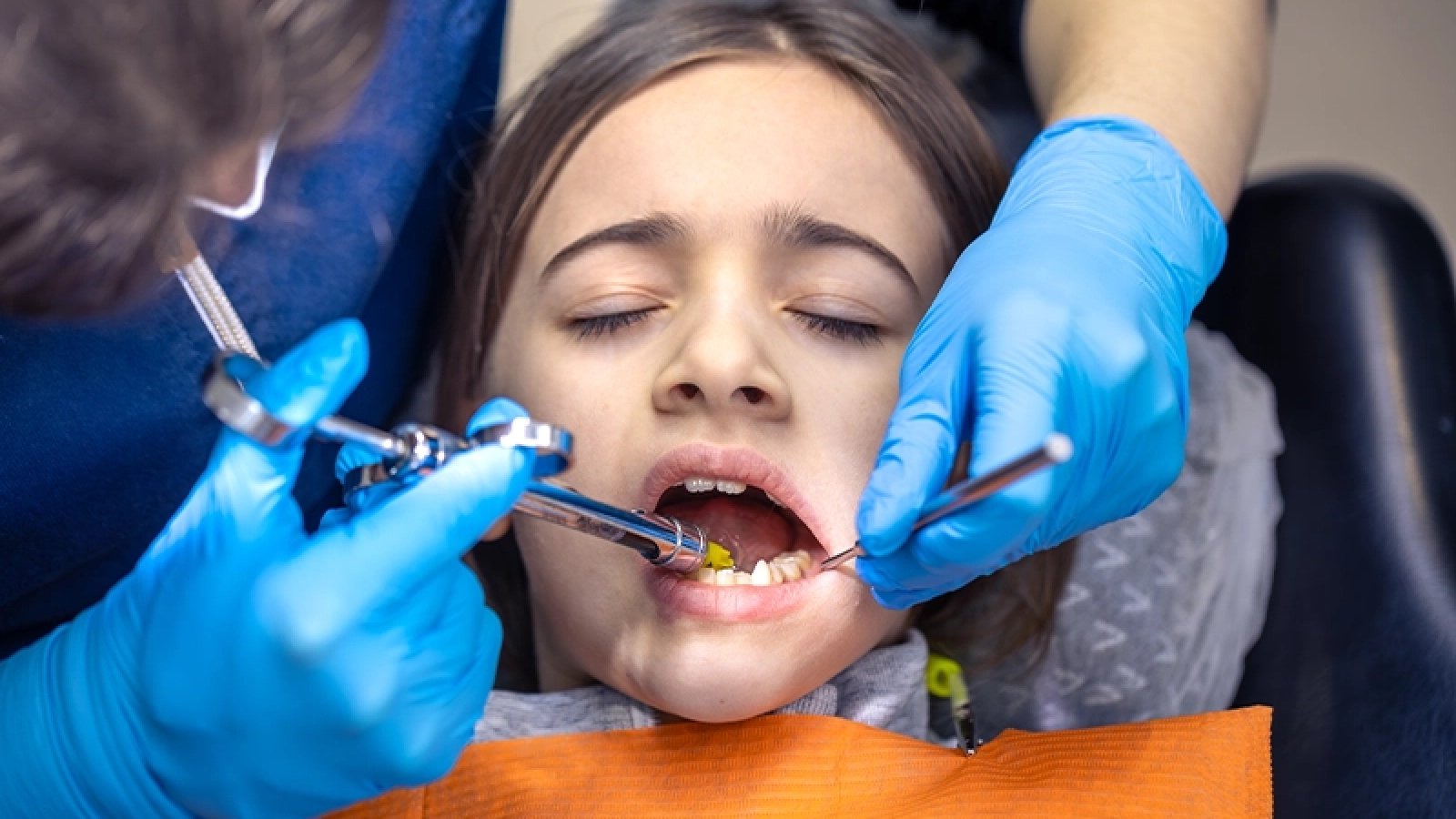
We often say childhood is the golden era. We have all the fun we want and let our parents handle the rest. But little do we know that all the sugary foods, poor brushing, and thumb sucking during the teeth-developing stage can create common dental problems in children like cavities, tooth sensitivity, bad breath and other problems.
‘Why do children need early pediatric oral health prevention?’ is a common doubt new parents have during their kid’s childhood. Well, teeth removal isn’t the only dental care your child needs. A regular early dental check-up can help identify potential dental issues caused by daily habits or genetics.
Basic hygienic habits, such as brushing, flossing, a balanced diet, and routine dental check-ups, will protect your oral health for a long period.
Tooth Decay and Cavities in Children
Cavities result from plaque buildup caused by sweets, improper brushing habits, and frequent snacking. The bacteria in the plaque buildup create enamel-damaging acids. Leaving them untreated could result in pain, infection, eating difficulty, speech problems, and premature loss of milk teeth, which affects the permanent teeth’s development.
Some symptoms of tooth decay include tooth pain, sensitivity, visible holes or dark spots on teeth, bad breath, and chewing difficulty.
Using fluoride toothpaste to brush twice, reducing sugary snacks and drinks intake, following a balanced diet, and scheduling routine dental check-ups with a pediatric dentist Kochi are basic preventive measures you can follow.
Gum Problems in Children
The most common gum problem for children is Gingivitis or early gum inflammation. The causes include poor brushing and flossing, sugary foods, breathing through the mouth, orthodontic appliances, and poor nutrition. All these poor hygienic practices contribute highly to gum issues.
You can spot gum problems through bleeding gums while brushing or eating, redness, swelling, bad breath, gum tenderness, or gum recession.
Regular two-time brushing, flossing, and following a balanced, low-sugar diet will maintain your gum health.
Orthodontic Issues in Children
Crooked teeth, crowding, gaps, overbite, underbite, crossbite, and jaw alignment are the potential orthodontic issues in children. The reasons could be genetics, milk tooth loss at a premature stage, delayed tooth eruption, or a lack of jaw space.
Oral habits can create jaw growth and tooth positioning, which could cause bite issues. If your child does thumb sucking, tongue thrusting, and depends on a pacifier for a prolonged time period.
An early orthodontic check-up by the best orthodontist in Kochi will help you identify the triggering factors for orthodontic issues and give you the necessary guidance.
Tooth Sensitivity and Enamel Damage
Poor brushing habits, triggering foods (sugary snacks, acidic drinks, and sticky candies), and daily habits such as teeth grinding, nail biting, and harsh brushing create tooth sensitivity and enamel damage. All these traumas expose the nerves underneath and make it hard to eat hot or cold foods and drinks.
Effective pediatric oral health prevention measures include daily brushing with fluoride toothpaste and a soft-bristle toothbrush, reducing sugary and acidic foods, and following routine dental check-ups.
Teeth Grinding (Bruxism)
Teeth grinding, also known as bruxism, is something we do unconsciously. When children feel stressed, anxious, or experience other emotional changes, misalignment, sleep issues, or other peculiar habits, it can cause teeth grinding.
Parents, you should check whether your child is grinding or clenching their teeth while sleeping, complaining of jaw pain, headaches, or tooth sensitivity, or has any worn, flattened, or chipped teeth over time.
Teeth grinding causes: enamel wear, teeth sensitivity, jaw discomfort, muscle strain, and other jaw joint function problems.
This can be treated in three ways: setting up a calm bedtime routine and healthy habits, consulting the best dental clinic Kochi, and wearing a night guard if your pediatric dentist prescribes one.
Bad Breath and Poor Oral Hygiene in Children
Improper brushing habits, food particles trapped between teeth, dry mouth, cavities, and the accumulated tongue bacteria are the major issues that create bad breath for children.
Now, if you are thinking, why is oral hygiene an important concern this early? It is because, just like adults, children also have the risk of tooth decay, gum problems, and foul odour.
Some warnings to look out for are bad breath, yellow plaque buildup, bleeding gums, cavities, tooth sensitivity, and being hesitant to brush daily.
Basic oral health practices will keep your oral health on top in the long term. These include daily brushing, tongue cleaning, flossing, drinking water, and routine check-ups.
Healthy Habits for Better Oral Health
The pediatric dentist Kochi recommends these basic oral habits for your kids’ better oral hygiene:
- Brush the teeth twice a day with fluoride toothpaste and a soft-bristle brush. Also, regularly floss the teeth to prevent plaque, cavities, and gum disease.
- Include a balanced diet consisting of fruits and vegetables that are low in sugar but high in calcium.
- Systematically follow the check-ups for pediatric oral health prevention. These check-ups will spot potential oral issues and maintain hygiene through professional cleaning.
- Follow the basic oral habits, such as drinking enough water, changing toothbrush periodically, and other habits.
FAQs
Cavities, tooth decay, gum problems, and misaligned teeth are the most common dental issues in children. These could be caused by poor oral hygiene and sugary foods.
The signs include tooth pain, sensitivity, bleeding gums, bad breath, and difficulty chewing. Other signs could be white or brown spots on teeth, which may also signal early decay.
Foods rich in calcium and vitamins, like milk, cheese, fruits, vegetables, and nuts, help strengthen teeth. Reducing sugary snacks and drinks also maintains oral health.
Yes, untreated cavities in baby teeth can spread infection and affect the development of permanent teeth. Treating them early guarantees a future with good oral health.
Every 6 months is an ideal time period for routine pediatric check-ups and cleanings. Regular visits help detect and prevent dental problems early.