

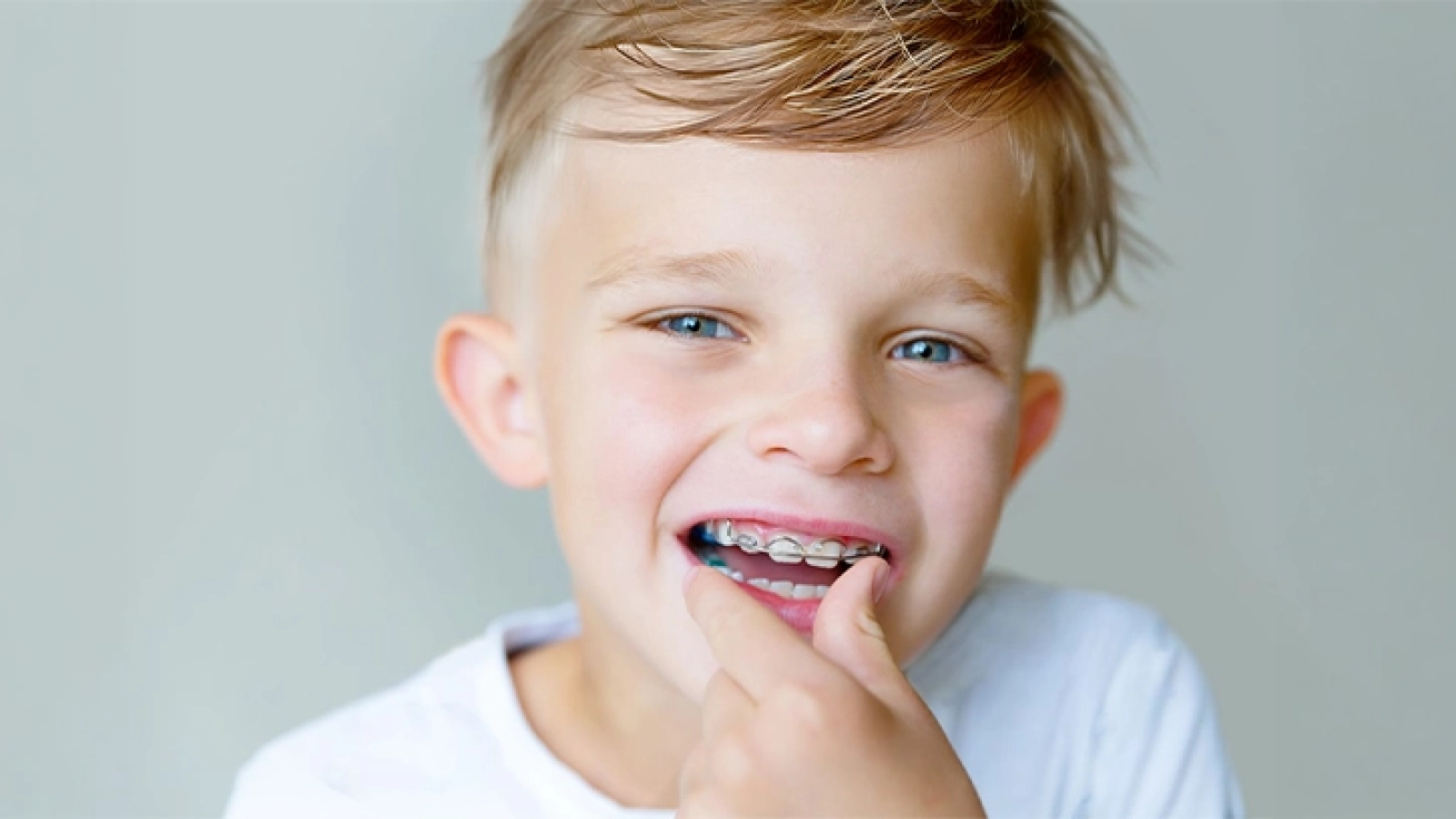
Are you someone who dreams of a chiselled jawline like Hrithik Roshan or Deepika Padukone but can’t achieve it due to untreated jawline alignment issues? Then you must have silently neglected an alignment issue, which was overlooked due to a lack of obvious or common symptoms. Neglecting it until it becomes a serious and noticeable issue can affect your overall oral health.
Now, how do jaw alignment problems in children affect their overall oral health? Jaw movement and teeth positioning can create bite problems, uneven tooth wear, difficulty chewing, and other dental complications.
These issues can be identified and treated by dento facial orthopaedics in kochi. Their routine is a timely intervention that can save you from expensive, drastic treatments in the future. Keep reading to know more.
What Is a Jaw Alignment Problem in Children?
Jaw alignment problems in children are improperly aligned upper and lower jaws, crooked teeth, overbite, underbite, and crossbite. These issues affect your chewing, speaking, and facial symmetry.
One important fact to note is that crooked teeth and jaw alignment are not the same. Crooked teeth happen due to the positioning of the teeth, while jaw alignment happens due to any issues in the upper or lower jaw. So, if you are under the impression that a straight jaw will not have any oral issues, then you are wrong. A straight jaw can have bite issues due to improper jaw growth.
A proper jaw growth lays the foundation for balanced facial features and an effective bite. Improper growth can affect your appearance, chewing efficiency, speech, and overall oral health.
Early Signs of Jaw Misalignment Parents Often Overlook
Children with jaw misalignments often have symptoms that are disguised as flimsy issues. They are:
Difficulty in Chewing or Biting Food – This issue will compel them to chew on one side or avoid certain triggering foods.
Frequent Mouth Breathing – It might happen due to any underlying orthodontic or airway-related issues. This can gradually affect jaw and facial development.
Speech and Pronunciation Difficulties – This can create tongue placement, which will create difficulty in certain pronunciations.
Uneven Facial Appearance or Jaw Movement – This results in facial asymmetry or uneven jaw movement while speaking, chewing, or opening.
Persistent Thumb Sucking or Oral Habits Affecting Jaw Growth – This activity affects jaw development and tooth positioning.
Clicking or Discomfort in the Jaw Area – Clicking sounds, jaw stiffness, or discomfort while opening and closing the mouth come under this issue. A proper inspection can solve this issue.
Common Jaw Alignment Problems Seen in Children
Overbite
When the upper front teeth overlap the lower front teeth excessively, even with your mouth closed, it is called an overbite in children.
The effects include gradual, excessive tooth wear, jaw discomfort, chewing difficulties, and facial appearance.
Timely intervention by the best orthodontist in kochi will guide you through proper jaw growth and alignment.
Underbite
Some causes of an underbite are genetic factors, delayed or abnormal jaw development, and certain childhood habits or medical conditions that affect facial growth.
There are four possible after effects of this issue: weak biting and chewing, extra stress on jaw joints and muscles, and changes in facial balance, making the lower jaw more prominent.
Timely consultation with an orthodontist improves the jaw function and appearance.
Crossbite
Some associated symptoms are upper teeth fitting behind the lower teeth when the mouth is closed, children shifting their jaw to one side while closing their mouth, and uneven tooth wear or difficulty chewing on one side.
The possible outcomes if left untreated are uneven jaw growth, increased tooth wear and gum recession, bite problems, and jaw discomfort.
The best orthodontist in kochi’s preventive care can protect from complicated orthodontic treatment in the future.
Open Bite
An open bite is connected with general habits such as prolonged thumb sucking, pacifier use, or tongue thrusting. This can result in two ways. One, it can affect the development of teeth and jaws. Two, it can create different impacts on speech and eating. They include difficulty biting, pronouncing certain sounds, inefficient chewing, and swallowing patterns.
Correcting these oral habits under the professional guidance of an orthodontist will effectively solve open bite issues.
What Causes Jaw Growth Problems in Children?
There are five common causes for jaw alignment problems in children:
Genetic and Hereditary Factors
Jaw size, shape, facial growth patterns, overbites, underbites, or jaw discrepancies can be inherited from your parents.
Prolonged Thumb Sucking and Pacifier Use
Thumb sucking and pacifier use for longer than necessary can pressurise on the developing teeth and jaws. These issues end up affecting the jaw alignment and bite problems.
Mouth Breathing and Airway Concerns
Mouth breathing and airway issues create different issues. Chronic mouth breathing affects normal growth and jaw and facial bone positioning. Airway issues such as enlarged adenoids or nasal blockages can create improper jaw development.
Early Loss of Baby Teeth
Baby teeth should ideally fall out around age six. If they fall out before that due to decay or injury, it can affect jaw development and crowding or misalignment.
Developmental Factors
Significant differences in bone growth and facial development can affect the alignment of the upper and lower jaws.
The most practical and beneficial preventive measure to identify these causes and protect your children’s teeth from further issues is to have routine check-ups with dento facial orthopedics in kochi.
How Jaw Alignment Problems Can Affect a Child’s Development
Jaw alignment can affect a child’s development in five ways:
- Impact on chewing and digestion.
- Effects on speech development.
- Influence on facial symmetry and appearance.
- Potential impact on self-confidence.
- Increased risk of future orthodontic complications.
When Should Parents Seek an Orthodontic Evaluation?
A dental check-up shouldn’t be done when your child’s first tooth falls out or experiences tooth pain. There are some standard situations for a check-up. They are:
- When a child turns seven. Assessments at this age will be easier to identify any developing issues.
- If your child has any crowded, crooked, or protruding teeth.
- If your child finds biting, chewing, or speaking difficult.
- If your child has lost teeth before the ideal fall-out time period due to any injury.
- When they follow stubborn oral habits such as mouth breathing or thumb sucking.
- Having issues such as an uneven jaw, shifting during chewing, or making clicking sounds.
How do dental visits play a role in detecting jaw alignment problems in children? Dentists can monitor tooth eruption and jaw development, which helps in identifying potential orthodontic issues. This will help dentists suggest the best treatment outcomes.
Taking your child to a regular dental appointment with the best orthodontist in kochi helps your kid’s jaw in four ways: guides the jaw development during the bone growth, reduces orthodontic problems in the future, minimises the chance for complex issues and treatments in the long run, and enhances facial balance and the overall oral function.
Treatment Options for Jaw Alignment Problems in Children
Growth Guidance and Dentofacial Orthopaedics
These treatments focus on jaw growth during its development to correct developing jaw discrepancies. Benefits include improved jaw alignment, reducing the necessity for future complicated treatments, supporting balanced facial development, and making space for proper tooth eruption.
Orthodontic Appliances
Commonly used appliances are palatal expanders, functional appliances, space maintainers, and habit-breaking devices. These focus on proper jaw growth and tooth positioning. These appliances treat developing bite problems, improve jaw relationships, create adequate space for permanent teeth, and support healthy oral function.
Comprehensive Orthodontic Treatment
The treatment could include braces or clear aligners. They correct the remaining alignment issues, bite irregularities, or spacing concerns. Each child’s oral health is different from that of others. So, dental treatments should be personalized. It should be customised based on their age, growth pattern, dental condition, and orthodontic needs for lasting results.
Supporting Healthy Jaw Development at Home
You can follow some of these effective home jaw development practices at home:
- Teaching healthy oral habits from an early age. It strengthens healthy teeth and jaw development.
- Consulting on mouth breathing issues at the earliest to prevent long-term issues.
- Managing oral habits like thumb sucking, excessive pacifier use, and tongue thrusting. Limiting these habits maintains proper oral development.
- Maintaining routine dental check-ups will identify any potential problems while monitoring the jaw growth, tooth eruption, and bite development.
- Including calcium, vitamin D and other essential nutrients for strong teeth, healthy bones, and proper jaw growth.
Conclusion
Jaw alignment problems in children progress over a certain time period. So, do its treatments. The sooner you notice the subtle and common symptoms and address them to the dento facial orthopaedics in kochi, the simpler and faster the treatments and results become.
Now that you’ve read the importance and benefits of consulting a dentist, have you started looking for the right dentist? Dr Bobby’s Dental Clinic, the Best dental clinic Kochi, will guide your child’s proper jaw development. Call us at +91 8078961273 or visit our clinic at Kadavanthra.