

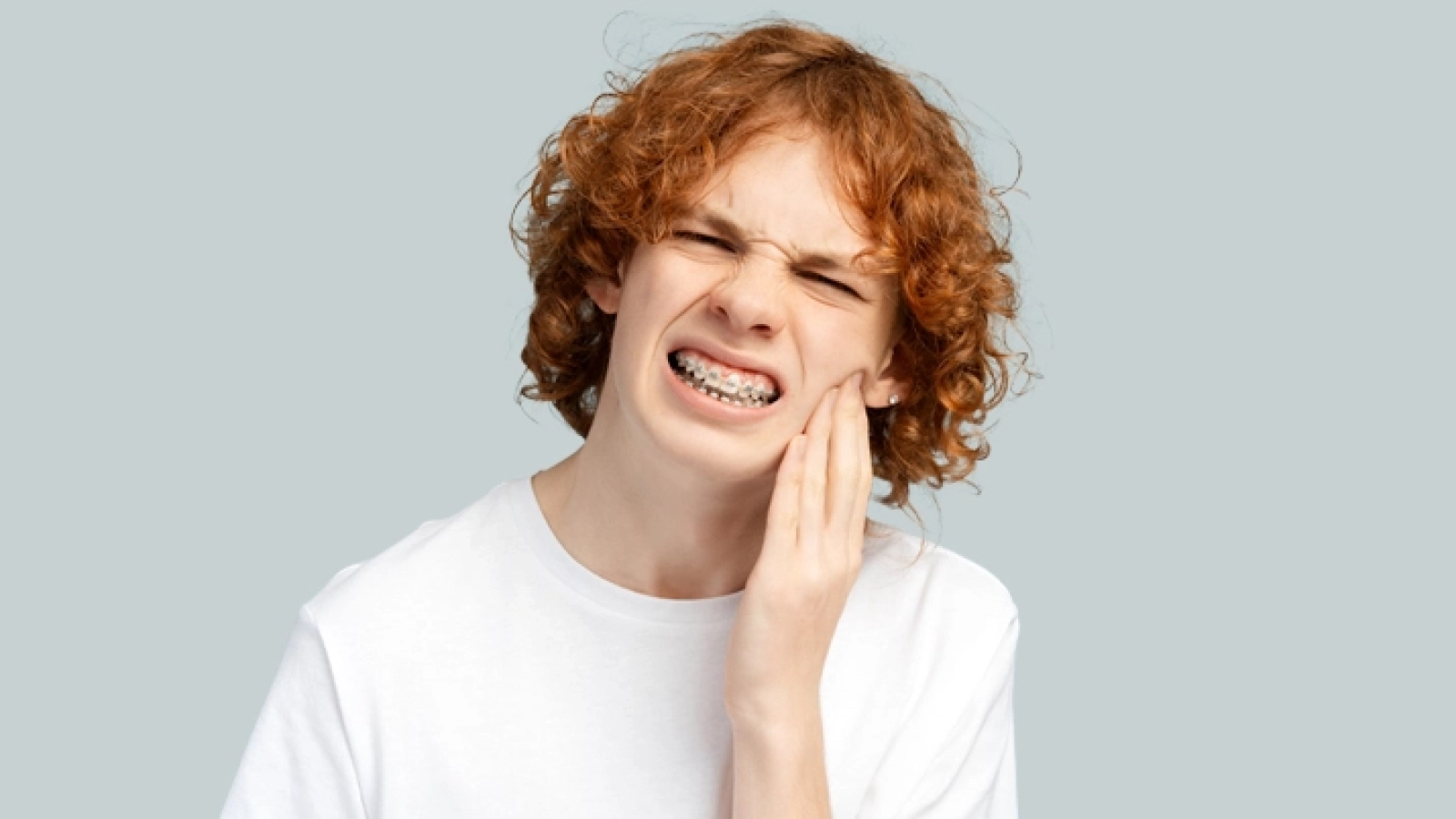
It is common for people to reject braces in the first place. If you ask anyone about the comfort level of wearing braces, you’ll get a popular, unified answer – moderate discomfort. This level of discomfort is just in the beginning. When your mouth adapts to the changes, the discomfort gradually changes to comfort.
Do you know some easy home care tips can turn that discomfort into comfort? Yes, they do! When you scroll down, you’ll find practical tips for reducing braces pain that reduce pain, protect your mouth, and make the whole braces journey comfortable.
Curious? Let’s dive right into it.
Why Do Braces Cause Pain?
The reason for the pain is the gentle, constant pressure and force for the teeth alignment. Along with the teeth, the surrounding bone and tissues also shift to adapt to the new positions. The force behind this shift can irritate the supporting tissues, creating mild soreness or sensitivity.
This is the initial week scenario of wearing the braces. The discomfort level changes after the tightening and archwire changing during the orthodontic visit. When the brackets are first installed, you will feel an irritation inside the cheeks or lips, which causes minor soreness or ulcers.
Tips for Reducing Braces Pain and Discomfort
There are nine simple home tips for reducing braces pain:
Eat Soft Foods –Soft food items like yoghurt, mashed potatoes, soup, rice, scrambled eggs, and smoothies are easy to chew because it reduces pressure on sore teeth. Chewing on hard, crunchy, sticky, or chewy foods can damage the brackets, which causes discomfort.
Use Orthodontic Wax – An orthodontic wax works as a smooth barrier to reduce irritation and prevent mouth sores. So, apply it over the brackets or wires that rub against your cheek or lips. When it wears or falls off, replace it.
Ulcer Healing Gel or Mouthwash- If you have an ulcer in a specific region, using a gel is recommended as it works best for a single ulcer in one location. Mouthwash is highly recommended for healing more than one ulcer, and it reduces the pain.
Rinse with Warm Salt Water – Swishing a glass of warm water with half a teaspoon of salt reduces gum inflammation. Do this for about thirty seconds for effective results.
Apply a Cold Compress – Place a cold compress for 10-15 minutes on the cheek where you feel the discomfort. This cold therapy reduces swelling and temporarily numbs the pain.
Take Pain Relief if Recommended – Pain relief medicine (Analgesic) is generally recommended only at the start by the Orthodontist. Taking dentist-prescribed painkillers reduces tooth movement, so it can affect orthodontic treatment. Follow the dosage and avoid altering it on your own terms.
MaintainGood Oral Hygiene – Maintain brushing and flossing, but use soft, gentle products carefully. When using the products, keep in mind that the brackets and wires should be cleaned without irritating the sensitive teeth and gums.
Stay Hydrated – Drinking plenty of water reduces dryness and irritation, washes away food particles and bacteria, and keeps your mouth clean and moist.
Give Your Mouth Time to Adjust – Mild soreness and discomfort are normal while the mouth adjusts to the new braces. So, be patient and follow your orthodontist’s instructions.
Foods to Avoid While Wearing Braces
With the brackets and wires attached to the teeth, you must be mindful of what you eat. Make sure to avoid:
- Hard Candies – This can crack brackets or bend the wires.
- Ice Cubes – It puts extra pressure and damage the braces.
- Nuts – Chewing hard nuts can loosen or break the braces.
- Popcorn – Unpopped kernels cause damage, while husks get trapped and irritate the gums.
- Sticky Candies – Caramels and toffees pull off brackets and are hard to clean from braces.
- Chewing Gum – They stick to brackets and wires. Removing them from the brackets increases the risk of damage.
- Hard Chips – They can break brackets or distort the wires.
- Whole Fruits – Biting them can strain or damage the braces. Eating them as small bite-sized pieces is a safer option.
When Should You Contact Your Orthodontist?
Five situations signal the need for an appointment at the best dental clinic in Kochi: acute pain that does not heal, broken brackets or loose wires, wires poking the cheeks or gums, swelling, infection, or bleeding, and unhealed mouth sores.
When you first use braces, mild discomfort is normal, which can prolong till some adjustments. But even after the initial adjustments, if you have acute or persistent pain, only an orthodontist can prescribe a braces pain relief.
Braces’ brackets and wires tend to get damaged or loose due to chewing. The broken brackets or loose wires can affect your treatment. If the wires poke your cheeks or gums, they can cause irritation, cuts, or discomfort.
If you have any swelling, persistent bleeding, or signs of infection around the gums or braces that do not match the signs your orthodontist described, then you should book an appointment at the earliest.
Just like the initial discomfort, a minor mouth sore is common. But when it prolongs and becomes an unhealed mouth sore, it needs immediate medical attention.
Conclusion
If you’re hesitant to get braces treatment because of the discomfort, then you should think twice. Because braces pain relief isn’t just an orthodontist’s prescription, it could also be simple home tricks.
Controlling your diet and following your routine check-ups at the dental clinic for braces are the key. They reduce discomfort and make your oral health progress effective. This is a 50-50 work. The first 50% is how you maintain your braces, and the next 50% is the clinic and orthodontist you choose.
Dr Bobby’s Dental Clinic, the best dental clinic in Kadavanthra, have an experienced and expert orthodontic team that suggests braces treatment and ongoing support that works best for your braces issue. Call us at +91 8078961573 or visit our clinic at Kadavanthra.