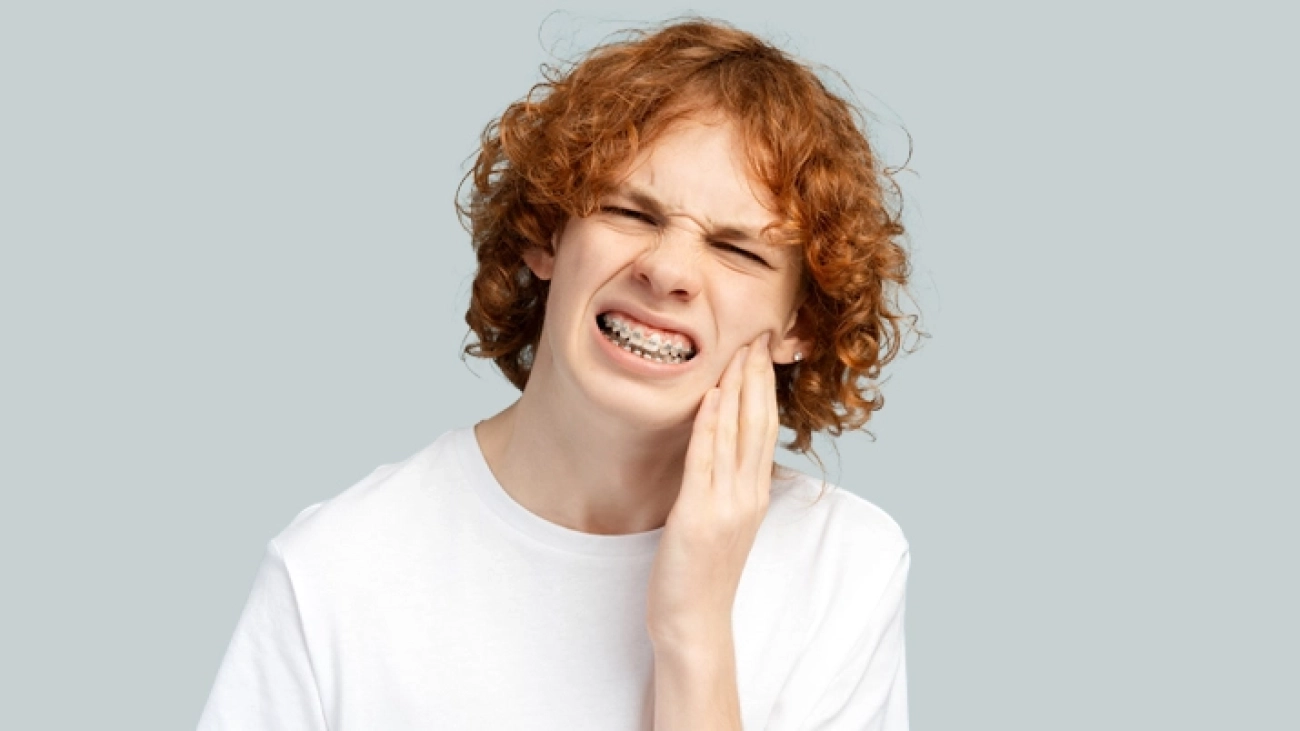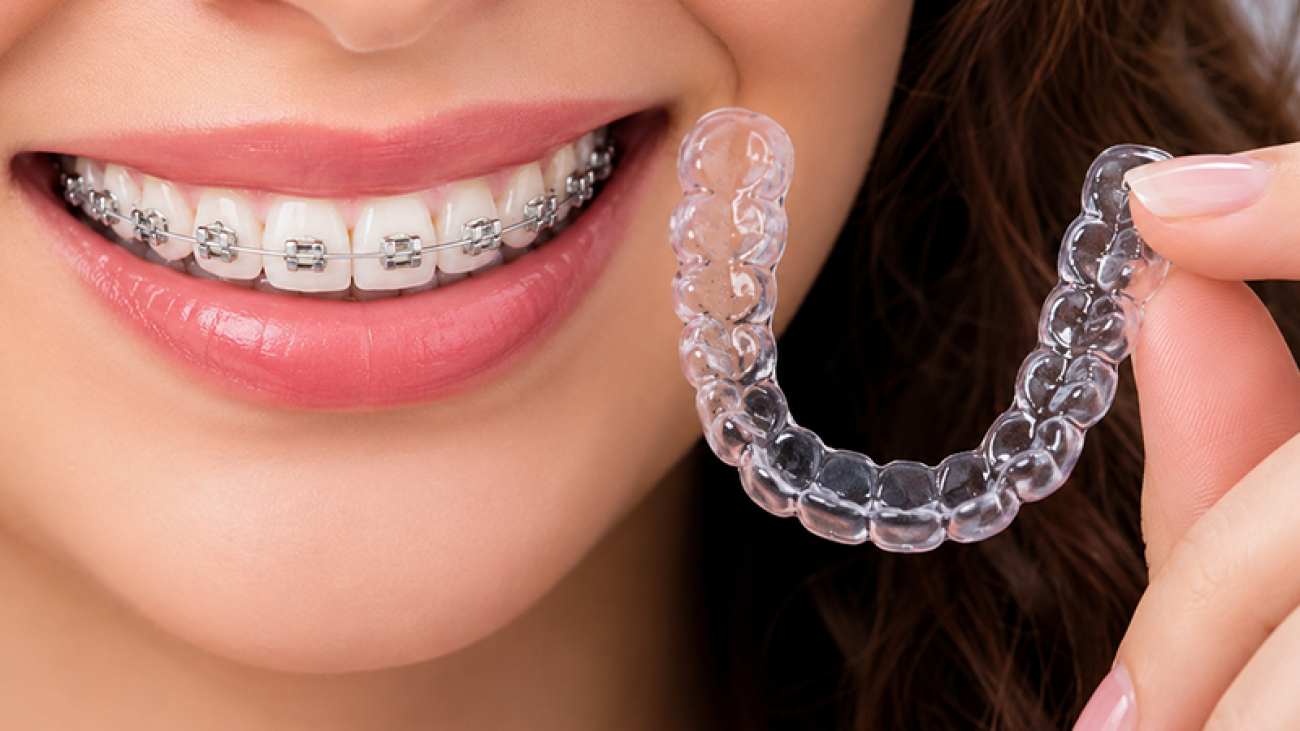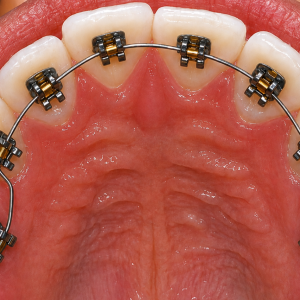


Teeth braces in Kochi are an orthodontic wonder. Like our parents, they put constant, gentle pressure on us to bring our teeth into proper alignment. But on that orthodontic journey, there are complications one must be aware of. You must be extremely hygienic in maintaining it.
When you fail to clean your mouth and braces daily, you are helping the plaque make a home there, leading to cavities, bad breath, gum disease, and permanent white stains on the teeth.
Want to know the best oral hygiene practices? Simple: brushing, flossing, eating the right food, and maintaining excellent oral hygiene. Knowing these terms isn’t enough; there are some practical tips to follow. Continue reading this guide to know them.
Why Oral Hygiene is Important with Dental Braces
Some dental braces are made in a complicated manner to achieve effective results. Since the making is complicated, oral hygiene with braces can be complicated too. Braces’ brackets and archwires have raised edges, nooks, and tight spaces that can easily trap food particles. The more time they are trapped there, the more plaque accumulates.
Rooting from plaque, four dental issues arise:
Tooth Decay – When the brackets and wires trap the food particles for a long time, enamel-eroding and cavity-causing acids are created.
Gum Swelling (Gingivitis) – This is the early stage of gum disease. When plaque builds up along the gum line, the gums become swollen, puffy, or dark red. While brushing or flossing, they can bleed easily.
Bad Breath – Trapped food particles create odour-producing bacteria and break down the food particles in the mouth.
White Spots (Decalcification): This comes in the earliest stage of tooth decay. During plaque buildup, plaque, sugar, and acids take away calcium and phosphate from the tooth enamel. This leaves the teeth with a chalky, opaque mark. They are commonly seen around braces brackets or at the gumline.
These issues indicate that a major dental issue is incoming. Plaque buildup and persistent gum inflammation can affect tooth movement, slowing down your overall orthodontic progress. You can solve these issues with the best oral hygiene practices, including simple home remedies. But the more you ignore them, the more complicated orthodontic treatments you must undergo.
Brush Your Teeth After Every Meal
This is one of the best oral hygiene practices we’ve been taught ever since we were six months old. Brushing in the morning cleans bacteria and plaque, which are multiplied overnight when saliva production drops. Other advantages include enamel protection, pre-meal defence, and saliva boost. Brushing at night is essential because saliva production drops by 90% during sleep. This can increase the risk of cavities, gum disease, and morning bad breath. Following this routine keeps your braces safe from plaque buildup.
Using any toothbrush will not protect your oral health. It should fit your mouth’s size and features. The bristles should be soft, and the head should reach your back molars comfortably. You should also be careful about how you hold it; it should be held at a 45° angle towards the gum line and brackets. That is where food particles tend to build up.
Your brushing should cover multiple areas, including the front and back surfaces, the chewing surface, and around brackets and wires.
At the front surface, plaque accumulates, creating decalcification and unsightly stains. You can prevent that by brushing that area at a 45° angle.
At the back surface (also known as the tongue-side or lingual surface), there is a chance for tartar buildup and bad breath. Here, you should tilt the brush vertically behind the front teeth and do up-and-down strokes.
The chewing surfaces, that is, the flat tops of the molars, have deep grooves and pits that trap sticky food particles. Here, you should firmly scrub back and forth.
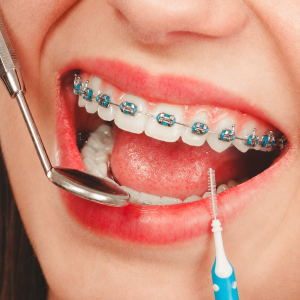
Regarding brackets and wires, food particles get trapped under the archwire. When they build into a plaque, it slowly moves your teeth, causing swollen gums. It is best to use an interdental brush (also known as a proxy brush or proxabrush) to gently sweep under the wire and around the brackets. The ideal time to brush daily is a full two minutes with 30-second intervals for each part.
Floss Every Day
Flossing removes trapped food particles and plaque trapped between teeth and around braces, where a toothbrush cannot reach. Doing it daily has different benefits: it lowers gum inflammation, reduces plaque buildup, and reduces bleeding gums and periodontal disease.
You should be mindful of the tools you use. The right tools include floss threaders, orthodontic floss, and water flossers. Using floss threaders makes it easier to clean under the wire of the braces. Orthodontic floss is made to clean around brackets and wires, whereas water flossers are an additional cleaning aid that flushes out food debris and bacteria.
Another thing to be mindful of is to be gentle while flossing. While you floss around brackets and wires, it is best to be gentle to avoid hurting your gums.
Use Fluoride Toothpaste and Mouthwash
Using fluoride toothpaste and mouthwash strengthens tooth enamel and prevents cavities. Fluoride strengthens tooth enamel to protect it from acid attacks and decay. It prevents cavities and white spot lesions by cleaning the trapped food and plaque around brackets and wires.
Coming to mouthwash, go for an alcohol-free mouthwash. It adds a protective layer against decay and is gentle on the mouth and gums. Consult with your orthodontist about using it. The general way to use it is by rinsing after brushing.
Avoid Foods That Can Damage Braces
One disadvantage of wearing braces is not being able to eat all the food varieties you like. There are some varieties you must avoid to protect your braces from damage.
The foods you must avoid are sticky candies, caramel, chewing gum, hard nuts, popcorn, ice cubes, and hard chocolates. Sticky candies stick to the brackets and wires, making them tougher to clean and easier to damage. Caramel sticks and loosens/bends the wires when you chew them. Chewing gum gets trapped around braces, which is hard to clean and damages them. Hard nuts can crack brackets and bend wires, which delays your orthodontic treatment. Popcorn kernels can get trapped between the braces and teeth; if bitten accidentally, they will break the brackets. Ice cubes can damage brackets, wires and chip or crack teeth. Hard chocolates can put pressure on braces and cause them to break. There are some foods you can eat, including soft fruits, yoghurt, rice, pasta, cooked vegetables, and eggs.
Drink More Water
Drinking water washes away the food particles, reduces bacteria, and keeps the mouth hydrated. This reduces the risk of plaque buildup, tooth decay, bad breath, gum disease, and protects teeth by neutralising acids and washing away harmful bacteria.
If you can’t brush right after meals, rinse your mouth with water. This removes food remnants and maintains your oral hygiene with braces until you can brush.
Keep Your Orthodontic Appointments
If you want your orthodontic treatments to work out, you must follow some steps:
- Tighten and Adjust Braces – Ensures your teeth are moving towards the correct position.
- Check Your Oral Health – Prevents complications during treatment.
- Remove Plaque Buildup – reduces the risk of tooth decay.
- Monitor Treatment Progress – Tracks how the teeth respond to the treatment and makes changes accordingly.
- Never Skip Scheduled Appointments – Affects the desired outcome and increases the risk of dental problems.
Extra Tips for Better Braces Care
Some extra tips for Oral hygiene with braces include replacing your toothbrush every three months, carrying a travel toothbrush, avoiding biting fingernails or pens, wearing orthodontic wax for irritation, using an interdental brush to clean between brackets, and limiting sugary snacks and soft drinks.
Conclusion
You flash a bright and confident smile when your gums and teeth are healthy. Sometimes, your gums might show early signs of dental issues that can be treated with basic preventive care or timely orthodontic treatment at a dental clinic for braces. For that, you should identify the symptoms such as bleeding gums, swelling, bad breath, or gum recession. These issues could be an onset of an advanced gum disease.
Dr Bobby’s Dental Clinic is the best dental clinic in Kadavanthra, with an experienced and expert orthodontic team that solves your dental issues through comprehensive periodontal care, advanced technology and personalised treatment plans. Call us at +91 8078961573 or visit our clinic at Kadavanthra.