

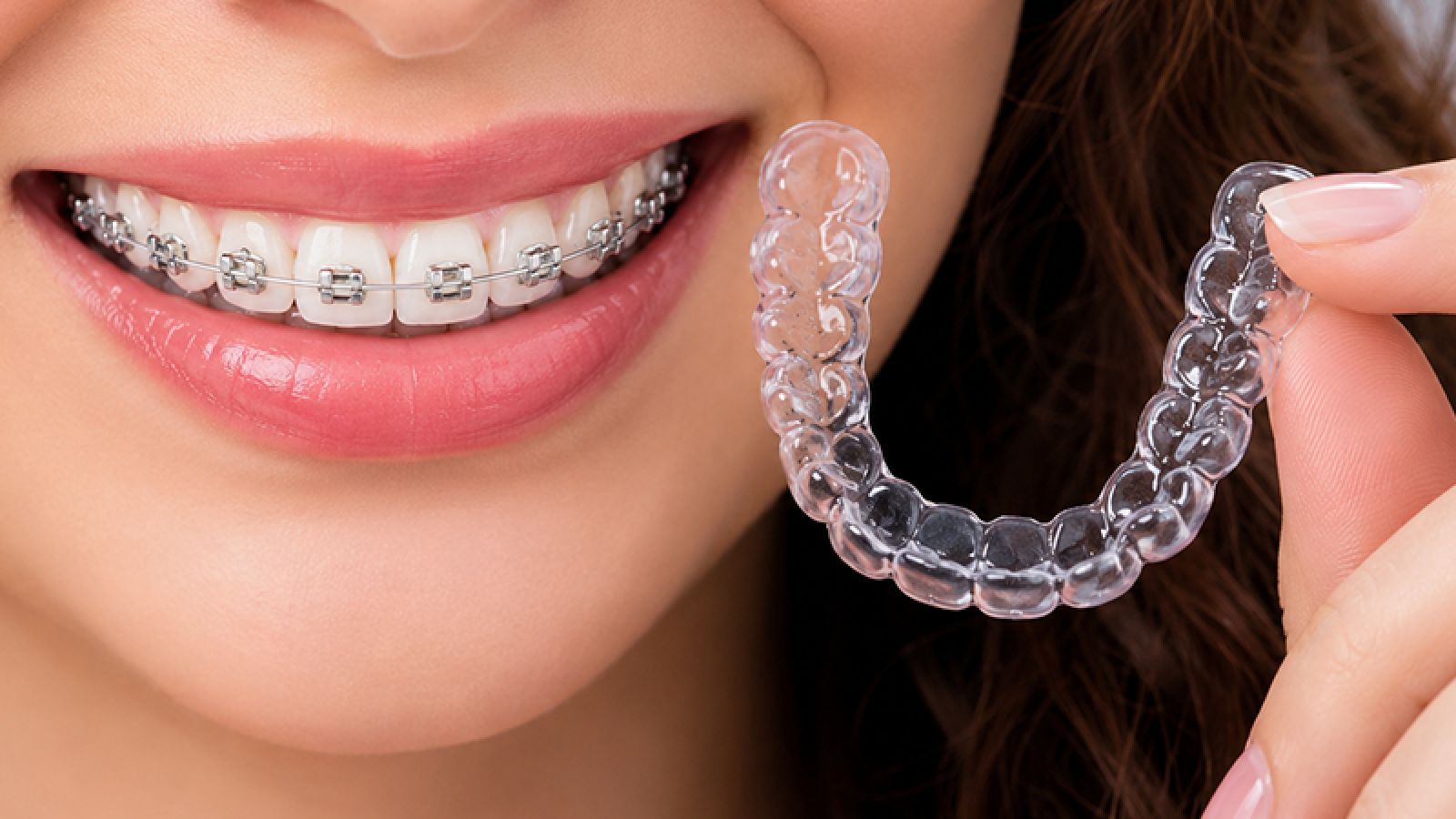
Dental braces are orthodontic devices that you have seen very commonly on a major share of people we see daily. They use gentle pressure to solve your dental issues like alignment, crowded teeth, gaps and many more.
It is a common misconception that braces are used for aesthetic purposes only, to make your smile more appealing. Although it is one of the several other reasons, braces are mainly used to improve your oral hygiene, functioning, and comfort.
Braces help you in two ways. It straightens your teeth and helps lower the risk of cavities, gum disease, plaque buildup, jaw strain, and uneven tooth wear. Straight teeth are easier to clean and keep healthy every day. Along with better oral health, braces also give you a brighter smile and more confidence.
For each dental issue and your aesthetics, orthodontics has developed different types of braces such as metal, ceramic, Clear Aligner, and many more. To find the one, you need to look at your lifestyle, budget, treatment goals, and aesthetic needs. The best choice is often recommended by an orthodontist.
What Are Dental Braces?
Dental braces are orthodontic devices used to solve alignment and bite issues with a gentle and controlled pressure. Commonly solved issues are crooked, crowded teeth, gaps between teeth, and bite issues.
Using braces will give you straight-aligned teeth that are easier to clean, giving no chance for cavities, gum disease, and uneven tooth wear.
The braces will be selected and placed by an orthodontist based on the results of scans or X-rays. During the treatment, consistent alterations will be made based on the tooth movement for effective and long-term results.
Why Choosing the Right Braces Matters
They matter for four reasons:
- Each type offers different comfort levels. Some can restrict your eating and speaking, and make it difficult to maintain oral hygiene. The right type will make the functioning and maintenance smooth.
- Some are noticeable. Discreet options include ceramic braces and clear aligners. These keep the treatment discreet and give your smile a natural look.
- Different types of braces have different treatment durations. Based on the severity of your issue, choose the most appropriate braces for predictable and better results.
- Braces can alter our daily activities on a huge level. So make a personalised choice aligning with your comfort, consistency, lifestyle, budget, and other factors.
Types of Braces
Metal Braces
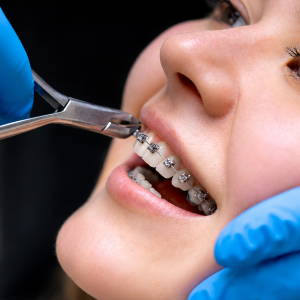
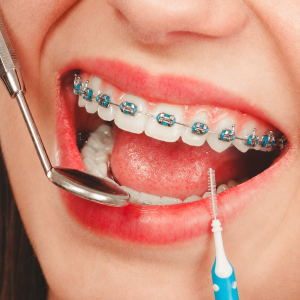
This is the traditional and commonly found type of dental braces. The stainless steel brackets make the whole formation strong, durable, and effective for severe alignment and bite issues.
Every 4 weeks, an adjustment appointment is necessary. This is the most affordable option.
Ceramic Braces
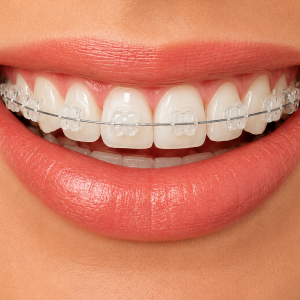
Ceramic or tooth-coloured brackets give a subtle appearance. It is similar to metal braces in functioning, but different in appearance. This works best for those who focus on aesthetics and do not prefer lingual braces or aligners.
Lingual Braces
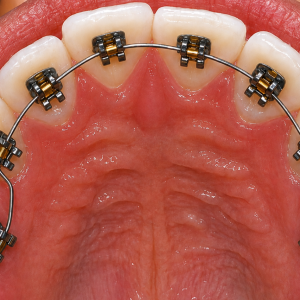
Lingual means anything situated near the tongue. So, lingual braces are braces placed behind the teeth. If you are someone who needs braces for treatment, but do not want people to notice them, then this works best for you. The placement complexity makes it an underrated choice.
Self-Ligating Braces
Self-ligating braces are braces that use built-in clips to hold the wire instead of elastic bands. They are both available in metal and ceramic styles. They are engineered to lower the friction and enhance the comfort.
Clear Aligners
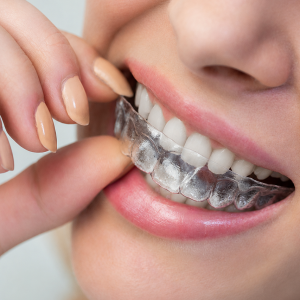
They are transparent, easy-to-use trays that gradually straighten teeth. They are the best transparent aligners for their almost invisible appearance. All it takes is consistency for the best and long-term results.
Comparison of Different Types of Braces
The best teeth braces are compared based on their visibility, comfort and convenience, maintenance, cost, and suitability.
1. Metal Braces
- Visibility – Metal brackets and wires are highly visible.
- Comfort and Convenience – Slight discomfort post-adjustment.
- Maintenance – Careful brushing around brackets and wires.
- Cost – Most affordable.
- Suitability – Mild to severe alignment and bite issues.
2. Ceramic Braces
- Visibility – Brackets match the tooth colour, which makes it less visible.
- Comfort and Convenience – Smoother appearance, but functions similarly to metal braces.
- Maintenance – Regular cleaning to avoid staining.
- Cost – More expensive than metal braces.
- Suitability – For complex corrections with aesthetic preference.
3. Lingual Braces
- Visibility – Not visible on the front, as it is kept behind the teeth.
- Comfort and Convenience – Affects speech for a brief period as the braces are placed towards the tongue side of teeth.
- Maintenance – Hard to clean due to the placement.
- Cost – Depends on the material, but comes between mid and premium.
- Suitability – For alignment issues and discreet treatment.
4. Self-Ligating Braces
- Visibility – Considerable visibility due to metal and ceramic materials.
- Comfort and Convenience – Feels more comfortable.
- Maintenance – Easier cleaning compared to traditional braces.
- Cost – Depends on the material, but comes between mid and premium.
- Suitability – For mild to complex orthodontic cases.
5. Clear Aligners
- Visibility – Almost invisible and discreet.
- Comfort and Convenience – Smooth and convenient to remove for eating or brushing.
- Maintenance – Systematic cleaning and wearing.
- Cost – Premium compared to traditional braces.
- Suitability – Mild to moderate alignment issues, could be used for complicated cases too.
How to Choose the Best Braces for You
With several types of teeth braces in the market, you have to carefully choose which one works the best for you. The factors you need to consider are: dental issues, lifestyle, budget, and your orthodontist’s consultation.
Crowding, spacing, bite problems, and alignment issues are the dental issues that determine the appropriate type of braces. Next, you should check with work, social life, eating habits, and commitments that come under your lifestyle.
Each type of brace comes with a cost. The materials, customisation, and treatment complexity will affect your budget.
Considering all these factors, your orthodontist in Kochi will recommend the right braces and treatment.
Tips for Taking Care of Braces
Some tips for braces maintenance are:
- Following a systematic oral hygiene routine.
- Avoiding braces-damaging food items.
- Following your orthodontist’s guidelines.
- Continuing scheduled check-ups with your orthodontist.
Conclusion
As explained earlier, five different types of braces can solve different dental issues for the long term, aesthetically and effectively. Before you choose an aesthetically pleasing brace, you should consult with your orthodontist about your dental health, eating habits, and budget. These factors can heavily influence the decision to choose the right type of braces.
The right type is always chosen by an orthodontist. Dr Bobby’s Dental Clinic’s expert and experienced orthodontists will examine and choose the best teeth braces for your dental issue and budget. Call us at +91 8078961573 or visit our clinic at Kadavanthra.