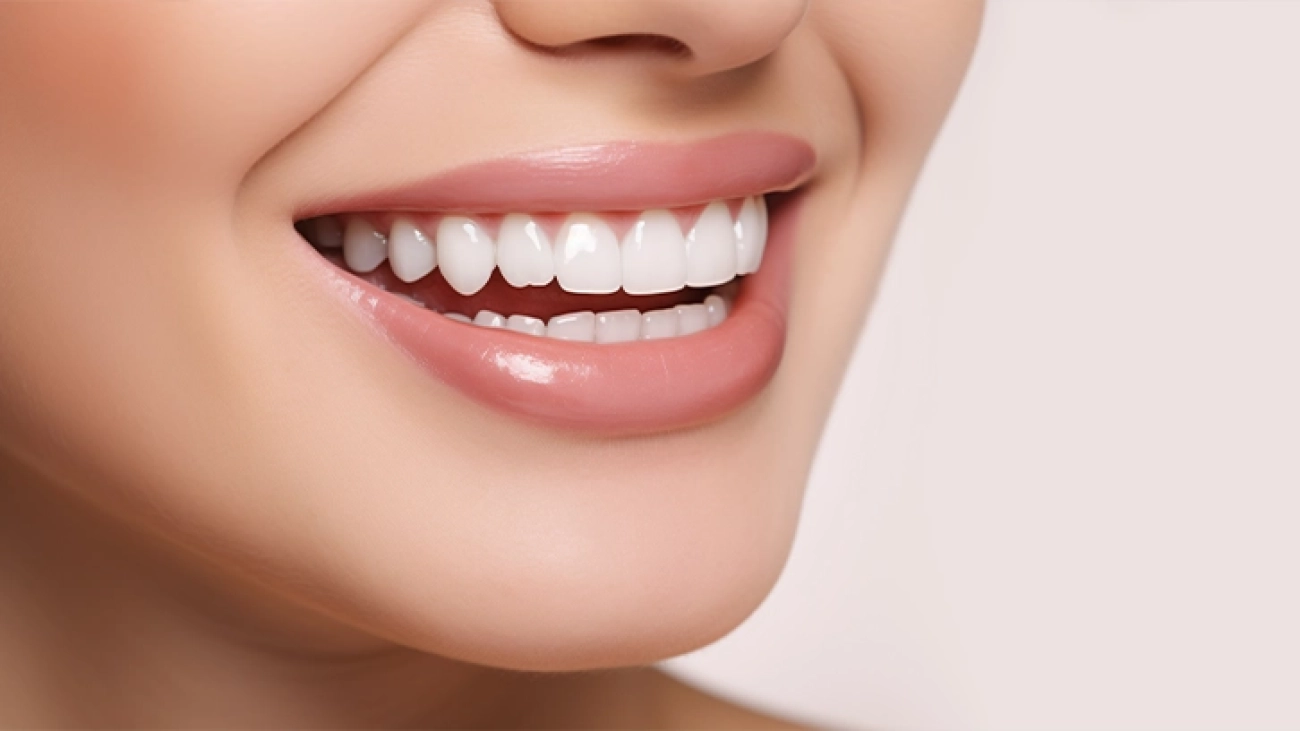


Is plastic surgery the first thing that comes to mind when you hear ‘smile makeover’? If yes, you’re not entirely wrong. The difference is that these treatments focus on recovery, functional benefits, and dentist supervision. A smile makeover combines different treatments to improve your smile’s health and appearance.
The main smile makeover treatments include teeth whitening, dental veneers, composite bonding, clear aligners, dental implants or bridges, and gum contouring. Want ot know how they work? Keep reading.
What Is a Smile Makeover?
A smile makeover is a customised treatment that combines multiple cosmetic and restorative dental procedures to enhance appearance and function. The treatments include teeth whitening, dental veneers, orthodontics, dental implants or bridges, and gum contouring.
Dentists prescribe treatments based on factors such as initial shade, alignment and spacing, shape, health, symmetry, bite and jaw function, structure and damage, facial proportions, and the patient’s goals and lifestyle. The five makeover treatments tailor their approaches to these factors.
Treatments Commonly Involved in a Smile Makeover
Teeth Whitening
Teeth whitening is often the simplest in the smile makeover treatments. This dental procedure lightens the teeth’s natural colour and removes deep discolouration with medical-grade bleaching agents supervised by dentists. High-concentration bleaching gels do the whitening work here. Hydrogen peroxide or carbamide peroxide releases oxygen, which enters the hard outer enamel and the inner dentin layer. The oxygen breaks down the stain molecules to whiten the teeth.
Common causes for staining are pigmented foods and drinks (coffee, tea, red wine, and colas), tobacco use, poor oral hygiene, medications, high fluoride intake, natural ageing, and dental trauma.
Dental Veneers
Dental veneers are thin, custom-made shells made from porcelain or composite resin. They bond to the teeth’s front surface for better appearance. They mask chipped or cracked teeth, severe discolouration or stains, gaps and spaces, and slightly misaligned or uneven teeth.
Dental Bonding
This cosmetic and restorative procedure enhances your smile by applying a tooth-coloured composite resin material. This treatment is a perfect option because it is minimally invasive, fast, convenient, cost-effective, has a natural look, and fixes small flaws.
Dental Crowns
Dental crowns are custom-made, tooth-shaped caps made to fit a damaged or weak tooth above the gum line. Crowns protect a weak tooth from breaking, restore a broken or worn-down tooth, support the remaining natural tooth, cover a tooth post-root canal treatment, and hold a dental bridge in place or top a dental implant.
Crowns are chosen when teeth need more strength, structure, and support than veneers or bonding. The custom cap features and material give full coverage and better support than veneers and bonding.
Orthodontic Treatment
Orthodontic treatment entirely focuses on straightening crooked teeth and correcting misaligned bites. The treatments include traditional braces, clear aligners, retainers, and other appliances. They fix crowded, overlapping, protruding, or gapped teeth; correct bite issues; make teeth cleaning easier; and improve chewing and speech.
Dentists prescribe different treatments based on age and skeletal growth, severity and complexity, dental history, and lifestyle and aesthetics. Age and skeletal growth determine whether the patient needs orthodontic force, longer treatment, or any dental or surgical care. Severity and complexity determine whether Invisalign or traditional metal braces are required. Knowing a patient’s dental history helps the dentist map out the right orthodontic treatment. Before finalising the choice between highly visible metal braces, discreet ceramic braces, hidden lingual braces, or removable clear trays, consider the patient’s lifestyle and aesthetics for effective and lasting results.
Gum Contouring
Gum contouring is also known as gum reshaping or tissue sculpting. This procedure cuts away or reshapes excess gum tissue for a balanced gumline. It solves gummy smiles, uneven lines, and oral health issues. The contouring is done in three steps: numbing, removal, and recovery.
Dental Implants
Dental Implants are surgical metal posts that support artificial teeth by replacing the missing tooth. The post consists of a threaded titanium or zirconium screw, abutment, and restoration, which is the visible artificial tooth, crown, bridge, or denture. They solve missing teeth, jawbone loss, chewing and speaking difficulty, slipping dentures, and damage to neighbouring teeth.
How Is a Smile Makeover Planned?
Smile makeover procedures are done in four steps:
Initial Consultation & Examination – In the first step, the dentist discusses what your goals are. Then the team will take digital X-rays, high-definition photographs, and physical or digital impressions of your bite and teeth.
Oral Health Evaluation –This evaluation helps the dentist identify underlying issues such as active tooth decay, gum disease, or bite misalignment. These issues should be fixed first before starting any cosmetic work.
Facial Analysis and Smile Design – After evaluation, the dentist studies/evaluates your teeth’s proportions, including facial structure, lip line, and gum visibility. For easy, accurate evaluation, Digital Smile Design software or physical wax-ups on models are used to preview the final result.
Sequencing Treatments – Here, the dentist executes the treatment, such as gum contouring, bonding, implants, or orthodontics, step-by-step.
Is a Smile Makeover Right for You?
Your eligibility for a smile makeover depends on your unique dental needs, oral health, and personal goals. Eligibility matters because a smile makeover is not a one-size-fits-all procedure; it is tailored to your needs and goals. Assessment factors include good oral health, specific dental concerns, and underlying conditions. If there is any active tooth decay, gum disease, or bite issues, they should be fixed first. Explain your specific dental concern, as procedures vary based on preferences. If you have underlying conditions, such as teeth grinding, they should be corrected before cosmetic treatment.
Smile makeover treatments guarantee alignment with your personal goals in three ways: aesthetic desires, realistic expectations, and commitment to care.
Conclusion
A smile can have different issues; it could be one issue or a combination of different issues. Whatever the issue, a smile makeover has particular treatments and combinations that can give you the confidence to flash your smile. Some popular combinations are Invisalign and veneers, teeth whitening and veneers or bonding, crowns and whitening, and gum contouring with veneers or implants. These combinations are done based on the individual’s dental concerns.
At Dr Bobby’s Orthodontics & Dental Speciality Care, our team of expert dentists, with their expertise and advanced technology, will identify what your teeth need and give you the best smile makeover. Call us at +91 8078961273, or visit our dental clinic in Kadavanthra.